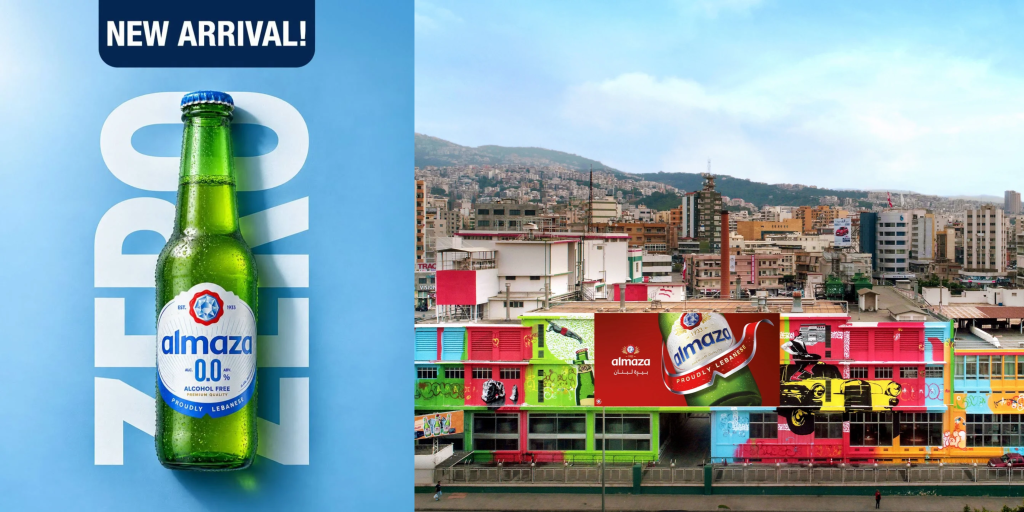
Same familiar brand, zero alcohol. With the launch of Almaza 0.0, one of Lebanon’s most recognizable beers is embracing a new approach to drinking culture. But what does this mean for the future of beer?
For generations, Almaza has been part of Lebanon’s social life. From beach gatherings and summer afternoons to restaurant tables filled with mezze, the familiar green bottle has become a recognizable part of the country’s drinking culture.
Founded in 1933, the Lebanese brewery has built its identity around more than beer. For many people, Almaza is associated with moments shared among friends, family gatherings, and the country’s hospitality traditions.
Now, more than nine decades later, the brand is introducing something different: Almaza 0.0, a beer with zero alcohol.
Unveiled at HORECA Lebanon 2026, the new product is being introduced under the message “0.0% Alcohol, 100% Almaza,” promising the familiar Almaza experience without the alcohol.
But beyond the launch itself, Almaza 0.0 reflects a bigger transformation taking place in beer culture, where the experience of enjoying a drink is becoming less dependent on its alcohol content.
A New Chapter for a Familiar Lebanese Beer
Almaza has been part of the Lebanese beverage industry since 1933, establishing itself as one of the country’s most recognizable beer brands. Over the years, its identity has become closely associated with Lebanese gatherings, food, and social occasions.
The introduction of Almaza 0.0 represents another step in the brand’s evolution, expanding its portfolio beyond conventional alcoholic beer.
The announcement was made during HORECA Lebanon 2026, held from November 10 to 13 at Seaside Arena in Beirut. Almaza presented the launch as a new chapter in its innovation journey, emphasizing the ambition to maintain the taste consumers associate with the brand while removing alcohol from the experience.
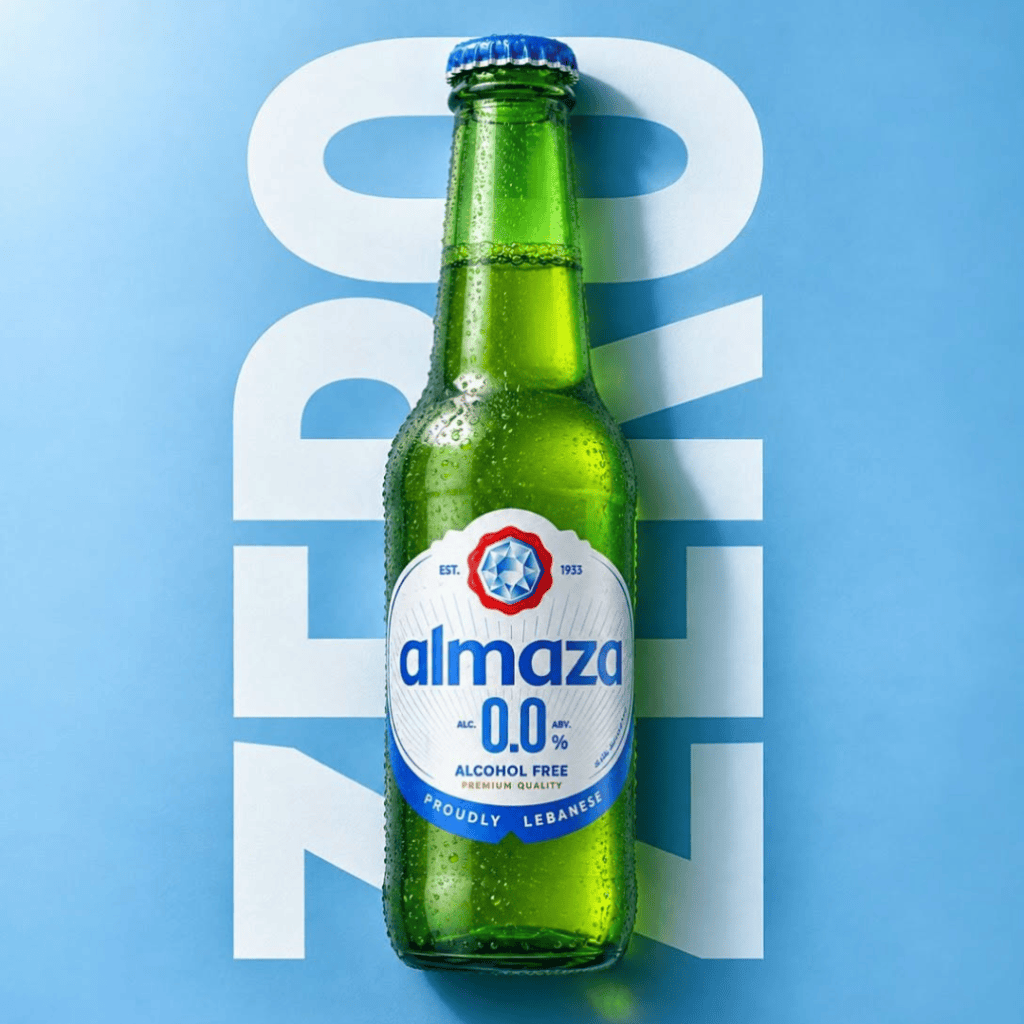
Rather than introducing an entirely unfamiliar beverage, Almaza is offering an alternative within an existing tradition: a cold beer at the table, but with a different alcohol profile.
Why Is Alcohol-Free Beer Becoming Popular?
For many years, beer was almost automatically associated with alcohol. Today, that relationship is changing as more consumers explore alternatives that allow them to enjoy familiar drinks without necessarily consuming alcohol. Some people choose alcohol-free beer because they are reducing their alcohol consumption, while others simply prefer having more options depending on the occasion. The growing interest in mindful drinking has also encouraged breweries to rethink how beer can fit into different lifestyles.
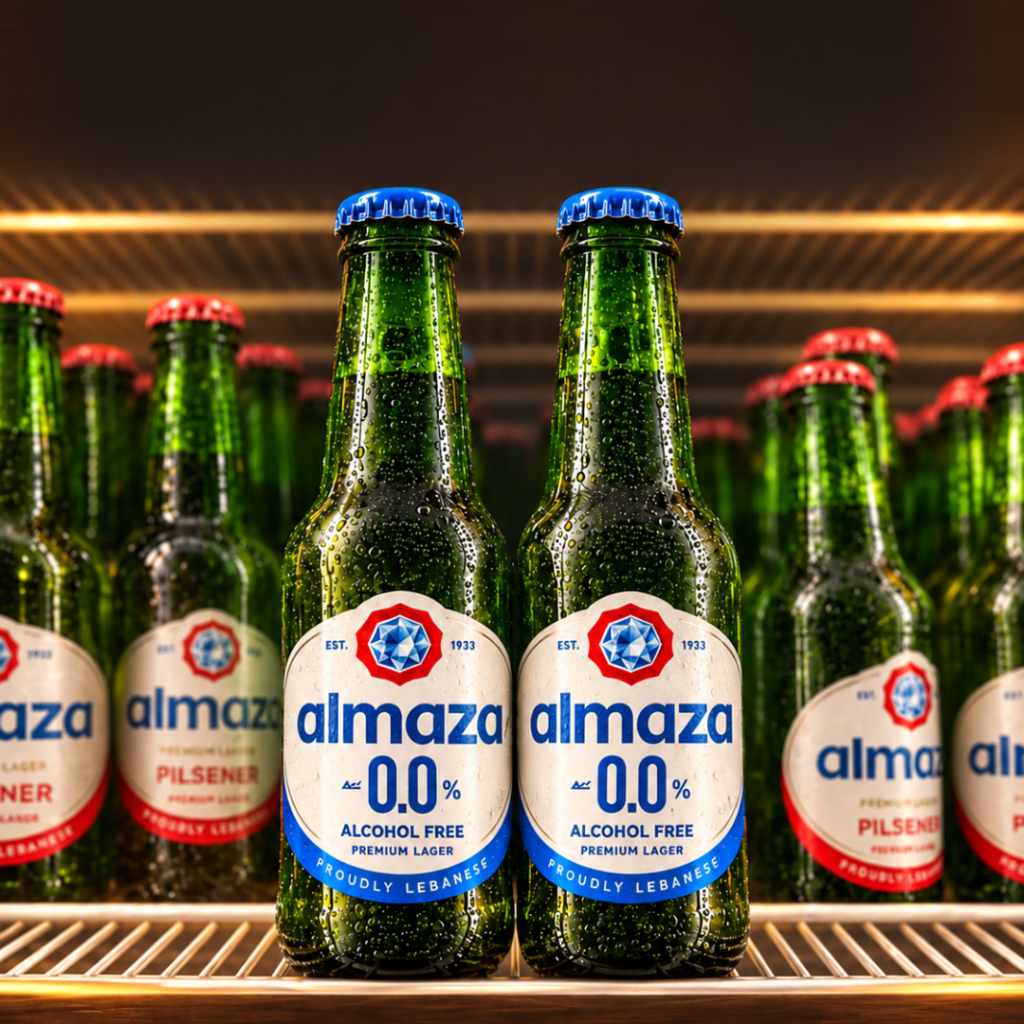
This shift is not necessarily about people abandoning beer. In many cases, it is about separating the social experience of drinking from alcohol itself.
A person may still enjoy the refreshing taste of a cold beer alongside a meal, at a gathering, or during an evening out without wanting the effects of alcohol.
For breweries, this creates an opportunity to reach consumers who enjoy beer culture but do not always want an alcoholic drink.
Almaza’s new launch brings that conversation into a distinctly Lebanese setting, where beer and food have long shared a place at the table.
How Do You Make Beer Without Alcohol?
One of the most interesting aspects of alcohol-free beer is the science behind its production.
Traditional beer is generally made using water, malted grains, hops, and yeast. During fermentation, yeast converts sugars into alcohol while also contributing to the beer’s characteristic flavors and aromas.
Producing alcohol-free beer requires a different approach.
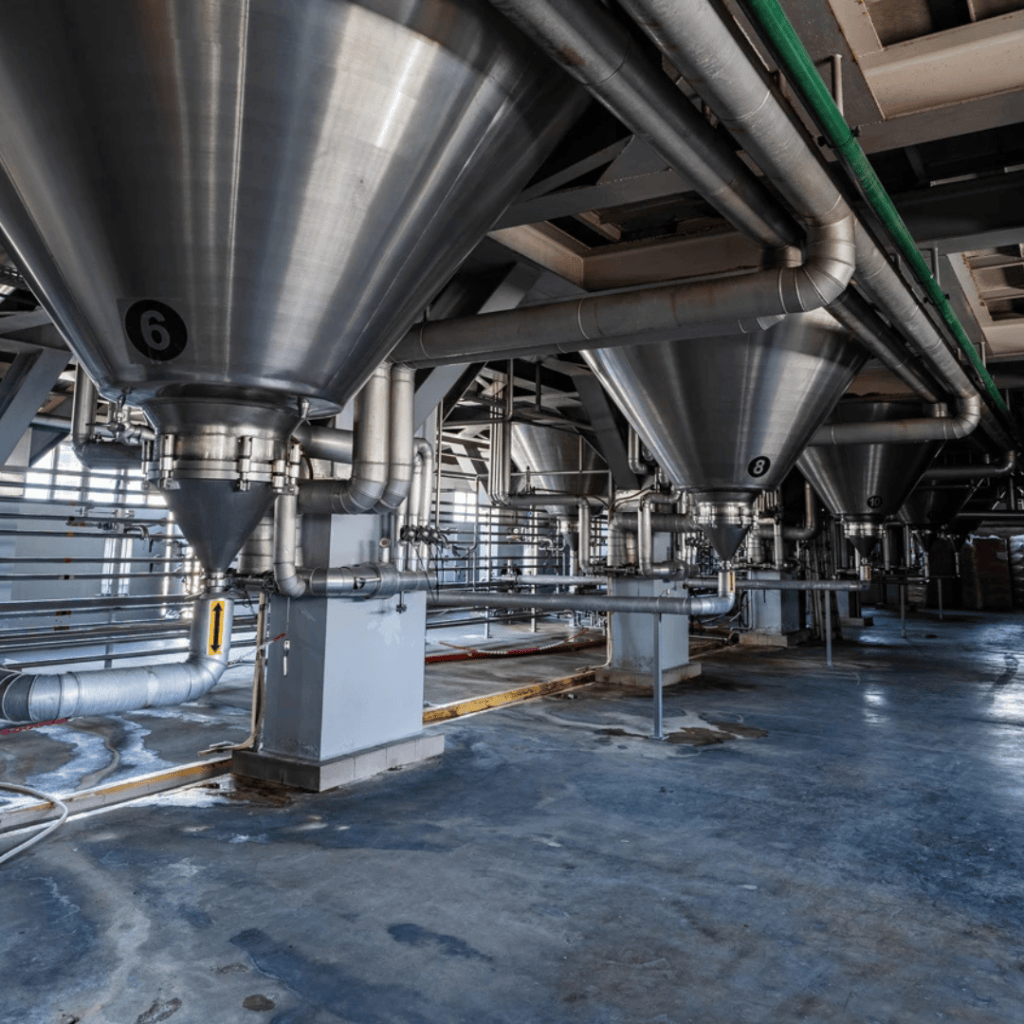
Some breweries make beer through a conventional fermentation process and then remove the alcohol using techniques such as vacuum distillation or membrane filtration. Others control or limit fermentation to prevent significant amounts of alcohol from forming in the first place.
Both approaches present challenges because alcohol is not simply an ingredient that can be removed without affecting the final product. It contributes to beer’s body, mouthfeel, and overall sensory experience
That is why developing an alcohol-free beer that resembles its alcoholic counterpart requires careful attention to the balance of malt, hops, aroma, and texture.
Almaza has not publicly detailed the specific production technique used for Almaza 0.0 in its launch announcement, but the product enters a category where preserving the familiar beer experience is one of the central challenges.
Can Alcohol-Free Beer Really Taste the Same?
Removing alcohol from beer raises an obvious question: what happens to the taste?
Alcohol contributes more than strength. It influences how certain flavors are perceived, how aromas are carried, and the overall sensation of drinking beer.
When alcohol is removed or its formation is limited, the balance of these characteristics can change. Depending on the brewing method, alcohol-free beers may have a lighter body, different aroma intensity, or a more noticeable malt character.
Modern brewing technology has helped manufacturers address some of these differences, producing increasingly sophisticated alcohol-free alternatives.
With Almaza 0.0, the company is emphasizing continuity with the familiar Almaza taste. Whether the new version closely matches the original is something consumers will ultimately determine through tasting.
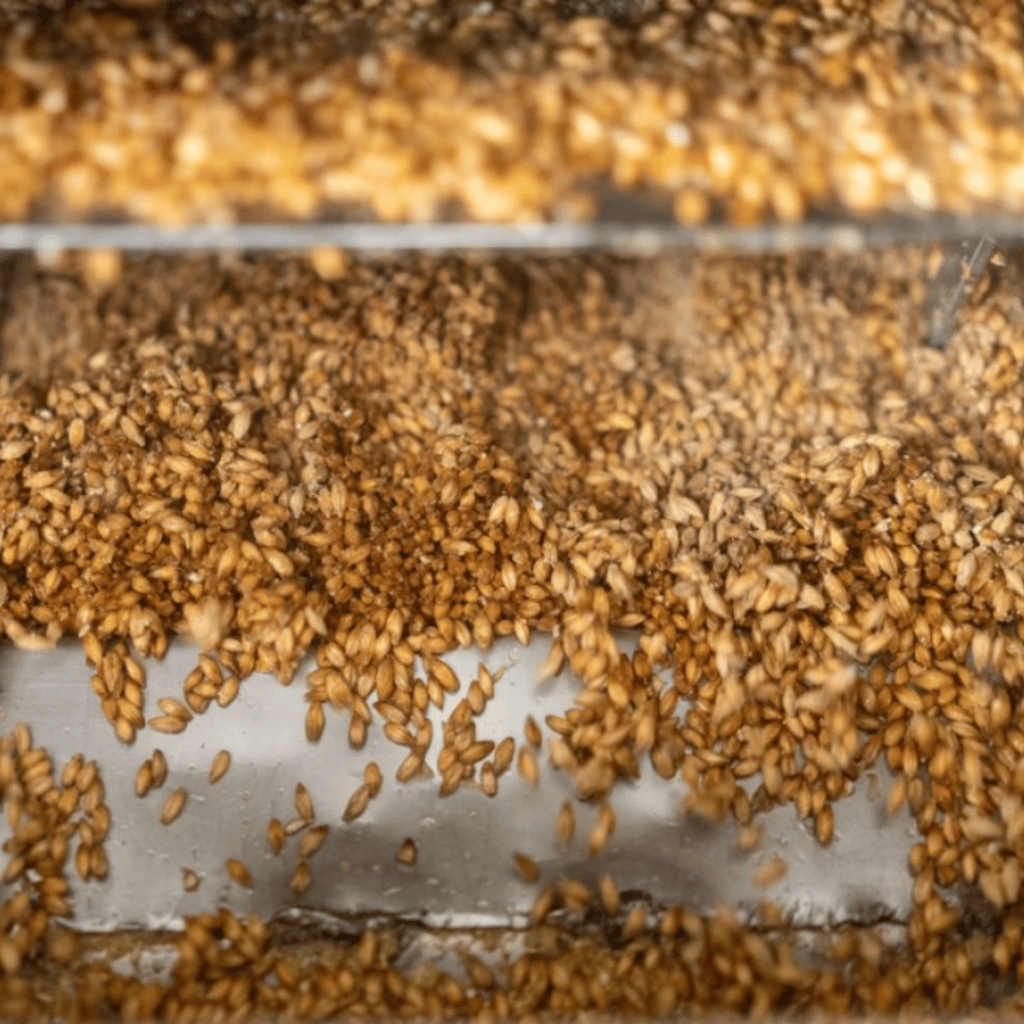
What makes the launch interesting is the ambition behind it: maintaining a recognizable beer identity while changing one of the drink’s defining characteristics.
What Almaza 0.0 Could Mean for Lebanon’s Drinking Culture
Lebanon already has a history with non-alcoholic malt beverages, including Laziza, which belongs to Brasserie Almaza’s portfolio. The introduction of Almaza 0.0 therefore does not mark the arrival of alcohol-free beverages in the country, but rather the extension of a familiar beer identity into the zero-alcohol category.
This distinction matters because a recognizable beer brand carries expectations beyond refreshment. Consumers associate it with a particular taste, appearance, and social experience.
By introducing Almaza 0.0, the brewery is offering another choice to people who want to participate in familiar social occasions without drinking alcohol.
For restaurants, pubs, and hospitality venues, products like this may also help broaden beverage menus and accommodate customers whose preferences differ from those of their friends or dining companions.
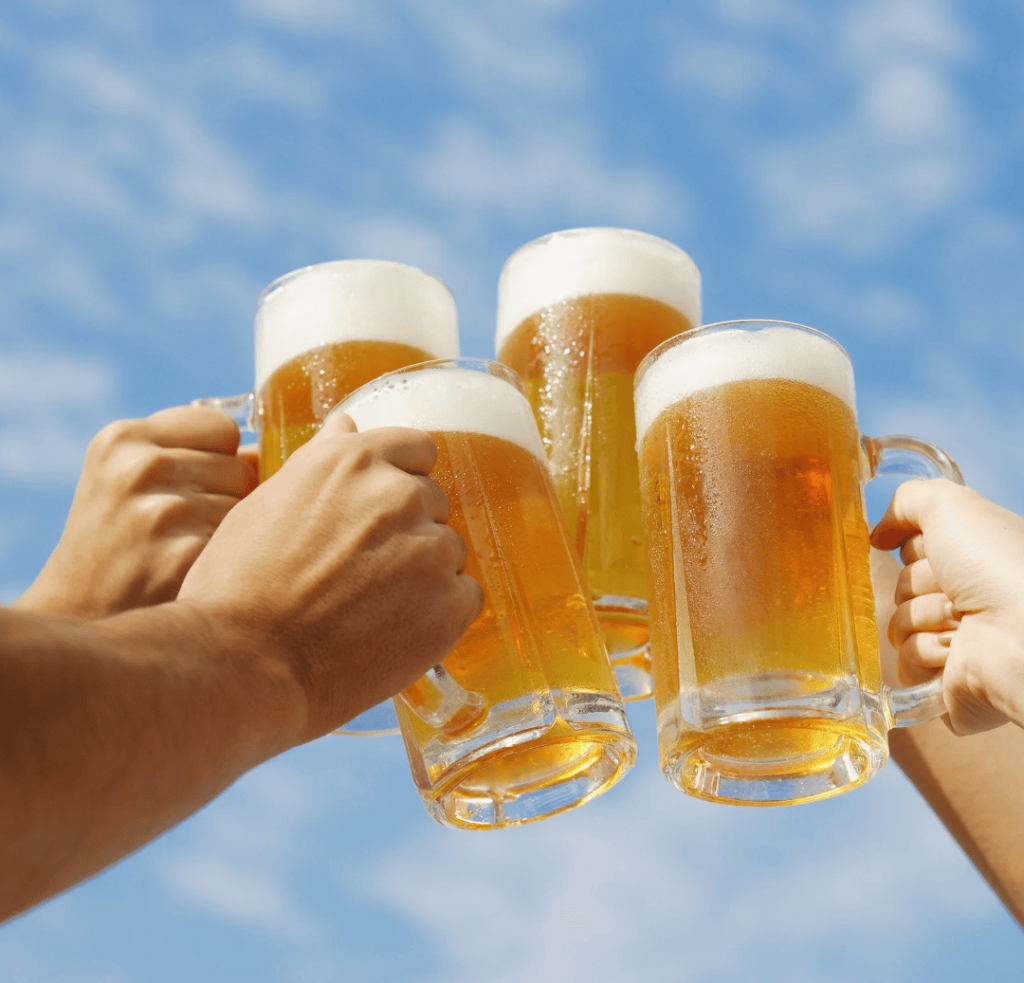
The change is not necessarily about replacing traditional beer. It is about making the beer-drinking experience accessible to a wider range of preferences and occasions.
The Future of Beer Is About More Choices
Almaza 0.0 is an interesting development because it brings a global beverage trend into one of Lebanon’s most established beer brands.
The traditional Almaza is not disappearing, and alcohol-free beer is unlikely to replace the original experience for everyone. Instead, the new product reflects a growing interest in choice: alcoholic or alcohol-free, depending on the moment and the person.
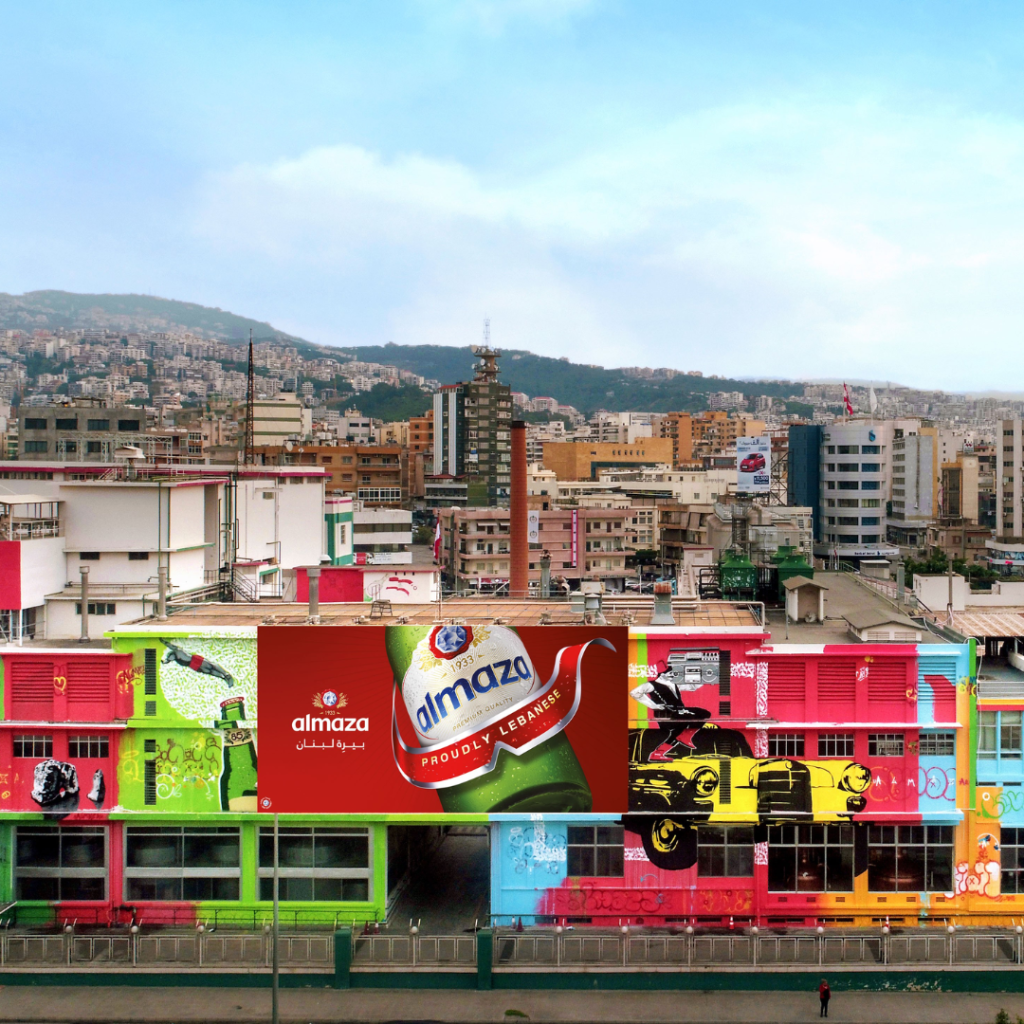
For a brand founded in 1933, introducing a zero-alcohol version shows how established names can adapt without leaving their identity behind.
The real test will be whether Almaza 0.0 can deliver the flavor and drinking experience consumers expect from the familiar brand. But one thing is already clear: the conversation around beer is evolving, and Lebanon’s most recognizable brewing names are participating in that change.
SwankyTip 🍺
Curious about alcohol-free beer? Try comparing it with its traditional counterpart. Pay attention to the aroma, malt character, bitterness, and mouthfeel. You might discover that beer has much more to offer than its alcohol content.

