Fashion has always sold more than clothing.
The strongest brands sell an identity: a particular way of dressing, travelling, decorating, socialising, and seeing the world. Increasingly, cafés, restaurants, pop-ups, and hospitality spaces are becoming another way to bring that identity to life.
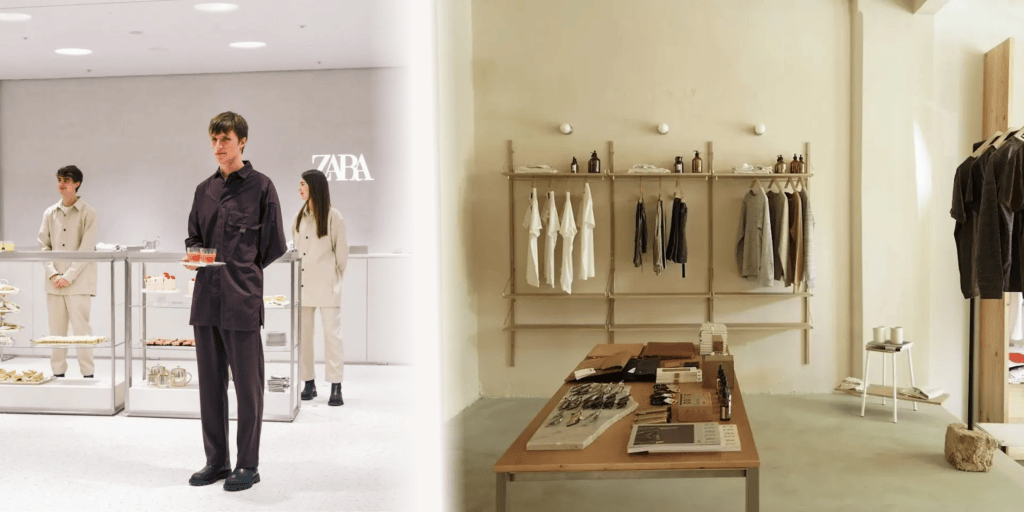
From international luxury houses developing branded dining concepts to fashion labels incorporating coffee into seasonal activations, the line between retail and hospitality is becoming less defined. The objective is no longer simply to encourage customers to buy a product. It is to create a physical environment where they can spend time with the brand.
Coffee, perhaps unexpectedly, has become one of the most effective ways to do it.
From Product to Experience
Traditional fashion retail is built around a relatively short interaction. A customer enters a store, looks through a collection, perhaps tries something on, makes a purchase, and leaves.
Hospitality changes that relationship.
A café or restaurant gives customers a reason to remain inside the brand’s world for considerably longer.
Architecture, furniture, tableware, music, menus, lighting, service, and presentation can all communicate the same identity previously expressed mainly through clothing and advertising.
For fashion companies, this shift reflects a wider move toward experiential luxury.
Vogue Business has noted the growing use of gastronomy and hospitality experiences by fashion brands as a way of building deeper emotional connections with customers beyond the traditional retail environment.
The result is something closer to a three-dimensional expression of the brand. Instead of simply seeing its visual identity in a campaign, customers can spend an afternoon inside it.
Coffee Creates a Different Entry Point Into Luxury
Hospitality also gives fashion brands access to a much wider audience.
A customer may admire a luxury label without regularly purchasing its clothes, handbags, or accessories. A coffee, lunch, or dessert offers a much more accessible way to participate in that world without changing the positioning of the core fashion product.
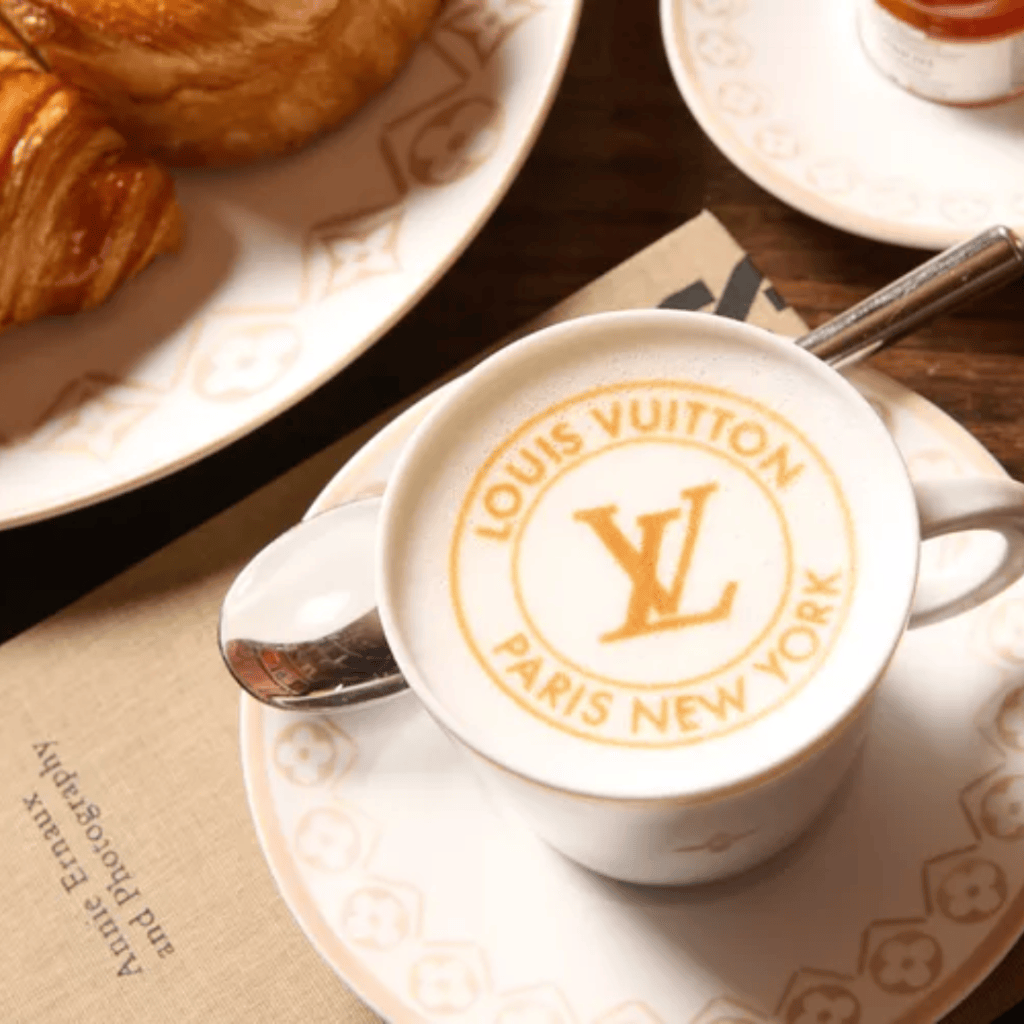
That creates an interesting relationship between exclusivity and accessibility. The fashion may remain aspirational, while the hospitality experience allows more people to engage with the brand.
More importantly, time spent in these spaces creates a form of interaction traditional advertising cannot easily reproduce. A guest might meet a friend, photograph the space, share the experience online, return later, or simply associate the brand with a particular memory.
Hospitality therefore becomes both an experience and a communication tool. In some cases, the commercial effect can be measurable: Vogue Business reported that a 2026 Ami Paris hospitality activation with New York’s Balthazar increased foot traffic to the nearby store and generated substantial social-media engagement.
Lebanon Has Its Own Version of the Trend
Lebanon offers an interesting perspective because the relationship between fashion and lifestyle is not entirely new here.
Aïshti has spent decades expanding its identity beyond traditional fashion retail. The company describes its development into home furnishings, publishing, restaurants, spas, and contemporary art as part of a broader brand evolution,
while Aïshti by the Sea was designed specifically as a destination bringing together fashion, food, wellness, architecture, and art.
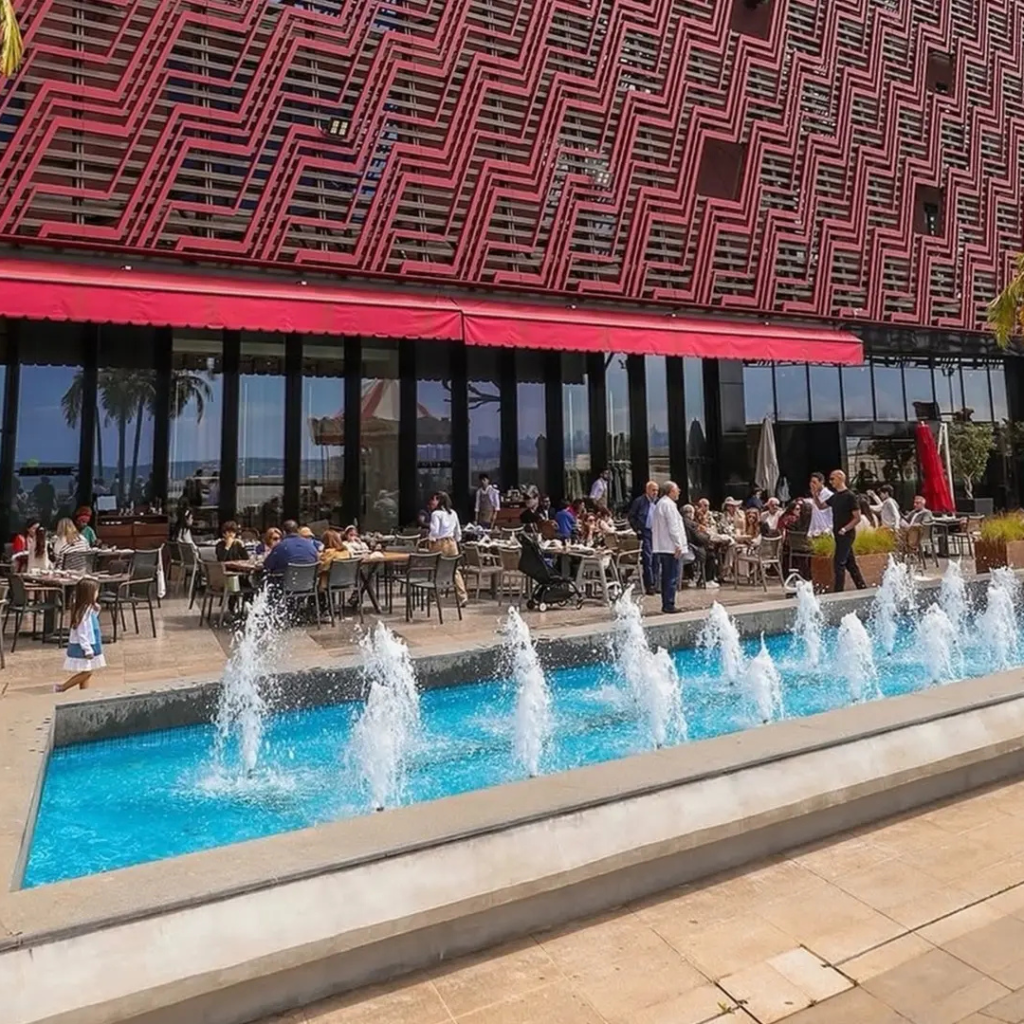
Within the same environment, Art People functions as a restaurant integrated into the wider Aïshti by the Sea experience, surrounded by fashion boutiques, architecture, and contemporary artworks. The result is less like visiting a department store and more like entering a complete lifestyle destination.
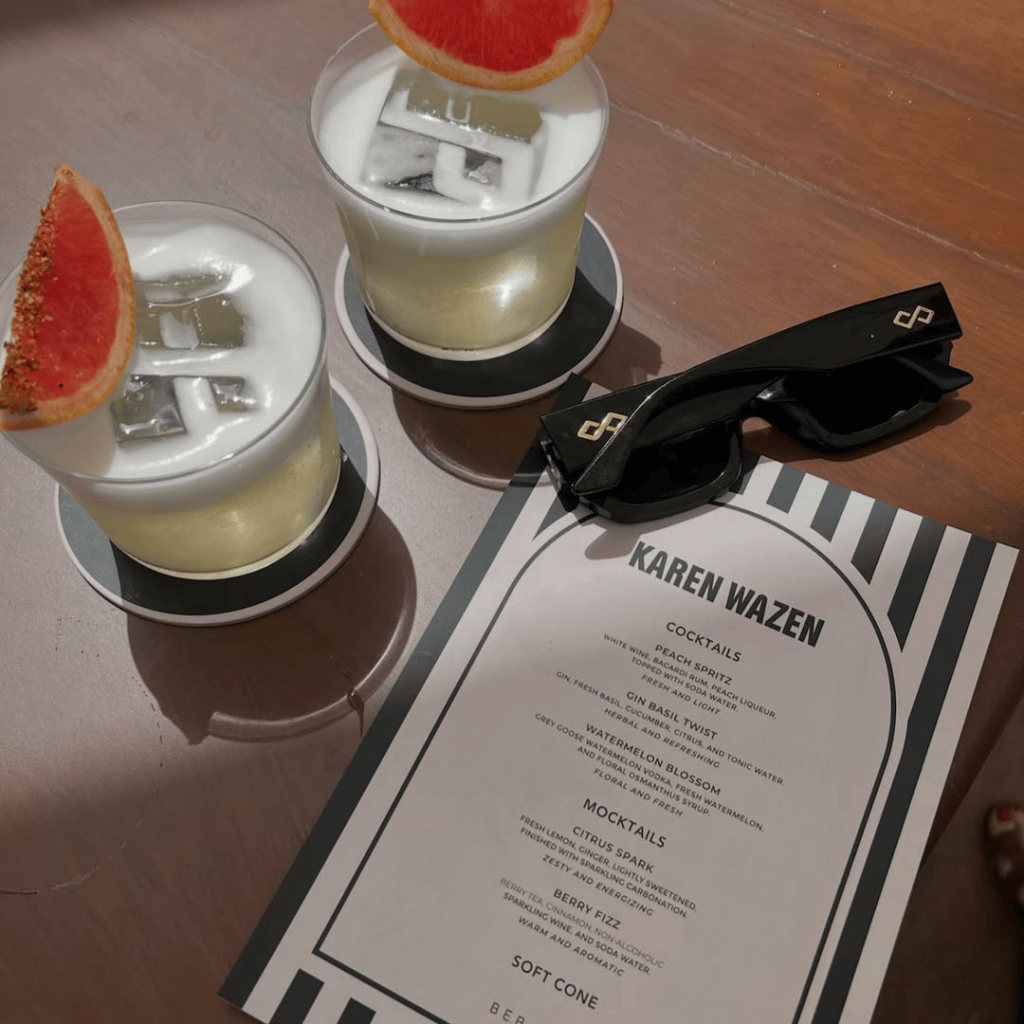
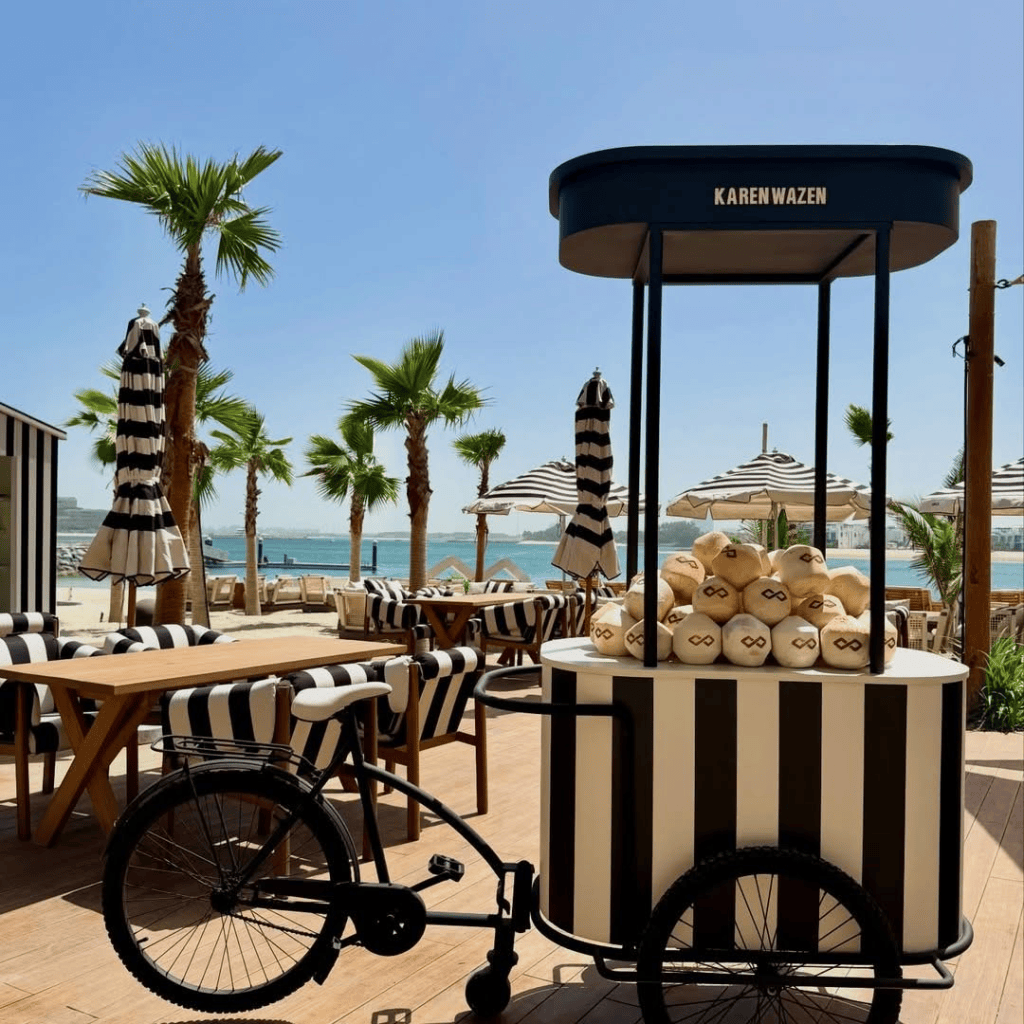
Karen Wazen has approached the idea through temporary experiences. Her 2026 summer pop-up at Faqra Club combined eyewear and branded merchandise with iced coffee, allowing visitors to interact with the label in a relaxed setting rather than through a conventional store alone.
Another recent example is Eleventy Café, announced for Downtown Beirut in 2026 as a space combining the Italian luxury fashion brand’s aesthetic with coffee and food.
And Beirut has seen the concept before. Roberto Cavalli opened Cavalli Caffè in the city in 2013, translating his recognizable maximalist fashion language into interiors, food, coffee, and hospitality. The venue eventually closed in 2016, but it remains an early local example of a fashion identity becoming a physical dining environment.
The Café Becomes Part of the Brand Language
The most convincing fashion hospitality concepts are not simply cafés with a logo placed on the cup. They behave like extensions of the brand itself.
A minimalist label might create a restrained architectural space. A more theatrical fashion house might use bold interiors, distinctive tableware, and elaborate presentation. A younger brand may build the experience around merchandise, limited-edition drinks, music, or seasonal pop-ups. The important element is consistency.
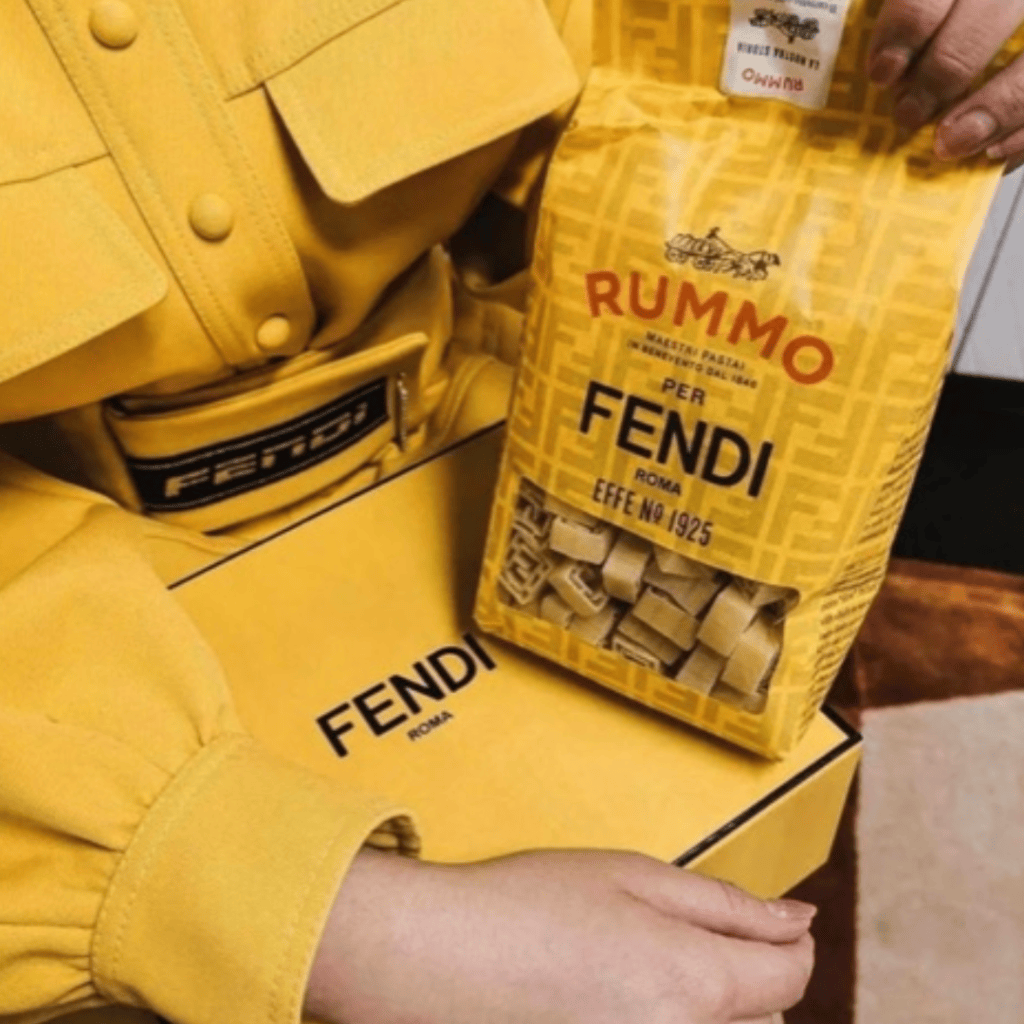
When the space reflects the same identity as the fashion, hospitality becomes another form of storytelling.
Customers begin to recognize the brand not only through what it produces but through how its spaces look, sound, taste, and feel.
That is also what makes these places naturally attractive to social media. A well-designed coffee cup, table, dessert, or interior becomes something customers want to photograph voluntarily.
In that moment, hospitality and marketing begin to overlap.
Fashion Is Expanding Beyond the Wardrobe
The growth of branded cafés is ultimately part of a larger transformation in luxury.
Fashion companies increasingly want relationships with customers that extend beyond the moment of purchase. Restaurants, cafés, hotels, wellness experiences, art, and travel allow them to participate in more parts of everyday life.
But that expansion only works when the hospitality experience feels credible.
A café cannot rely indefinitely on a famous logo if the coffee, food, service, or atmosphere fails to deliver. The strongest concepts succeed because the hospitality experience can stand on its own while still reinforcing the identity of the fashion brand behind it. That may be the real opportunity.
Fashion once concentrated on what customers wore.
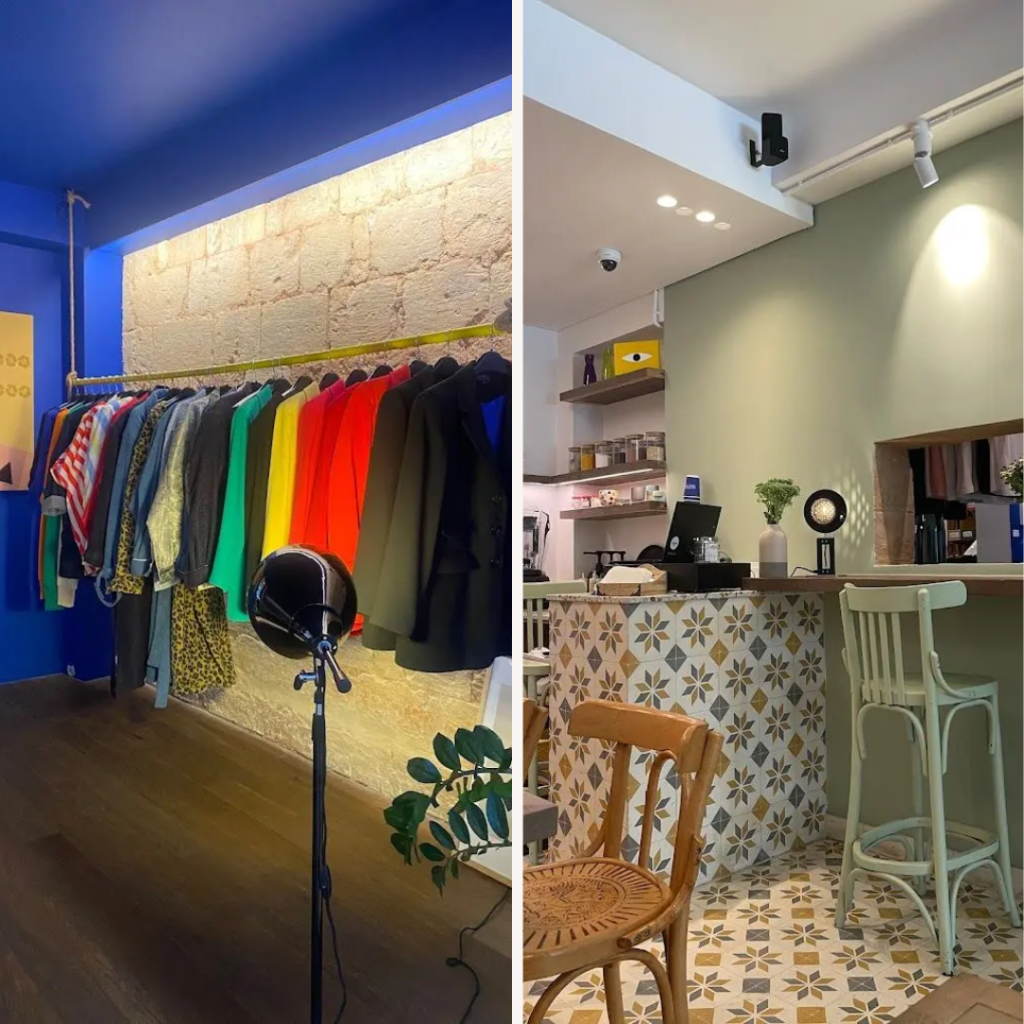
Today, the ambition is broader: to influence where they meet, what they drink, how they spend an afternoon, and what kind of environment they want to be associated with.
The runway is no longer the end of the brand experience. Increasingly, it is only the beginning.
Swanky Tip ☕
Next time you visit a fashion café, look beyond the logo. The real brand experience is in the details, the furniture, music, menu, packaging, service, and even the way the coffee is presented.

