
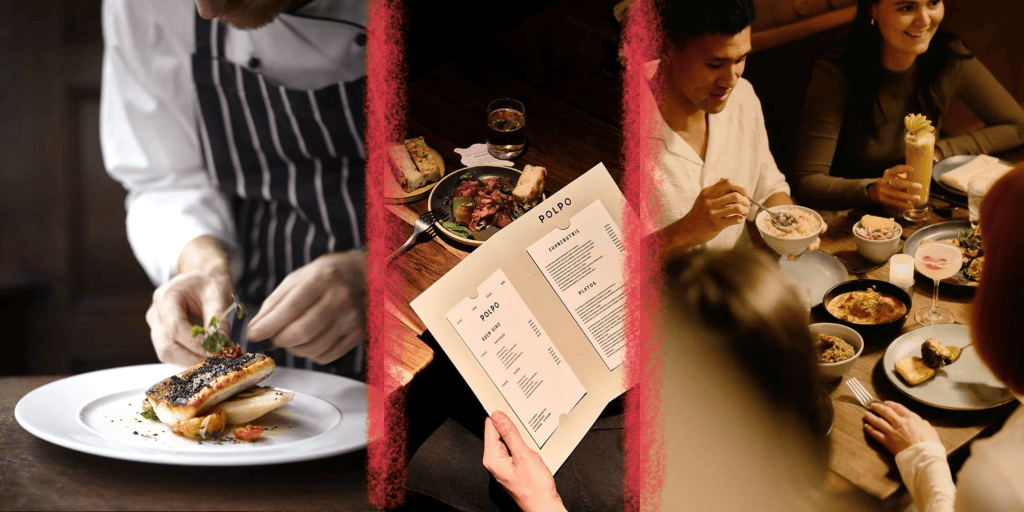
For years, fine dining represented the peak of restaurant culture.
Formal service. Multi-course menus. White tablecloths. Carefully curated wine lists. A meal designed to last.
That experience still matters. But diners are changing.
Today, many people are looking for restaurants that are easier to visit, easier to afford, faster to understand, and more flexible in how they fit into everyday life.
At the same time, restaurants themselves are facing higher operating costs, tighter margins, and customers who are becoming more selective about where they spend. That combination helps explain why casual and fast-casual concepts keep multiplying while traditional fine-dining restaurants face a more difficult environment.
Dining Habits Have Changed
Restaurants are no longer competing only with other restaurants. They are competing with delivery, takeaway, cafés, bakeries, food halls, home cooking, and increasingly sophisticated casual concepts.
Consumers still want to dine out, but recent industry research shows they are becoming more intentional about when they do it and how much they spend. Affordability, convenience, and the perceived value of the experience are playing a larger role in those decisions.
A formal three-hour dinner may still be attractive for a celebration.
But for an ordinary weekday?
Many diners want something simpler.
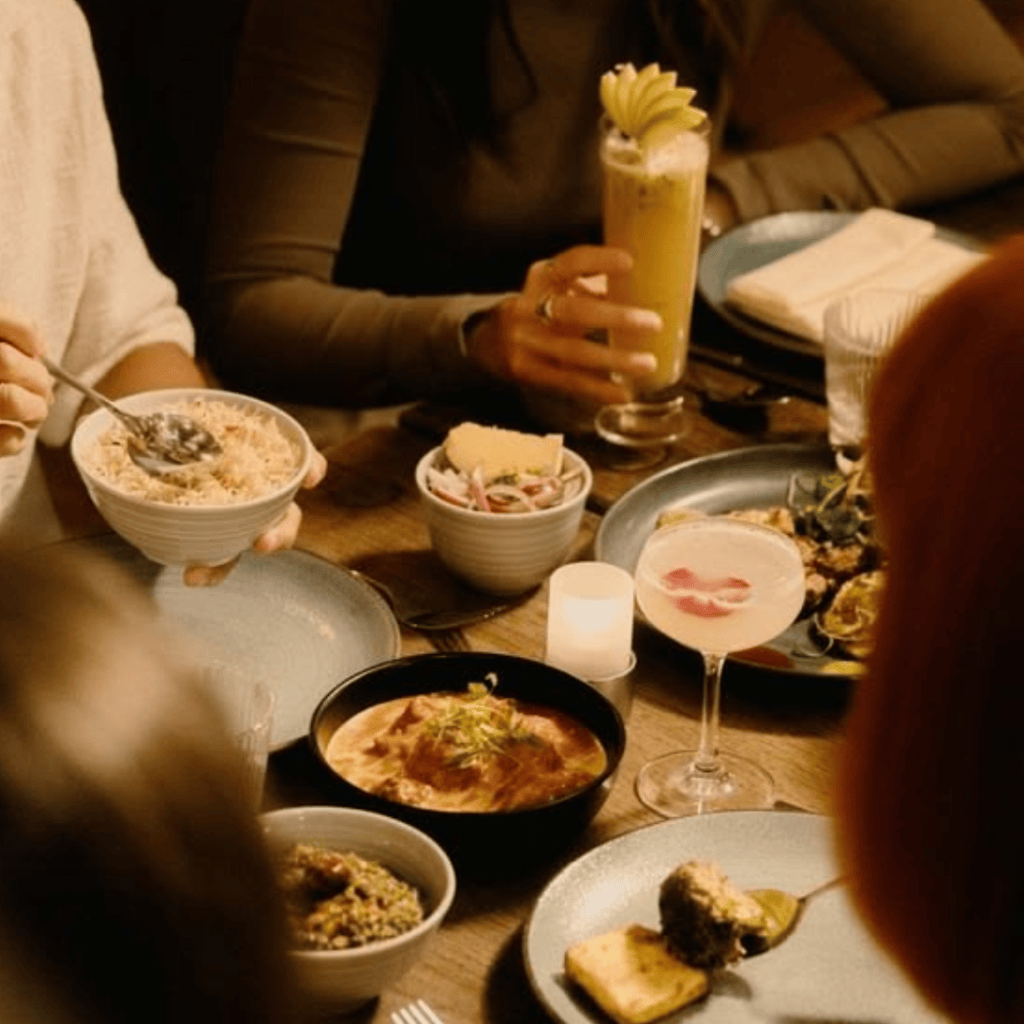
A good meal. A comfortable room. Good service. And the freedom to leave when they want.
Affordability Matters More Than Ever
One of the biggest pressures is price.
Restaurant costs have risen significantly over the past several years, particularly in areas such as food, labor, utilities, and rent. The National Restaurant Association reported in 2026 that total restaurant expenses had risen sharply compared with pre-pandemic levels, continuing to put pressure on profitability.
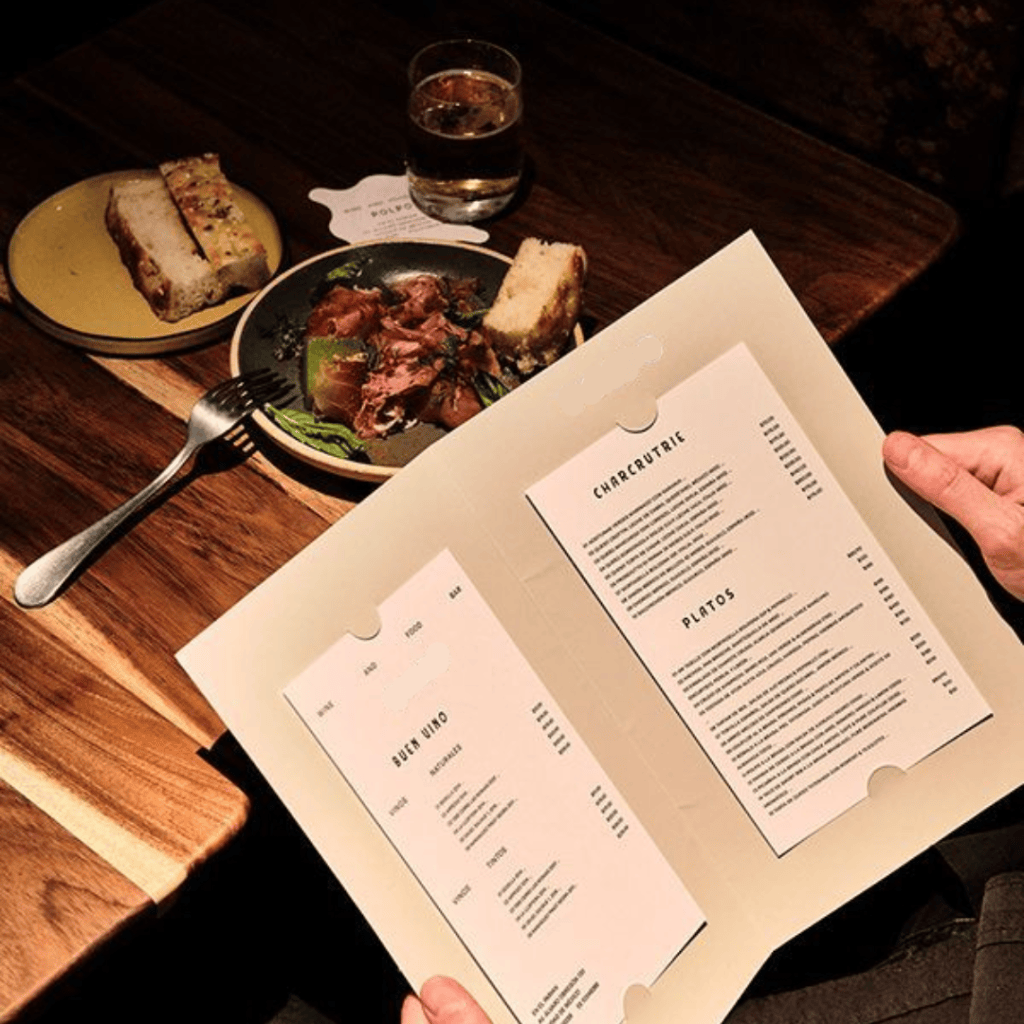
The problem is that restaurants cannot simply pass every increase on to the customer. Diners are already becoming more cautious.
Recent consumer research found that many people are cutting back on how often they eat out, how much they order, or both.
Fine dining feels this pressure particularly strongly because the experience often comes with a higher starting price.
Once the bill rises, expectations rise with it. The food has to be exceptional. The service has to feel polished. The room has to feel special. The entire evening has to justify the cost. Casual concepts have more room to compete on value.
Casual No Longer Means Simple.
There was a time when “casual” often meant basic. That is no longer true.
Today, a small neighborhood restaurant can serve serious food without formal service. A chef-driven concept can work with excellent ingredients while keeping the menu short. A counter-service restaurant can have a strong identity, beautiful design, and food people travel across the city to try.
The old connection between formality and quality has weakened.
Customers increasingly understand that a great dining experience does not necessarily require white tablecloths, multiple servers, or a long tasting menu.
That shift has created space for restaurants that feel sophisticated without feeling formal. And for many diners, that is exactly the balance they want.
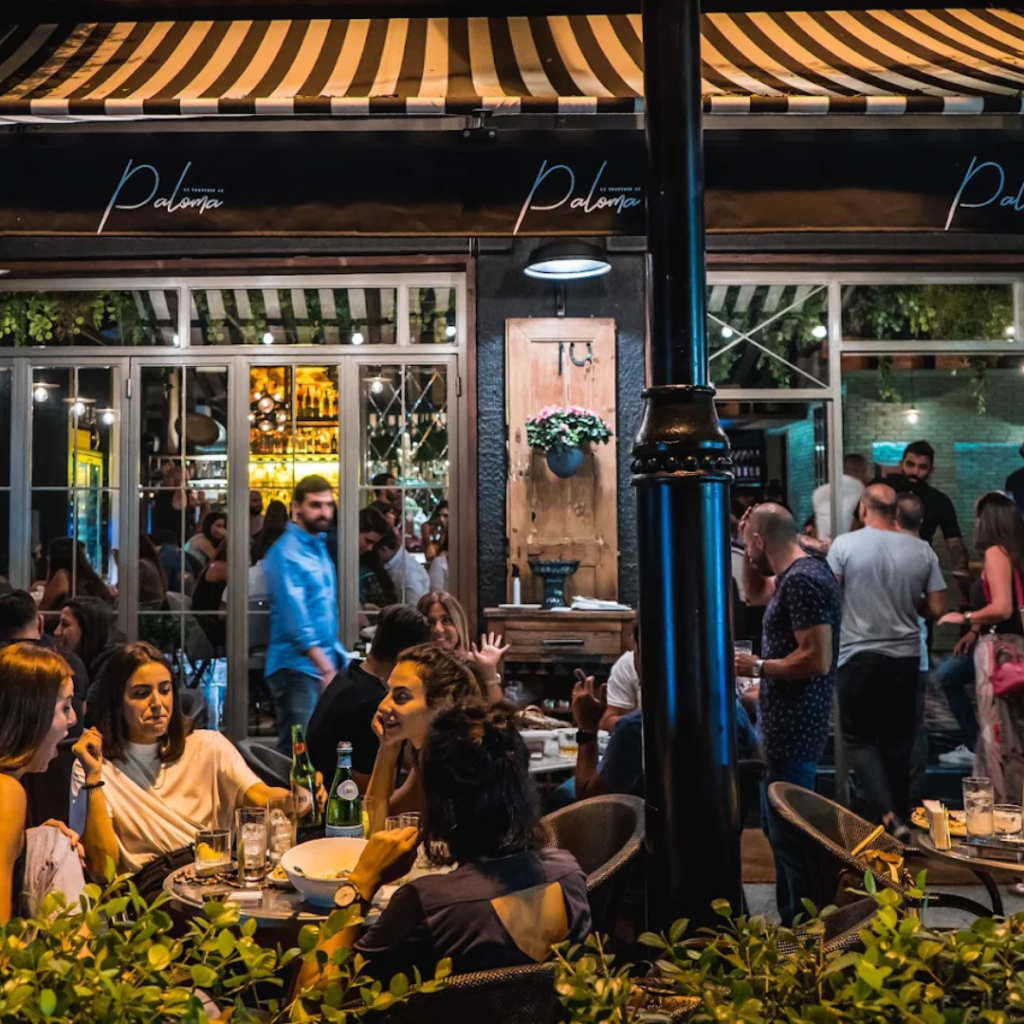
Speed, Delivery and Flexibility Changed the Model
Convenience is now part of the restaurant experience.
Customers may want to reserve online, eat quickly, order takeaway, pick up food on the way home, or have dinner delivered.
Research in 2026 shows that convenience remains a major driver of restaurant choice, while pickup has grown as customers look for ways to keep convenience without paying the full cost associated with delivery.
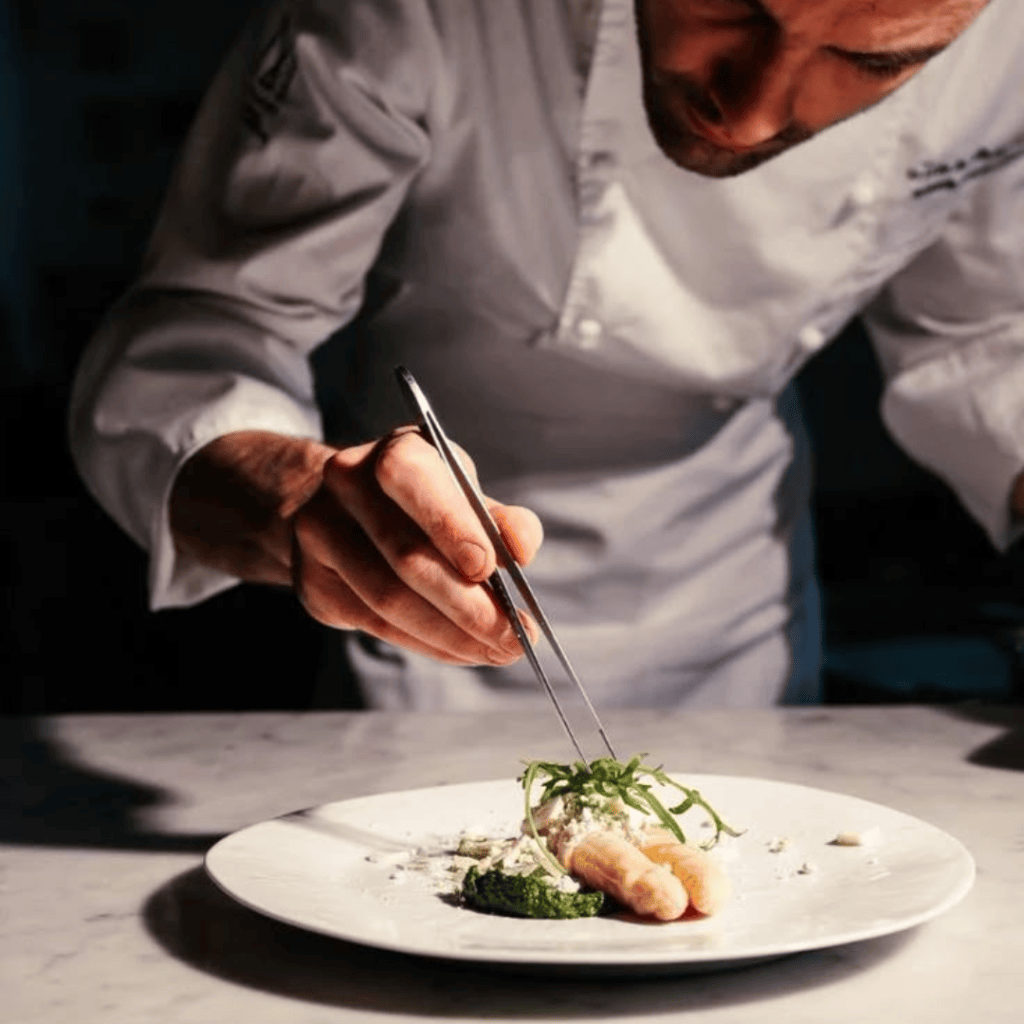
Casual concepts often adapt more naturally to this behavior. Their food may travel better. Menus may be easier to package. Service can be faster.
The restaurant can serve lunch, dinner, takeaway, delivery, and walk-ins without completely changing how the operation works.
Traditional fine dining was built around something very different: the experience happens in the room.
That makes it harder to translate into the faster, more flexible way many people now eat.
Fine Dining Is Not Disappearing – But It Has to Mean More
Fine dining still offers elements that casual restaurants cannot always reproduce, including a high level of attention to detail, highly trained service, complex culinary techniques, carefully developed wine programs, distinctive atmosphere, and a sense of ceremony that makes dinner itself feel like the occasion.
That experience continues to have value, but as dining out becomes more expensive and customers become more selective about where they spend, fine dining may increasingly be reserved for celebrations, special occasions, travel, or moments when guests are looking for something beyond an everyday meal.
The challenge, therefore, is no longer simply to be formal. Fine dining has to be memorable.
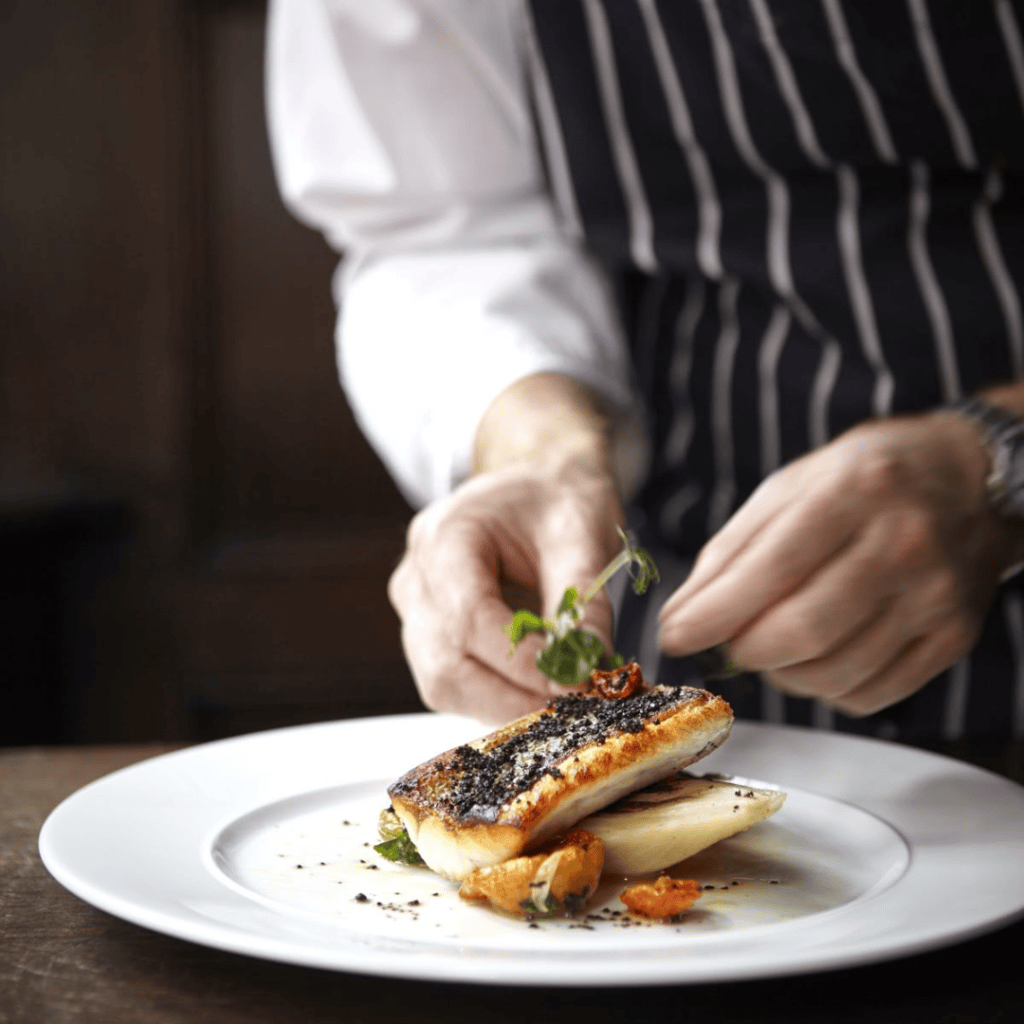
Diners today have more options than ever: they can choose convenience, affordability, faster service, or casual restaurants serving ambitious food at a very high level.
When they choose fine dining, the restaurant has to offer something those alternatives cannot easily provide. That may help explain why casual concepts continue to multiply while traditional fine dining faces greater pressure. People have not stopped caring about quality or exceptional food; they have simply become less convinced that quality must always come with formality.
Swanky Tip 🍽️
Don’t confuse formality with quality. A memorable dining experience comes from how well the food, service, atmosphere, and value work together — whether the restaurant has white tablecloths or none at all.

