
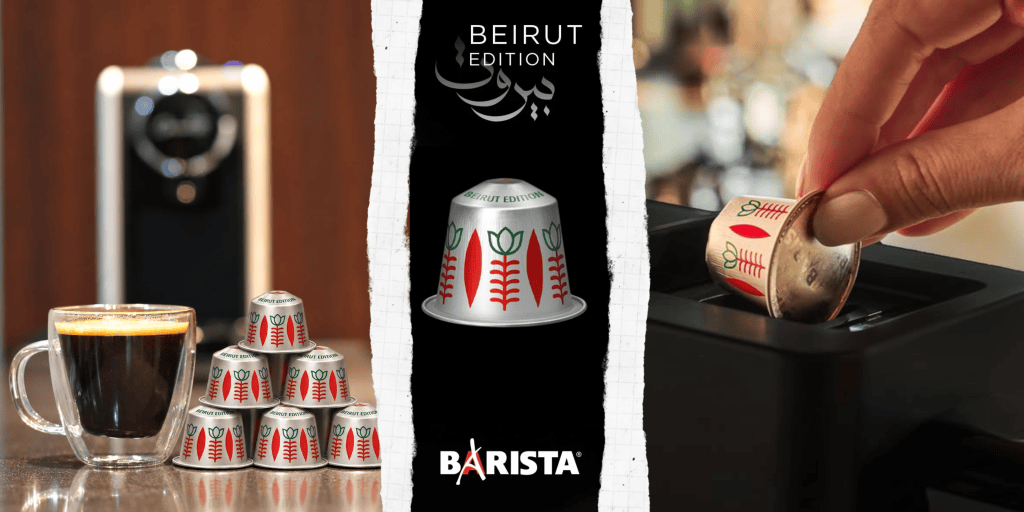
Can the familiar taste of Lebanese coffee find a new home inside an espresso capsule? Barista’s latest launch brings tradition and convenience together, raising an interesting question about how coffee culture continues to evolve.
In Lebanon, coffee has always been more than something to drink. It is a reason to gather, a gesture of hospitality, and a familiar presence in everyday life. From the morning coffee prepared at home to the small cups served after lunch or during a family visit, Lebanese coffee carries traditions that have been passed down through generations.
But coffee habits are changing. Espresso machines have become part of modern homes and offices, while capsules offer a quicker way to prepare a cup without sacrificing the daily ritual.
Now, Lebanese coffee brand Barista is bringing those two worlds closer together with the launch of Beirut Edition, an espresso capsule inspired by the familiar taste of Lebanese coffee.
A Lebanese Taste in an Italian-Style Espresso
Announced on October 23, 2026, Beirut Edition is the latest addition to Barista’s espresso collection. Rather than recreating traditional Lebanese coffee in its original form, the company has developed a blend that combines the richness and intensity of espresso with a subtle Lebanese coffee-inspired flavor.
The idea is to offer something recognizable in an unexpected format: an espresso that carries a hint of a taste deeply connected to Lebanese identity.
Founded in 1999, Barista has built its reputation around Italian-style espresso, introducing different blends and convenient coffee formats to consumers in Lebanon.
With Beirut Edition, however, the inspiration comes from much closer to home.
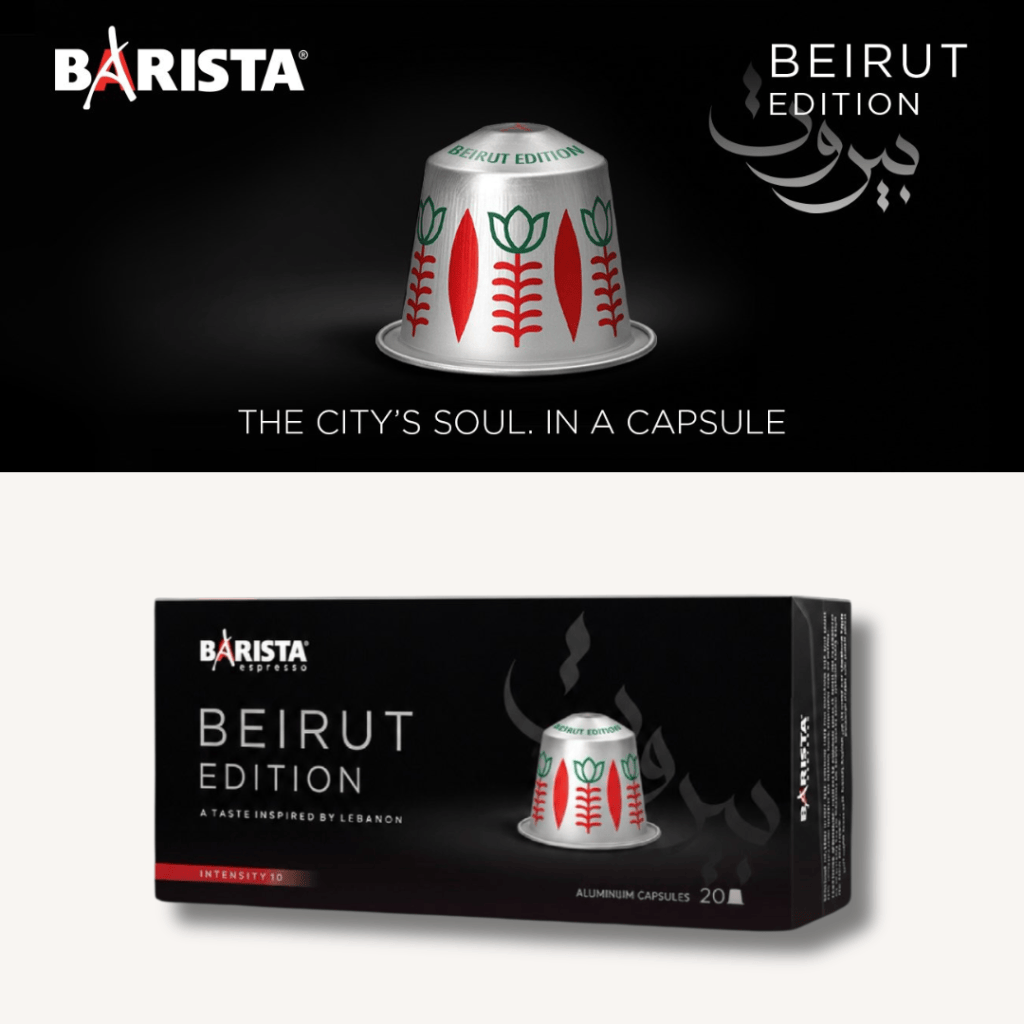
The product is named after the Lebanese capital, a city where traditional coffee shops, neighborhood gatherings, and modern specialty cafés coexist. That combination of old and new is reflected in the concept behind the capsule.
Why Lebanese Coffee Is More Than Just a Flavor
To understand the idea behind Beirut Edition, it helps to look at what makes Lebanese coffee distinctive.
Traditionally prepared in a small pot known as a rakwa, Lebanese coffee is made using finely ground coffee heated with water, with sugar and cardamom added according to preference. Unlike espresso, which relies on pressure to extract coffee quickly, traditional Lebanese coffee is prepared without filtering out the grounds.
The result is a different texture, preparation method, and drinking experience. Yet the importance of Lebanese coffee extends beyond how it is made.
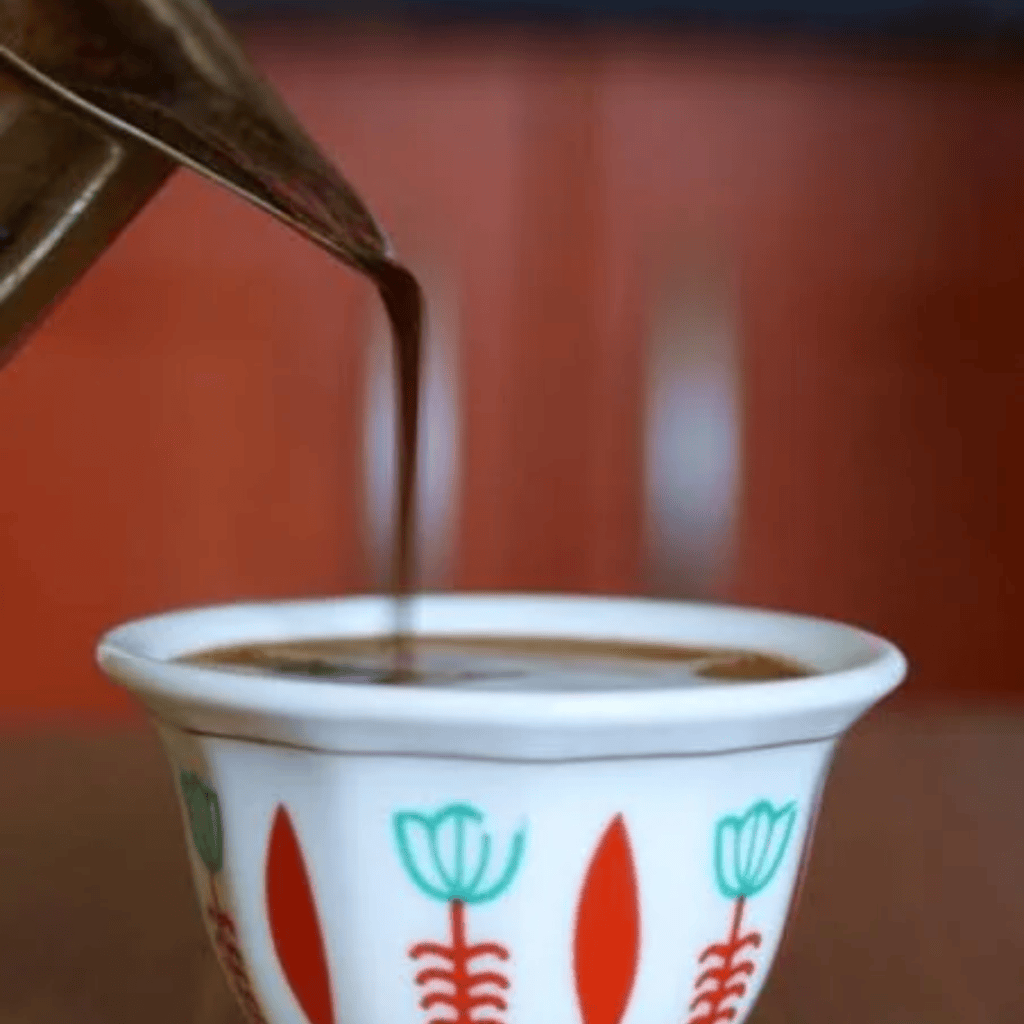
It is often associated with family visits, morning conversations, hospitality, and the familiar sound of cups being placed on a table. For many Lebanese, its aroma alone can bring back memories of home.
These associations are part of what makes Beirut Edition an interesting product. Barista is not simply introducing another espresso blend; it is drawing inspiration from a coffee tradition with emotional and cultural significance
When Tradition Meets Convenience
Coffee innovation does not always mean creating an entirely new flavor or brewing technique. Sometimes, it means taking something familiar and introducing it to a different generation of consumers. Coffee capsules are designed around convenience, consistency, and speed. They allow people to prepare espresso in seconds, without grinding beans or measuring coffee.
Traditional Lebanese coffee, on the other hand, involves a preparation process that is often part of the experience itself.
Bringing a Lebanese coffee-inspired taste into a capsule therefore represents a meeting of two different approaches to coffee. One emphasizes the preparation ritual, while the other focuses on convenience.
Beirut Edition does not replace the traditional rakwa, nor does it need to. Instead, it offers another way for consumers to experience a flavor associated with Lebanese coffee culture.
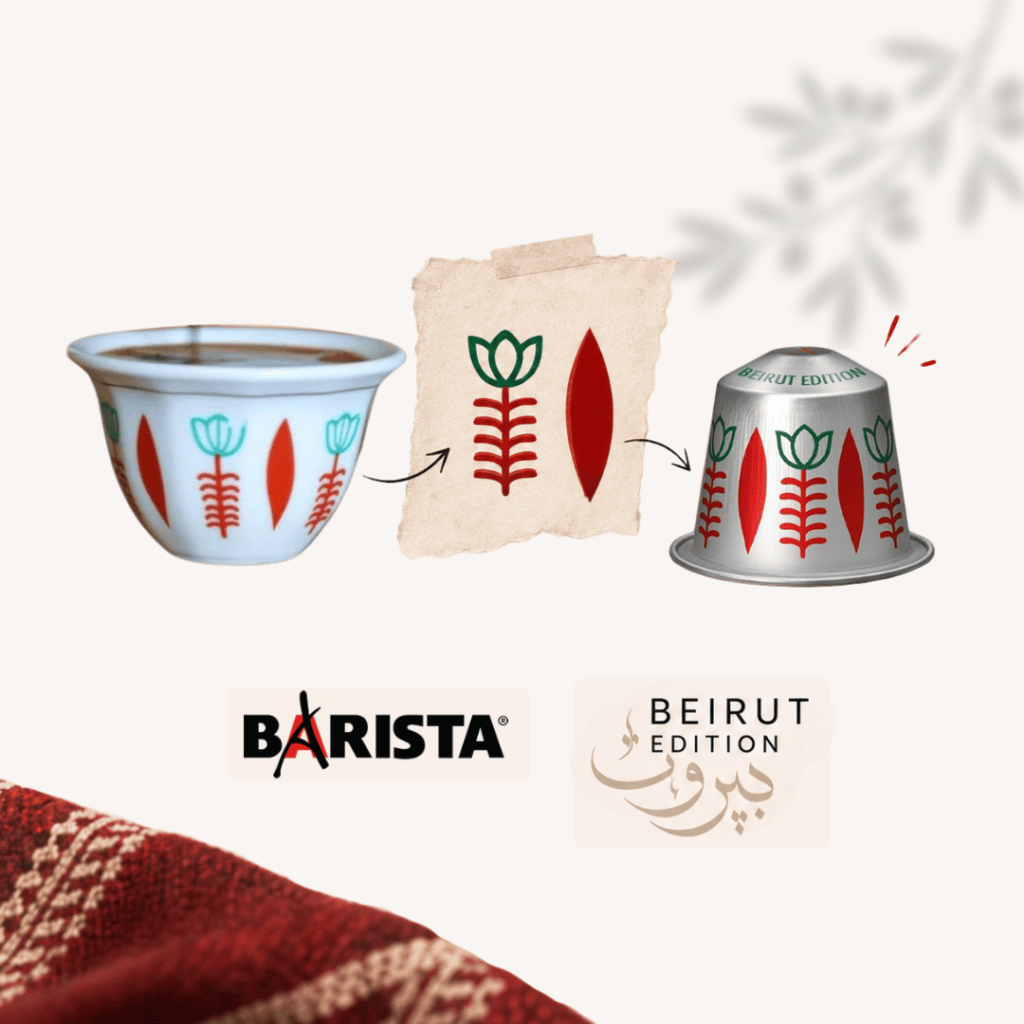
It also opens the door to an interesting possibility: familiar regional tastes can inspire modern coffee products without abandoning their cultural roots.
Can an Espresso Capsule Really Capture Lebanese Coffee?
This is perhaps the most interesting question surrounding Beirut Edition.
Lebanese coffee and espresso differ in more than taste. Their brewing methods, textures, aromas, and serving traditions create distinct experiences. An espresso capsule may reproduce certain flavor notes associated with Lebanese coffee, but it cannot recreate every element of the traditional preparation.
Barista describes Beirut Edition as having a subtle Lebanese coffee touch rather than being a direct replacement for the original drink. That distinction matters.
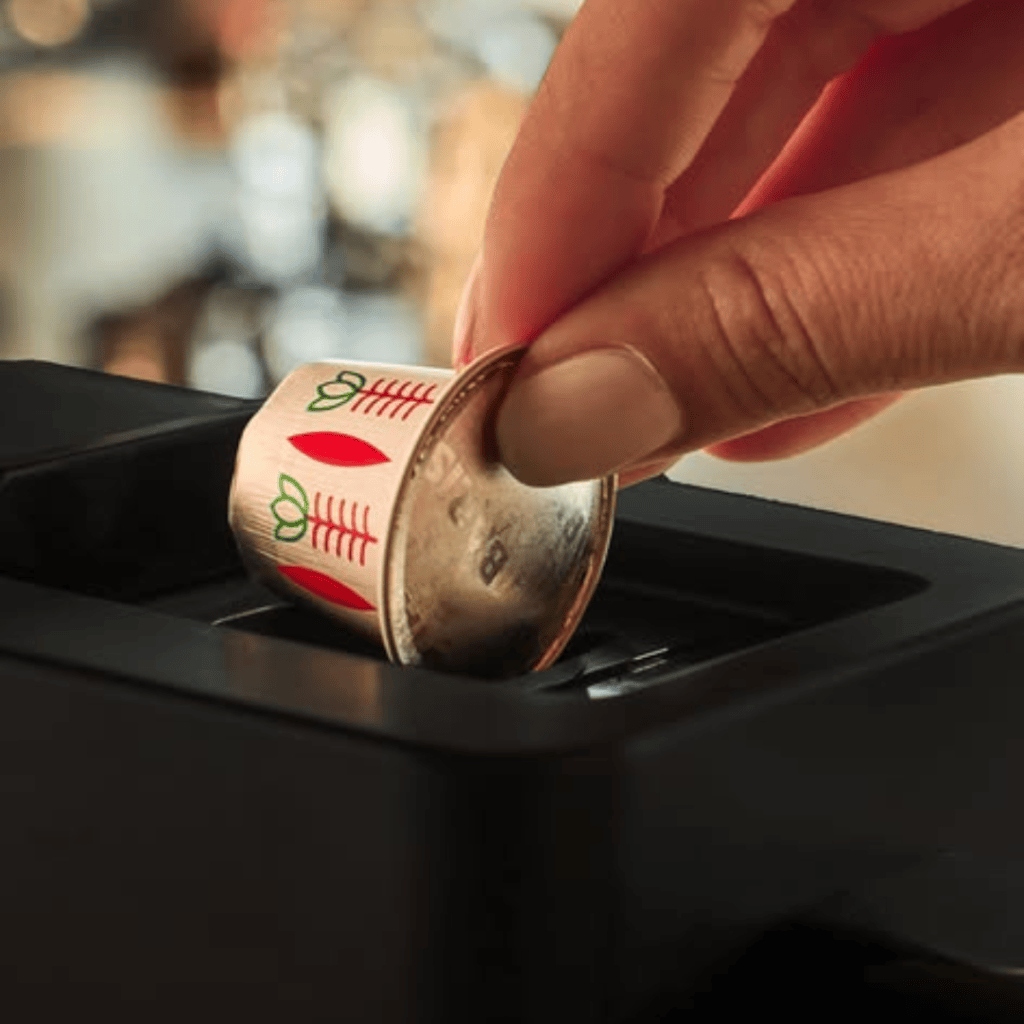
The capsule’s real appeal may lie in offering a new interpretation of a familiar flavor rather than attempting to reproduce an entire coffee tradition. Barista has previously offered cardamom-flavored espresso capsules, making it particularly interesting to see how Beirut Edition distinguishes itself through its blend and flavor profile.
For now, the precise characteristics of the new blend, and how closely they resemble traditional Lebanese coffee, are questions best answered through a tasting.
A Small Capsule With a Bigger Cultural Story
Beirut Edition arrives at a time when coffee culture in Lebanon continues to evolve. Traditional coffee remains an important part of everyday life, while espresso bars, specialty cafés, and home brewing equipment have expanded the ways people consume coffee.
Rather than seeing these traditions as competing with one another, products such as Beirut Edition suggest they can influence each other.
For some drinkers, the capsule may offer a familiar taste in a more convenient form. For others, it may introduce a coffee tradition they have never experienced. And while the product’s reception will ultimately depend on its taste, its concept offers something worth discussing: how a familiar part of Lebanese culture can be reimagined for modern coffee drinkers.
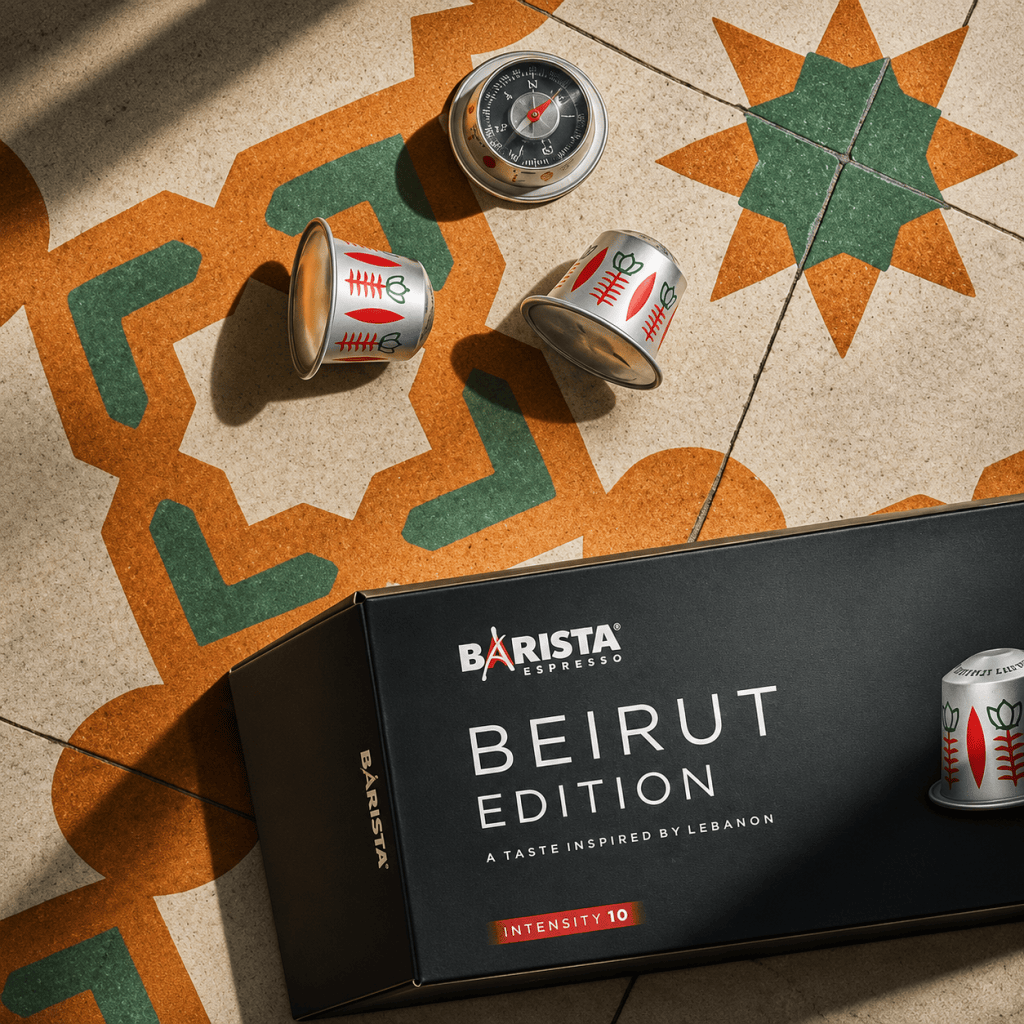
Beirut Edition may not change the way Lebanese coffee is traditionally prepared, but it shows how its identity can continue to inspire new products.
Swanky Tip ☕
Next time you try a coffee inspired by a traditional recipe, pay attention to more than its flavor. Compare its aroma, texture, and preparation with the original. Sometimes, the most interesting part of coffee innovation is discovering what changes and what remains familiar.

