Before cafés became places to open a laptop, answer emails, photograph a cappuccino, or scroll through a phone, Beirut used them for something else.
People went there to meet. To argue. To write. To read. To hear what was happening in the city. And sometimes simply to sit for hours and watch Beirut move around them.
Coffee was important, of course. But for much of Beirut’s modern history, the café was never only about what was inside the cup. It was part meeting room, part newsroom, part cultural salon, and part public living room.
Before Hamra, Beirut Already Had a Coffeehouse Culture
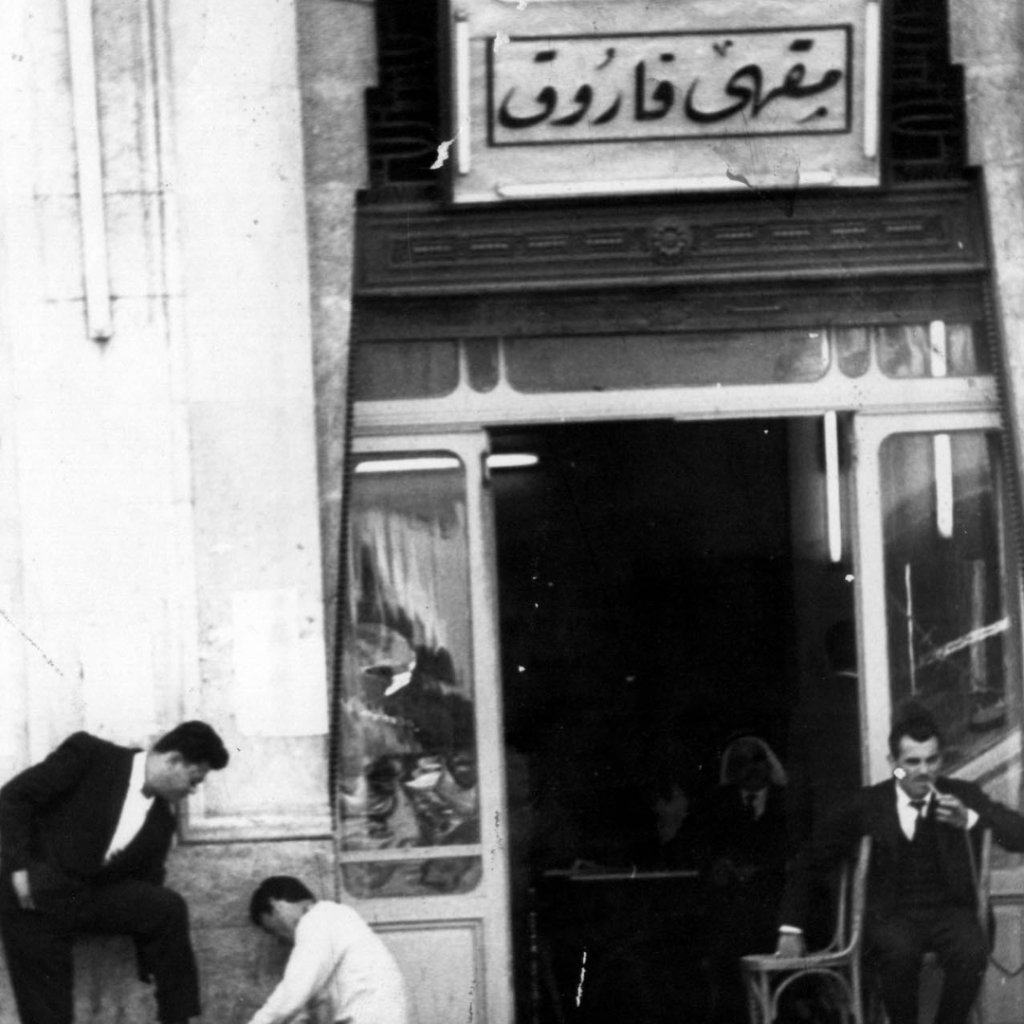
Beirut’s relationship with coffeehouses did not begin with the famous cafés of Hamra.
Coffeehouses had long been part of the city’s public life, but their character changed as Beirut modernized. Research on the city notes that downtown cafés became increasingly mixed-gender beginning in the 1940s, as restaurants and cafés became more accepted as spaces for leisure and social life.
By the following decades, Beirut itself was changing.
New commercial districts were emerging, cinemas and theatres were multiplying, universities were expanding, and the city was becoming a major destination for visitors, journalists, artists, writers, businesspeople and political figures from across the Arab world.
Gradually, the center of café life began moving west. And one street in particular became synonymous with it.
“Hamra Street”.
When Hamra Became Beirut’s Public Salon
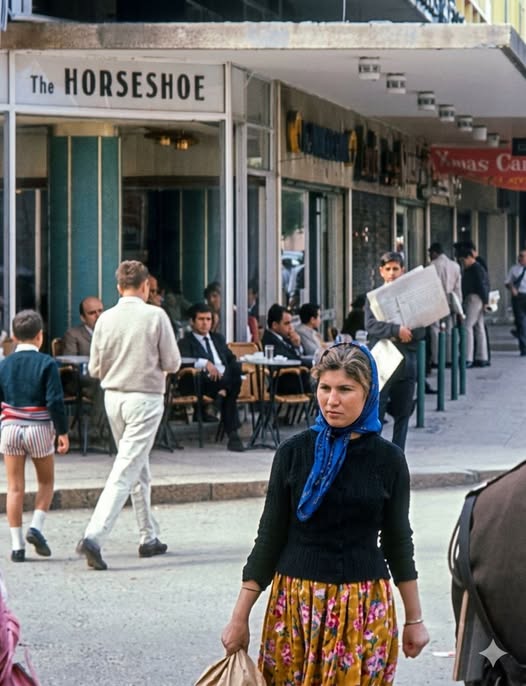
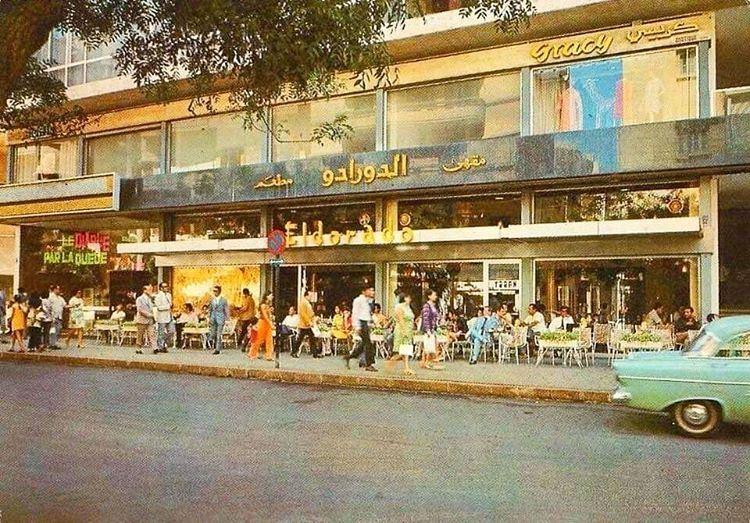
During the 1960s and 1970s, Hamra developed one of the most recognizable café cultures in the region.
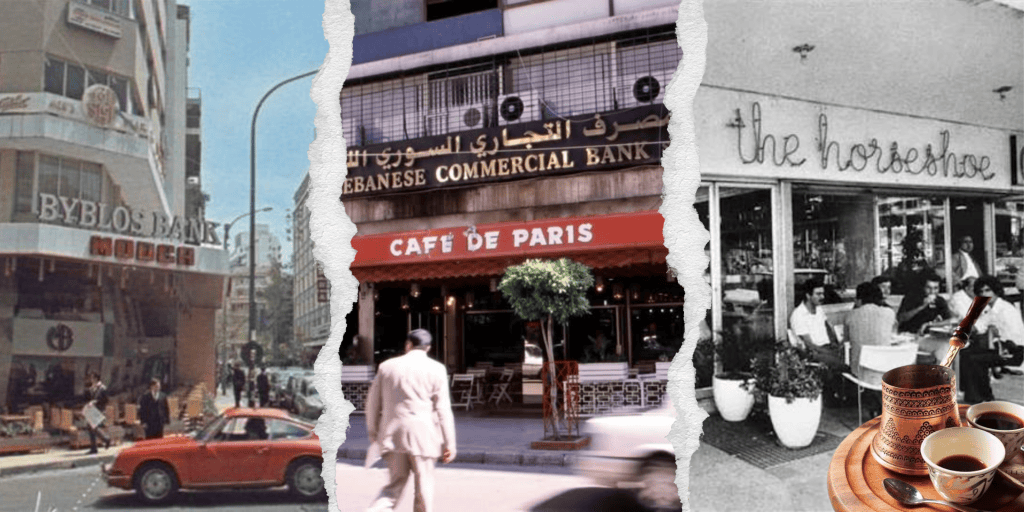
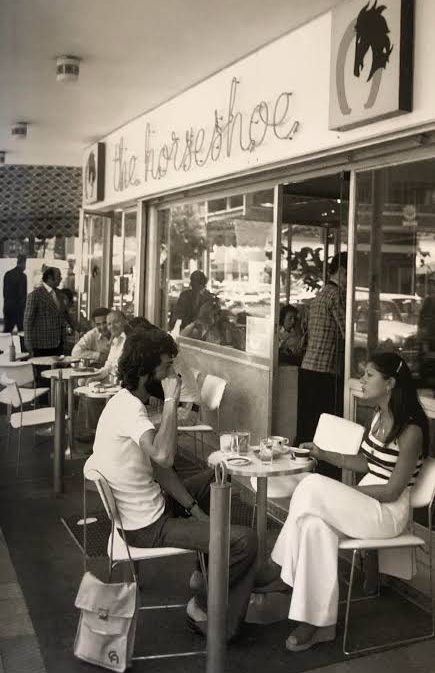
Places such as Horseshoe, Modca, Wimpy and Café de Paris became gathering points for Lebanese and Arab writers, journalists, artists, students, intellectuals and political activists. Academic research describes Hamra’s cafés as modern public spaces that brought together people from different social and religious backgrounds.
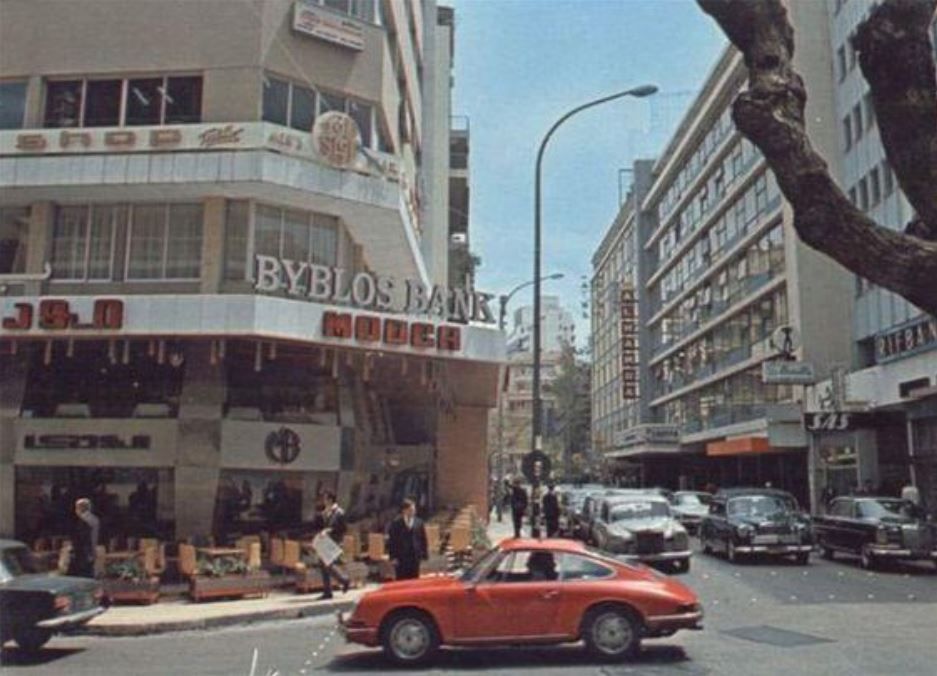
The location played an important role in shaping Hamra’s café culture. With the American University of Beirut nearby, along with theatres, cinemas, bookstores, and publishing houses, the area became a natural meeting point for students, journalists, writers, artists, publishers, and political figures. Inside the cafés, these different worlds often overlapped: a student might sit a few tables away from a journalist, a writer could meet a publisher, and an artist might find themselves in conversation with a political activist. Ideas moved easily from table to table, turning the café into something close to an informal public salon open to anyone willing to order a drink and take a seat.
Coffee, Conversation and Sometimes Politics
These cafés were not quiet rooms filled with people working individually. Conversation was the point. Journalists exchanged information. Writers discussed manuscripts. Artists gathered with other artists. Political debates could stretch across tables and continue for hours.
Research into Hamra’s café culture describes these spaces as gathering places for Lebanese and Arab journalists, politicians, artists and intellectuals from roughly the 1960s onward. Some became associated with opposition figures and political discussions, while others developed reputations as preferred meeting places for writers and journalists.
But reducing these cafés to politics would miss something important.
People also went simply to participate in city life. The coffeehouse offered something between the privacy of home and the formality of an office.
You could arrive alone and still be surrounded by people. You could meet someone intentionally or run into someone by accident. You could read, talk, listen, observe or simply be seen. That was part of the attraction.
The Café Was Also Entertainment
A café did not exist separately from the neighborhood around it.
Hamra in its mid-century heyday was surrounded by cinemas, theatres, bookstores and nightlife. AUB research notes that the growth of sidewalk cafés accompanied Hamra’s broader development into a major cultural and commercial district.
The café could therefore be the beginning of the evening, the end of it, or the space between two other plans.
Meet someone before a film.
Discuss the performance afterward.
Stop for coffee while walking through the neighborhood.
Spend an afternoon with no particular agenda at all.
This may be one of the biggest differences between the café then and the café now.
Today we often enter a café with a task.
A meeting.
A laptop.
A deadline.
A photo
Back then, simply being there could be the activity.
The Café Changed, But the Idea Never Completely Disappeared
Beirut’s old café landscape did not remain frozen in time.
War transformed the city. Neighborhoods changed. Some famous establishments closed. Modca and Wimpy eventually disappeared, while economic pressures and changing habits reshaped Hamra’s identity. When Modca faced closure, intellectuals even protested in an effort to preserve what they saw as part of the area’s cultural memory.
The modern Beirut café now serves a different city. There are laptops on the tables. Phones beside the coffee. Wi-Fi passwords on receipts. People work remotely, take meetings, create content, and sometimes communicate with someone thousands of kilometers away while barely speaking to the person sitting beside them.
Yet something from the older café survives.
People still meet there. Ideas still begin there. Relationships still form there. Someone still sits alone watching the room.
Perhaps that is why cafés continue to matter even as everything around them changes.
The furniture changes. The coffee changes. The technology changes.
But the café continues to occupy the space between private life and public life. Before Instagram, Beirut’s cafés helped people participate in the city. And maybe, beneath the laptops and phones, they still do.
Swanky Tip ☕
Next time you sit in a café, put the phone away for ten minutes. Watch the room, start a conversation, or simply sit with your coffee. You might experience a little of what the café was originally built for.

