

Some bartending careers begin with hospitality school. Others begin with a job behind the bar. For Jihad Maoun, it began with a YouTube video, a plastic bottle, and a cup from home.
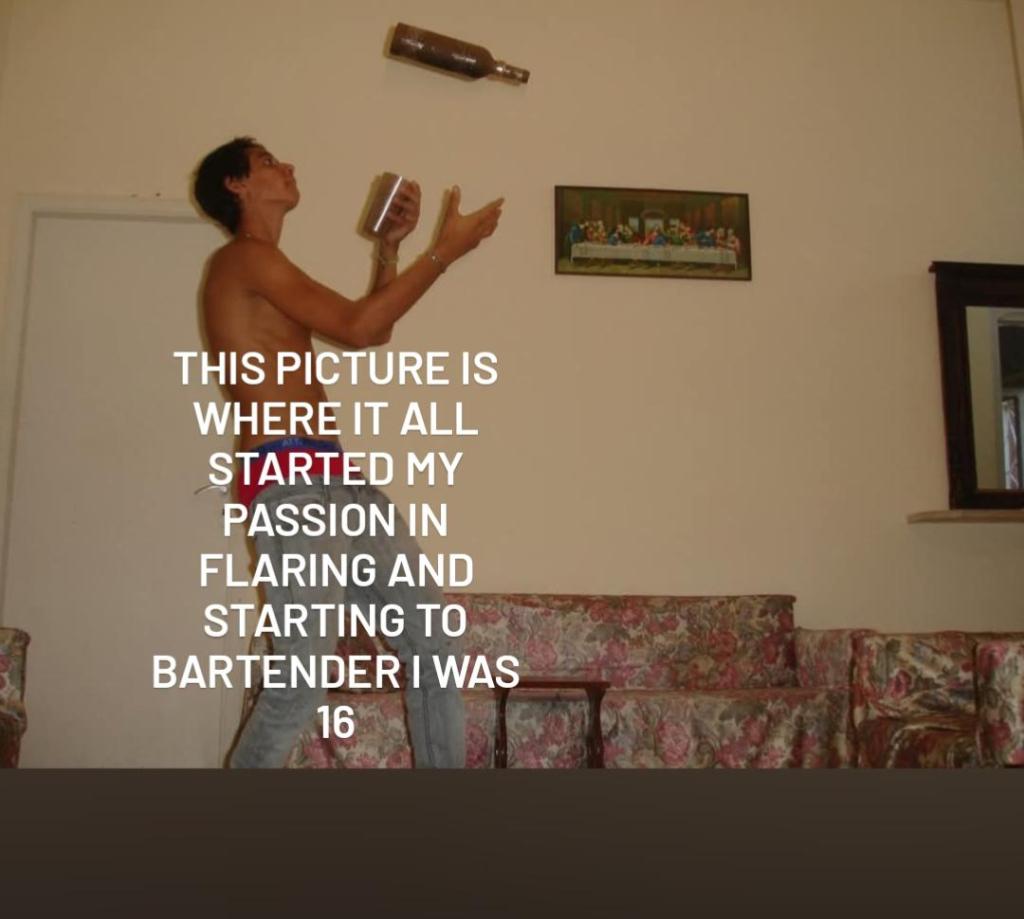
He was around 15 years old when he watched a bartender performing flair, throwing and catching bottles with the kind of confidence that makes the difficult look effortless.
It was enough to him to spark an obsession, as he says: “I quickly got a plastic bottle from home and a cup as a shaker and started throwing the bottle in the air over and over again,” he remembers.
He kept practicing until the movements began to feel natural. And eventually, what started in his home turned into something people were willing to pay to watch. Jihad says pubs began offering him around $15 to come in and perform short flair shows lasting about 20 minutes. It was the beginning of a journey that would eventually keep him behind the bar for around 14 years.
From Flair to Bartending
Flair may have been the entry point, but bartending became much more than bottle tricks. Over the years, Jihad worked in different venues, learning new cocktails, techniques, and ways of approaching the bar. For him, that constant learning is one of the things that makes the profession interesting.
The hospitality industry is huge, he explains, and every place teaches you something different.
One bar may introduce you to a cocktail you have never made before. Another may teach you a technique you have never used.
And every bartender eventually develops their own way of working. That individuality is part of what Jihad believes makes bartending special.
What Is an “Old-School Bartender”?
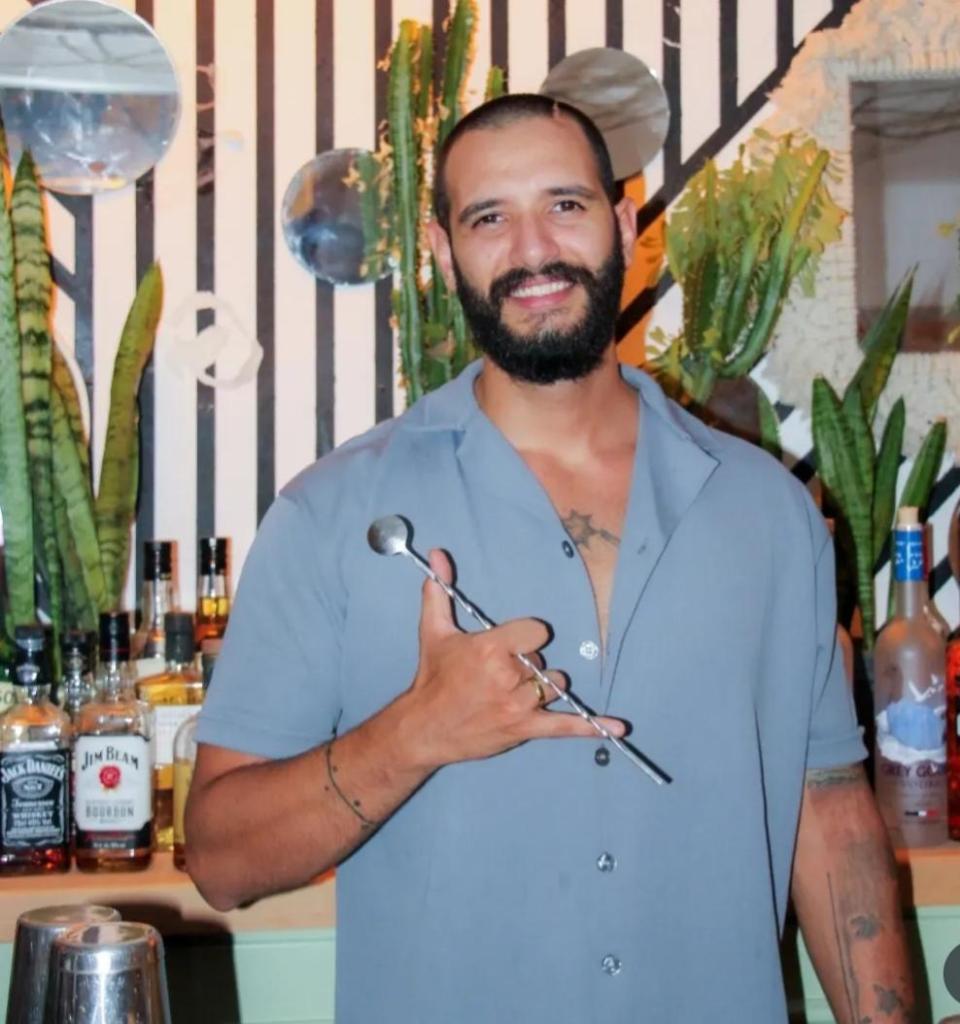
Jihad describes himself as an old-school bartender, but for him, that does not mean rejecting modern bartending. It means respecting the foundations of a cocktail.
He believes classic drinks should remain connected to the techniques and ingredients that originally defined them, rather than being changed simply for appearance or trends. One example is cocktail foam. Traditional recipes often rely on egg white to create texture and structure, while many modern bartenders use alternatives such as pineapple or manufactured foaming products.
Jihad still values the traditional method. At the same time, he does not believe every bartender should work in exactly the same way. After 14 years in the industry, he sees traditional and modern bartending as two approaches that can exist side by side..
.
“There’s nothing to bring back from old-school bartenders because it still exists,” he says
Some bartenders stay close to classic techniques. Others experiment more freely with flavors, presentation, and new methods.
For Jihad, that individuality is part of what makes bartending interesting.
Every bartender eventually develops a style of their own.
From Behind the Bar to Teaching
Teaching was not originally part of Jihad’s plan. It started with a simple question from a friend: Why does a Gin Basil taste different depending on who makes it?
Jihad answered through a video, explaining how he personally prepared the cocktail. That first video led to more content about drinks, techniques, and the knowledge he had collected during his years behind the bar. After about a year, people began asking whether he could train them. That interest eventually led him to start offering bartending workshops, turning years of practical experience into something he could pass on to others.
More Than Bottles in a Shaker
One of the main ideas Jihad tries to teach is that bartending goes far beyond combining different bottles in a shaker.
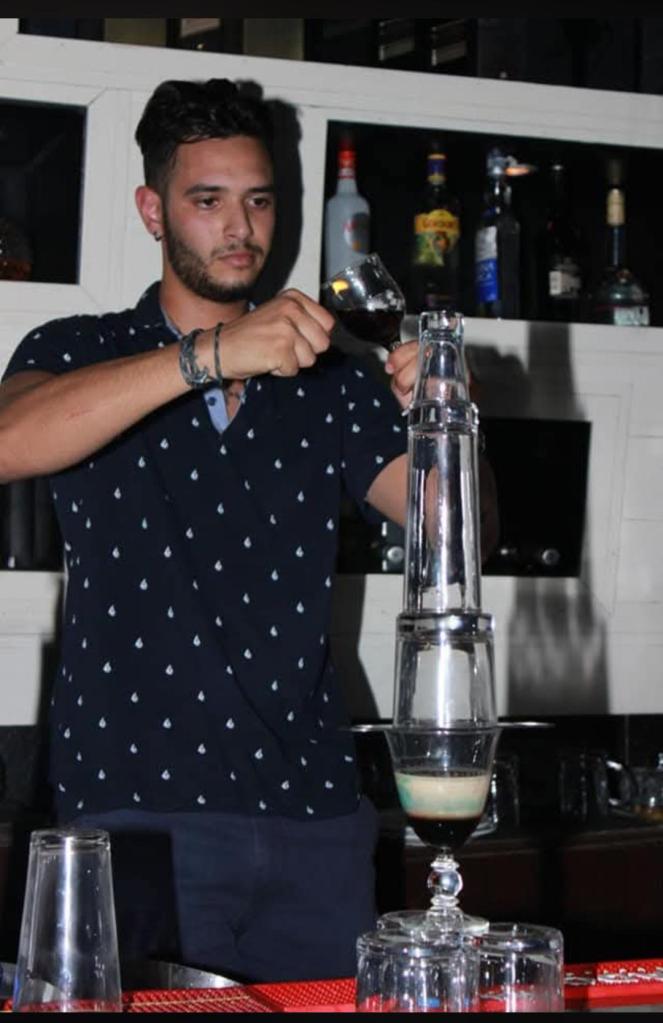
He is particularly interested in alcohol infusion, using ingredients such as fruits and herbs to introduce flavor directly into a spirit.
For him, becoming a better bartender means understanding ingredients, not simply memorizing recipes.
A bartender should know why each element is used, how it affects the drink, and how flavors can be developed.
That understanding is what allows someone to move from simply following a recipe to creating with intention
The Cocktail He Always Comes Back To
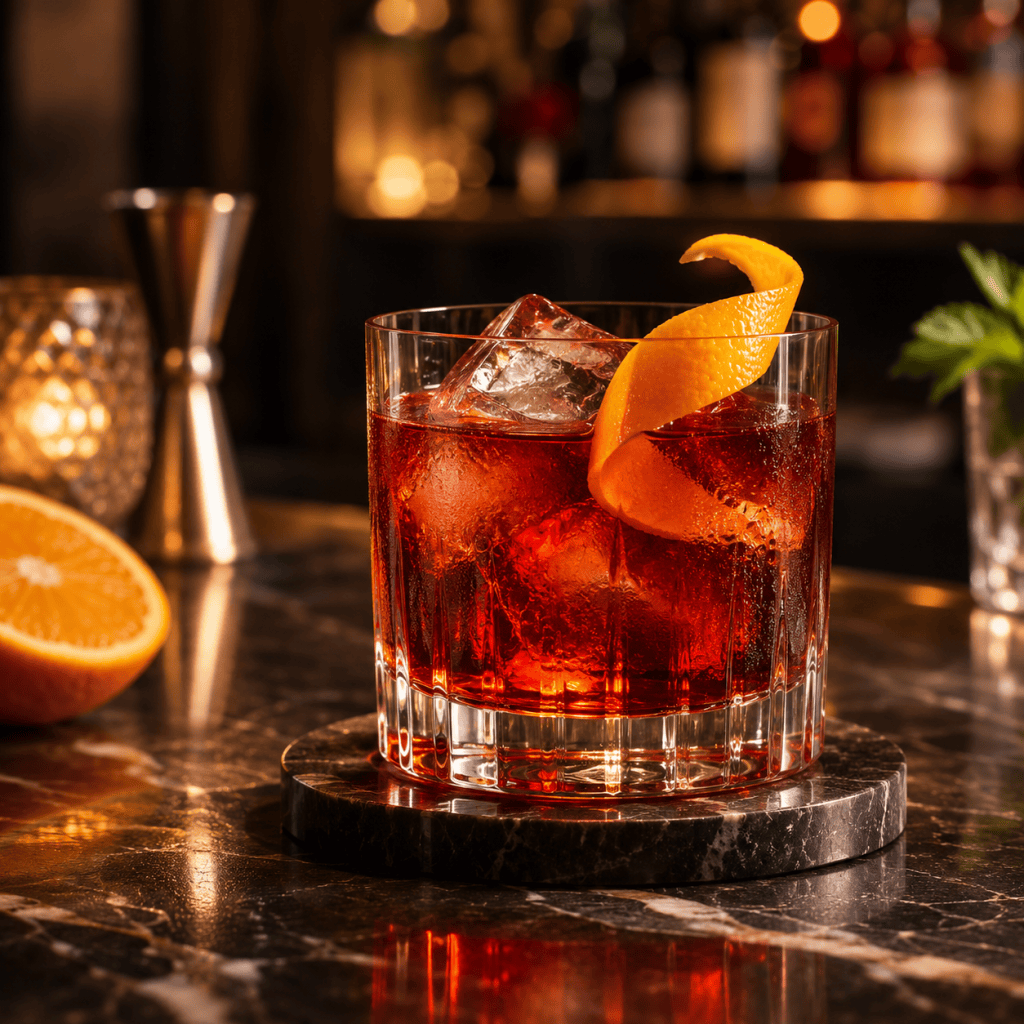
After 14 years behind the bar and countless cocktails along the way, one drink remains Jihad’s favorite: The Negroni.
His version stays close to the classic, but reflects his own taste:
3 cl gin
3 cl Martini Rosso
4 cl Campari
Fresh orange
The extra Campari is deliberate — it is his favorite bottle behind the bar.
That small adjustment captures much of Jihad’s approach to bartending: understand the classic, respect its foundations, and then allow your own personality to come through. Fourteen years after first practicing flair with a plastic bottle at home, Jihad is still behind the bar, still learning, and now teaching others what experience has taught him.
His story is not really about choosing between old-school and modern bartending. It is about knowing where the craft came from, developing your own style, and passing that knowledge forward.
SwankyTip 🍸
Before changing a classic cocktail, learn how to make the original properly. Once you understand why every ingredient is there, experimenting becomes much more meaningful.

