
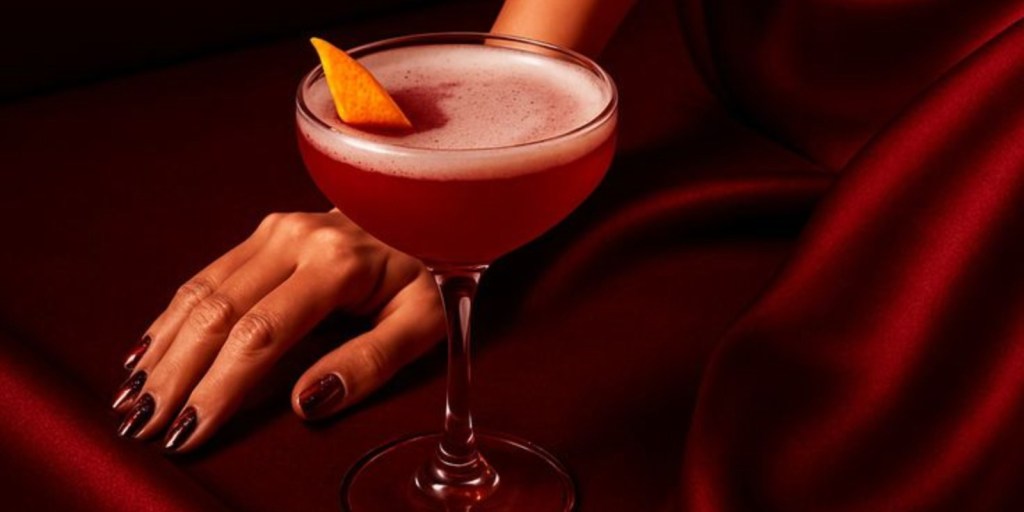
“Shaken, not stirred.”
Few cocktail lines are more famous.
James Bond turned it into a cultural reference, but behind the phrase is something bartenders think about every night: how a drink is mixed changes the drink itself.
Shaking and stirring both chill a cocktail. Both dilute it with melting ice. Both combine ingredients. But they do not create the same result. The real difference is not simply technique. It is texture, temperature, clarity, and the way the drink feels when it reaches your mouth.
Stirring Is About Control
Take a Martini, Manhattan, or Negroni.
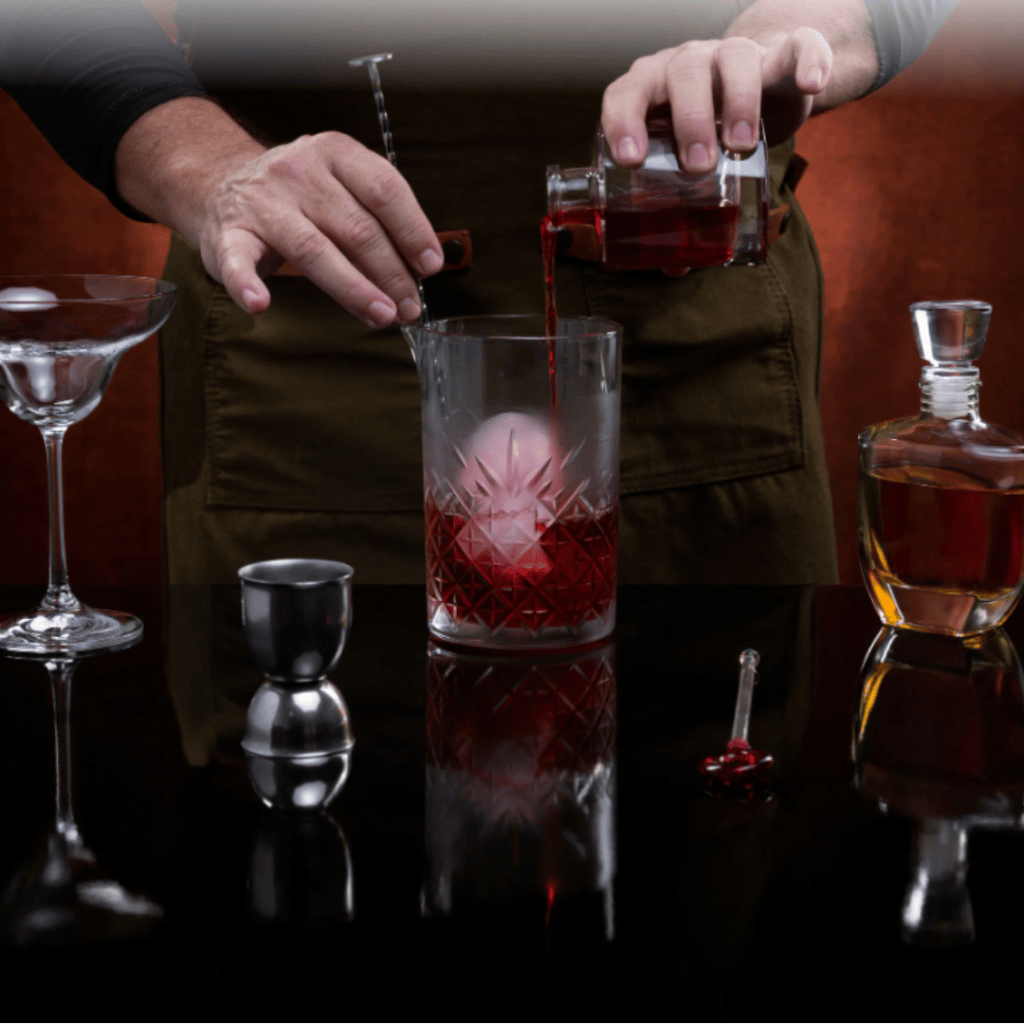
These drinks are largely built from spirits, vermouth, and liqueurs. There is no citrus juice, cream, egg white, or fruit purée that needs vigorous mixing. So instead of attacking the drink with a shaker, bartenders often stir it gently over ice.
Why?
Because stirring cools and dilutes while preserving a smoother, denser texture and a clear appearance.
A well-stirred spirit-forward cocktail should feel polished.
Silky. Cold. Controlled.
That clarity matters too. Stirring introduces far fewer air bubbles than shaking, allowing the finished drink to stay visually clean rather than becoming temporarily cloudy.

The movement may look calm behind the bar, but it is still doing important work.
The ice is gradually lowering the temperature while adding just enough water to soften the alcohol and bring the ingredients together.
Shaking Changes the Texture
Now imagine a Daiquiri: rum, fresh lime, and sugar. Stir those ingredients together and they will technically mix, but the result will not have the texture most bartenders are aiming for. Shaking is much more forceful, moving ice rapidly through the liquid to chill and dilute it quickly while also introducing tiny bubbles of air.
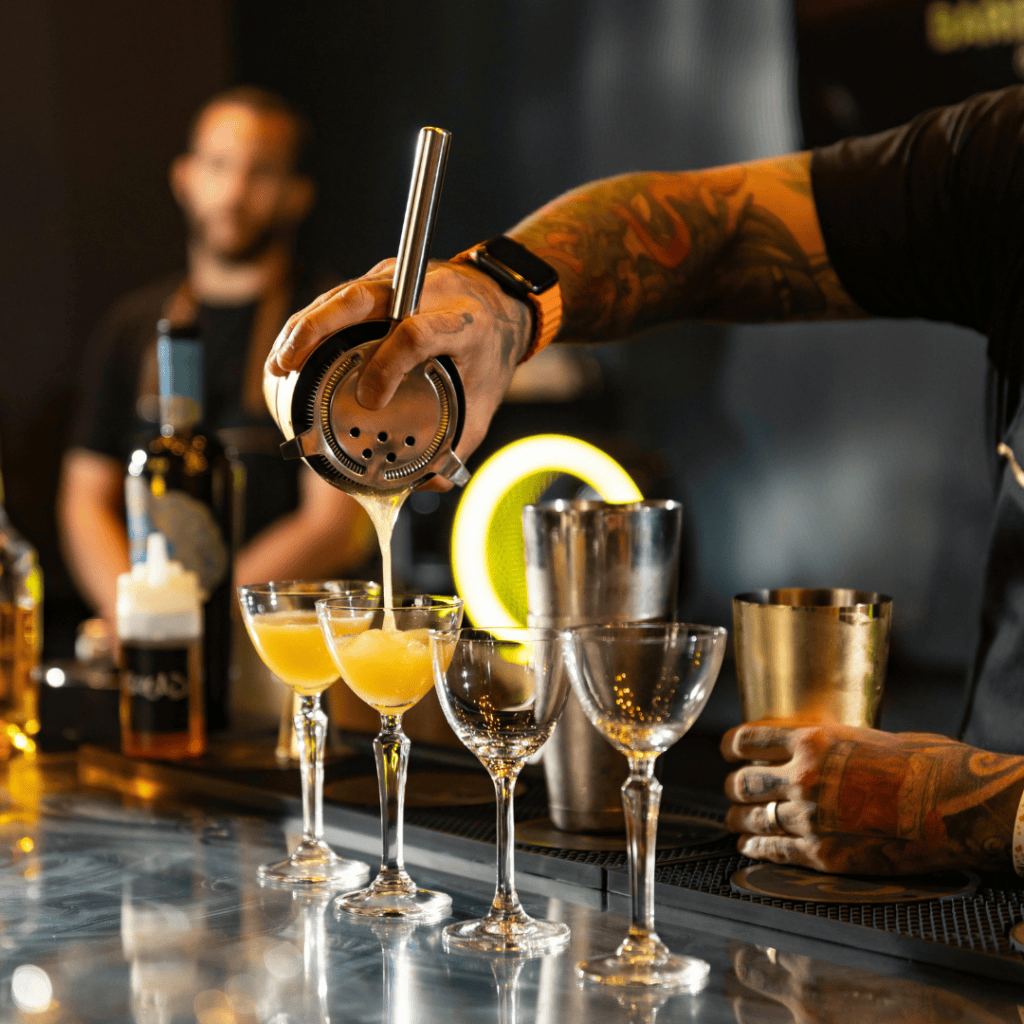
That aeration changes the drink. It can make the cocktail feel lighter, livelier, and more integrated on the palate.
Drinks containing citrus, fruit, dairy, or egg white often benefit from this movement, which is why shaken cocktails may arrive with a little foam, a softer texture, or slight cloudiness.
That is not a flaw, it is part of the character of the drink.
The Famous Rule and Its Exceptions
Bartenders are often taught a simple guideline: Spirit-forward drinks are stirred. Drinks with citrus, fruit, cream, or egg are shaken. It is useful. But cocktail culture rarely follows rules perfectly.
Some Martinis are shaken.
Some bartenders deliberately shake vodka Martinis because the technique chills them quickly and can produce the colder style a guest prefers. Dirty Martinis are also frequently shaken.
There are other exceptions throughout cocktail history. The important point is that technique is not supposed to be automatic.
It should serve the drink.
What texture is the bartender trying to create? How much dilution does it need? Should it feel silky or bright? Crystal clear or aerated?
Those questions matter more than following a rule simply because someone wrote it down.
So Was James Bond Wrong?
Not exactly. Modern bartending convention generally favors stirring a classic spirit-forward Martini because it preserves clarity and a smooth texture. Shaking produces something different: typically colder more quickly, more aerated, and often slightly cloudier and more diluted.
Bond’s famous preference therefore was not meaningless. He was effectively specifying the texture and temperature he wanted.
And that is what makes the line more interesting than it first appears.
“Shaken, not stirred” is not just a dramatic way of ordering a drink.
It changes what arrives in the glass.

The Technique You Taste Without Seeing
Most guests do not watch every movement behind the bar. They may never see whether their cocktail spent 20 seconds in a mixing glass or several seconds being vigorously shaken with ice.
But they can still experience the result.
A Manhattan feels smooth because of choices made before it reaches the table.
A Daiquiri feels bright and lively because of the way it was shaken.
The foam on an Espresso Martini, the silky body of a Martini, the crisp acidity of a Sour; these textures are not accidents.
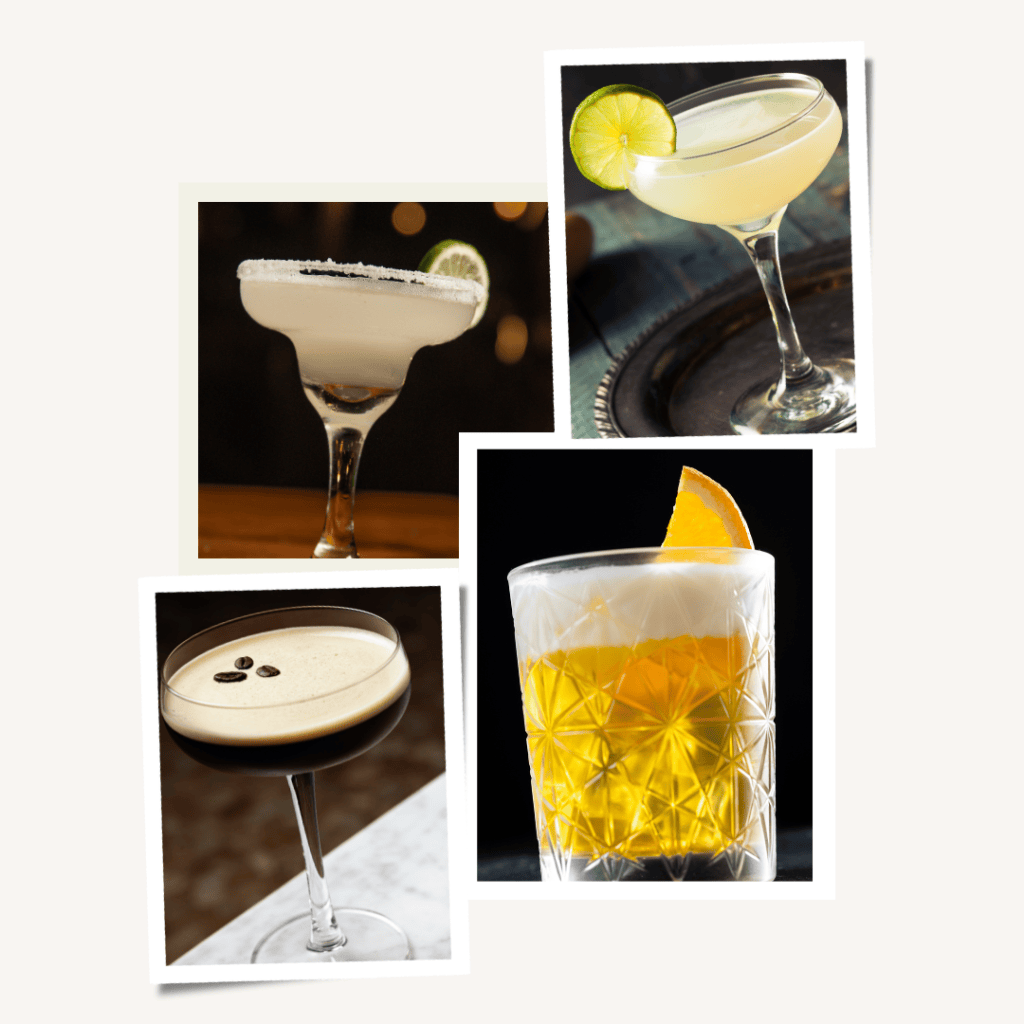
They are part of the bartender’s craft. And that is why the shaker and the mixing glass are not interchangeable tools. They may start with the same ingredients and the same ice.
But they can produce two very different experiences. So next time you hear someone order a drink “shaken, not stirred,” remember:
They are not simply choosing how the bartender moves. They are choosing what the cocktail becomes.
Swanky Tip 🍸
Next time you order a cocktail, notice the texture as much as the flavor. If it feels silky and clear, it was likely stirred; if it feels brighter, lighter, or slightly frothy, shaking probably played a part.

