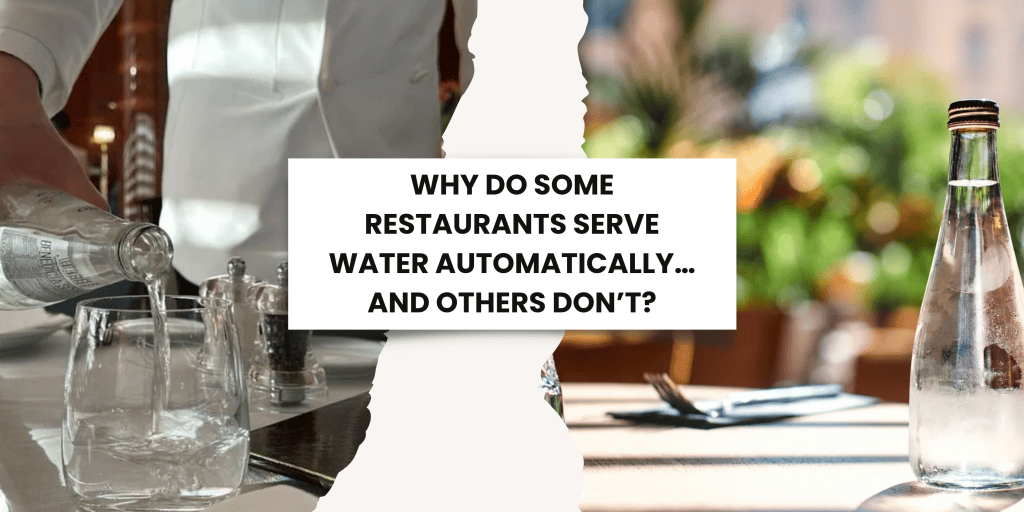
Water is one of the simplest things on a restaurant table, yet the way it is served can reveal a great deal about the establishment.
In one restaurant, a glass of water appears before the menu is opened. In another, the waiter immediately asks, “Still or sparkling?” Elsewhere, bottled water may already be placed on the table before the guest sits down.
These differences are not random. They reflect service culture, local habits, water quality, pricing strategy, and the restaurant’s broader philosophy of hospitality.
Water as the First Gesture of Hospitality
In many restaurants, serving water automatically is part of the welcome.
The gesture is simple, but its message is clear: the guest has arrived and is being taken care of.
Water can be one of the first interactions between the customer and the service team. A glass placed on the table, followed by attentive refilling throughout the meal, can create an immediate sense of care.
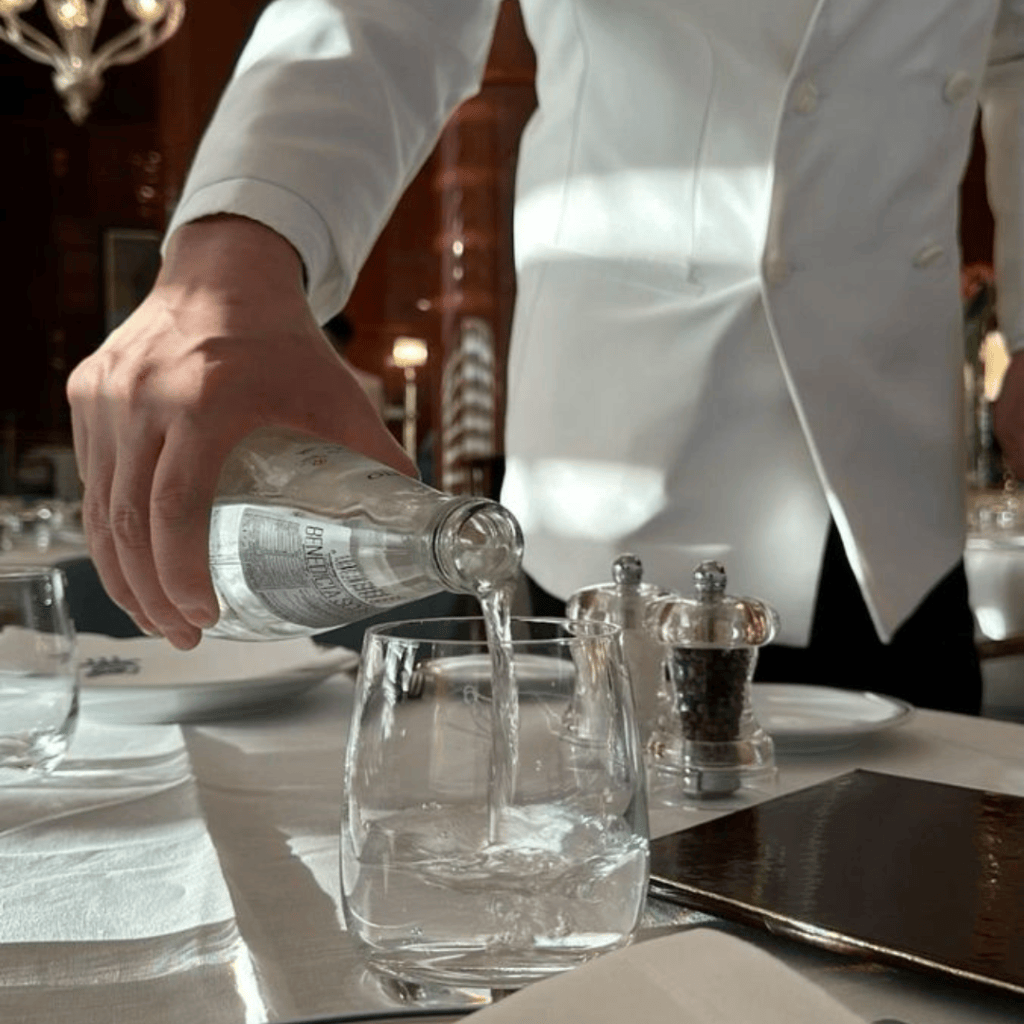
Even when the water itself is complimentary, the service surrounding it is not without cost.
Glasses must be prepared, filled, monitored, cleared, and washed. Staff must pay attention to when guests need a refill. What looks effortless from the dining room is part of a much larger service operation.
That is why water service can become an important indicator of attentiveness. The guest may not consciously notice every refill. But they often notice when it does not happen.
When Water Becomes Part of the Menu
The experience changes when the first question is: “Still or sparkling?”
At that point, water moves from a complimentary gesture into the beverage program. Bottled still water, sparkling mineral water, imported brands, and premium glass bottles allow restaurants to treat water as a product in its own right.
From a business perspective, this is understandable. Beverages play an important role in restaurant revenue, and bottled water requires relatively little preparation compared with coffee, cocktails, or fresh juices.
However, the way it is presented matters.
Offering bottled water gives guests a choice.
Automatically opening a bottle without clearly communicating that it will be charged is a different experience entirely.
Good hospitality depends on trust, and even a small unexpected charge can affect the way a guest remembers a meal.
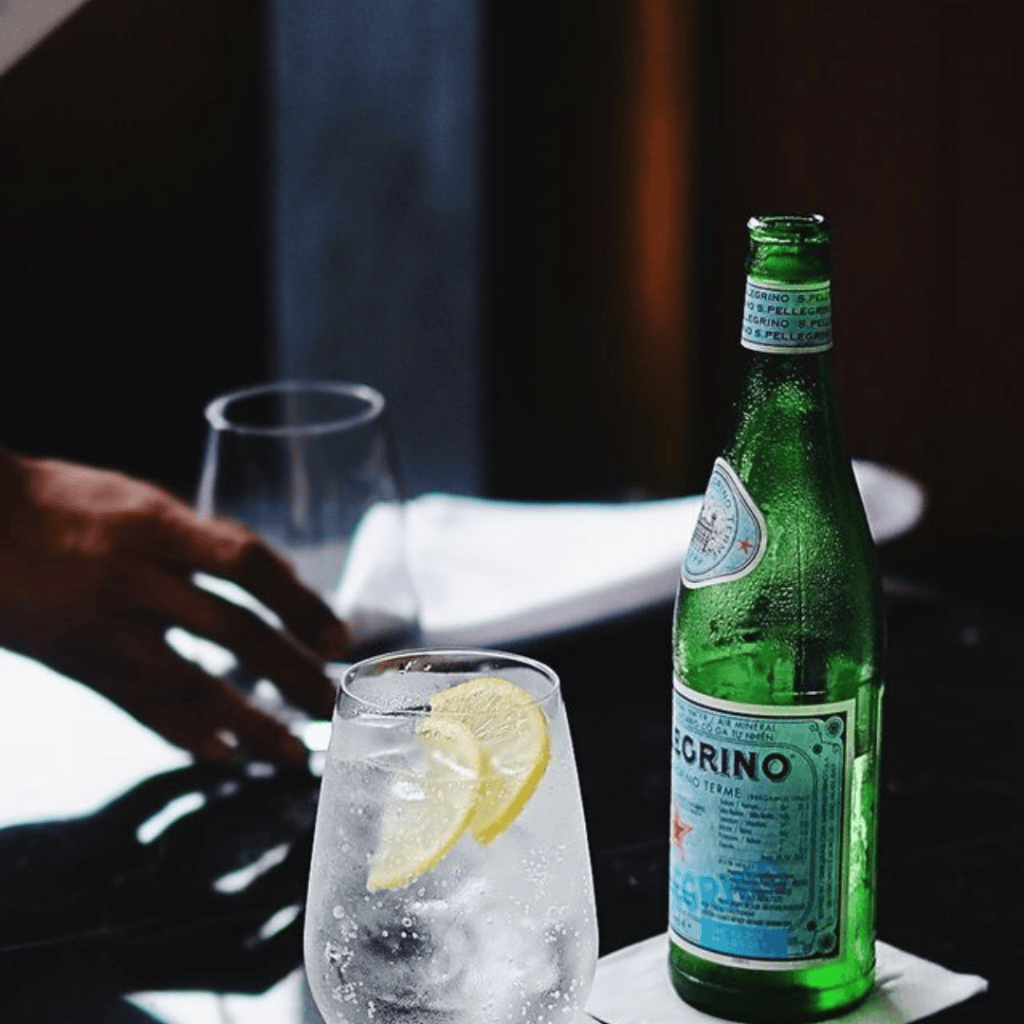
The issue is therefore not whether restaurants should charge for water. It is whether the guest understands what they are choosing.
Why Water Service Changes Around the World
There is no universal rule for restaurant water. Expectations vary significantly between countries and regions. In some markets, complimentary tap water is considered a standard part of restaurant service. In others, bottled water has long been the norm.
These habits are influenced by several factors. Local drinking-water quality is one. Regulation is another. Tourism, restaurant tradition, and customer expectations also play a major role.
A diner who is accustomed to receiving free water automatically may find bottled-only service surprising.
Another guest may consider bottled water completely normal and expect to choose between still and sparkling.
Neither experience exists in isolation.
Restaurant service reflects the habits of the society around it.
The Economics Behind the Bottle
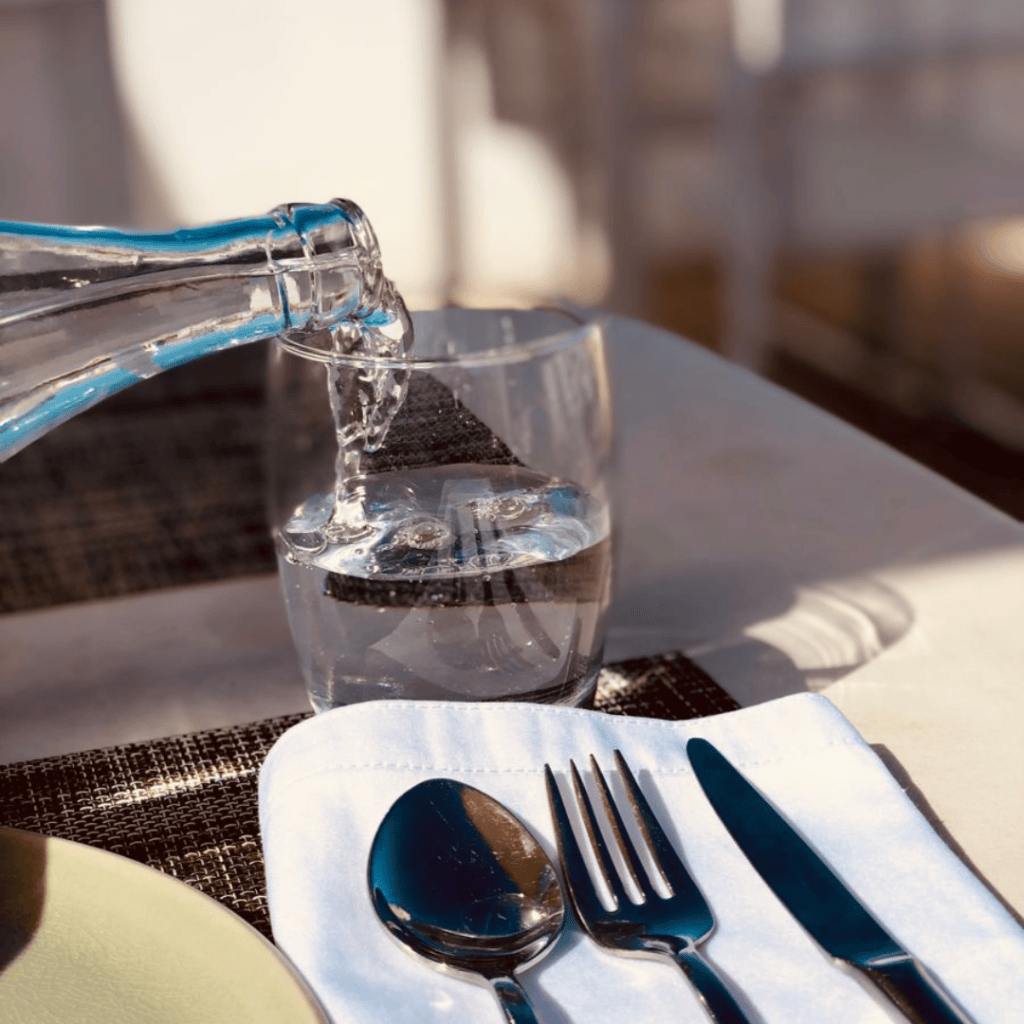
There is also a commercial side to water service that guests rarely think about. A bottle of water requires little preparation, no recipe, and can be served quickly, making it a relatively efficient addition to the bill.
Presentation also plays an important role: premium bottles, imported mineral water, elegant glass packaging, and tableside pouring can turn something as ordinary as water into part of the overall restaurant experience.
This is particularly noticeable in fine dining and luxury hospitality, where water may be treated with the same attention as wine, coffee, or tableware. But premium presentation only works when it feels intentional rather than imposed.
The best service keeps the commercial side of hospitality almost invisible, so guests feel they are being offered something rather than being pushed toward it.
The Real Question Is Choice
Ultimately, the difference between good water service and uncomfortable water service often comes down to one thing: “Choice”.
A restaurant can serve complimentary water.
It can sell bottled water.
It can offer sparkling mineral water.
It can provide filtered water.
All of those approaches can work.
What matters is that the guest knows what is available and can make the decision comfortably.
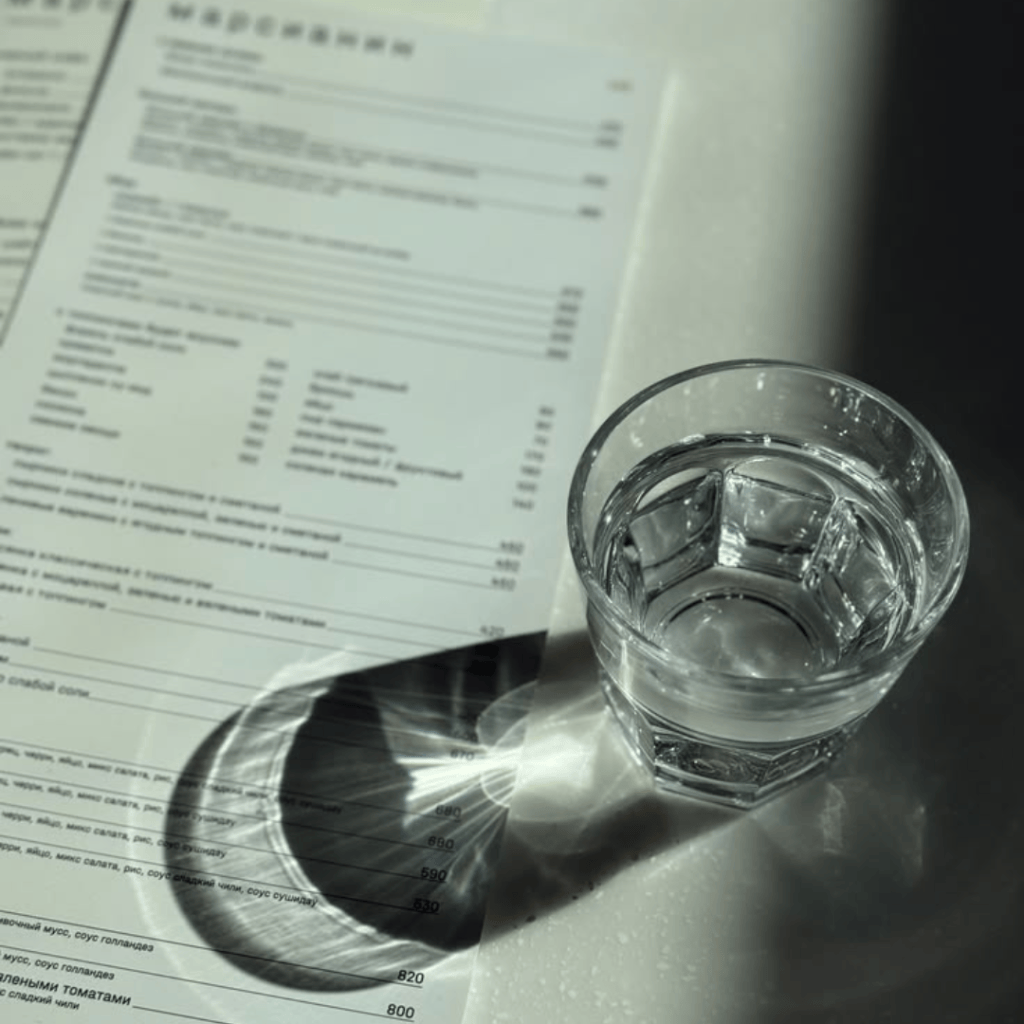
Sometimes the most professional approach is also the simplest: Still, sparkling, filtered, or tap?
A clear question removes uncertainty. And in hospitality, clarity is part of good service. Water may be one of the least complicated products in a restaurant. But the way it reaches the table says something important about the establishment itself. Because before the food arrives, before the wine is poured, and before the first course is served, the restaurant has already started communicating with the guest.
Sometimes, that communication begins with nothing more than a glass of water.
Swanky Tip
If you’re unsure whether the water on the table is complimentary, ask before it’s opened. In good hospitality, the guest should always know what they’re choosing and what they’re paying for.

