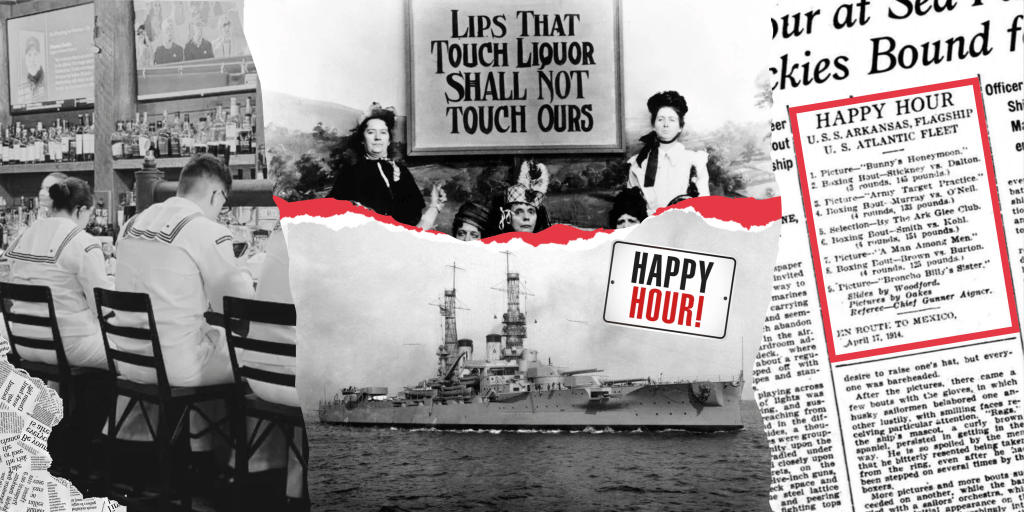
From boxing matches aboard American warships to discounted cocktails and after-work gatherings, Happy Hour has a history that goes far beyond the bar.
It’s five o’clock. The workday is ending, the bartender is preparing the first round, and somewhere a sign announces what everyone has been waiting for: Happy Hour.
Today, those two words usually mean discounted cocktails, cheaper beers, and an opportunity to unwind before dinner.
But have you ever wondered who invented Happy Hour? And why do we call it that?
Surprisingly, the story doesn’t begin in a crowded bar. It takes us back more than a century, to sailors aboard an American battleship who were simply looking for a little entertainment.
And the original Happy Hour didn’t revolve around cocktails at all.
It Started on a Battleship, Not Behind a Bar
One of the earliest documented uses of Happy Hour as an organized entertainment event dates to 1913, aboard the USS Arkansas, an American battleship. Life at sea could be repetitive, so sailors organized recreational gatherings featuring boxing matches, wrestling, music, and other performances.
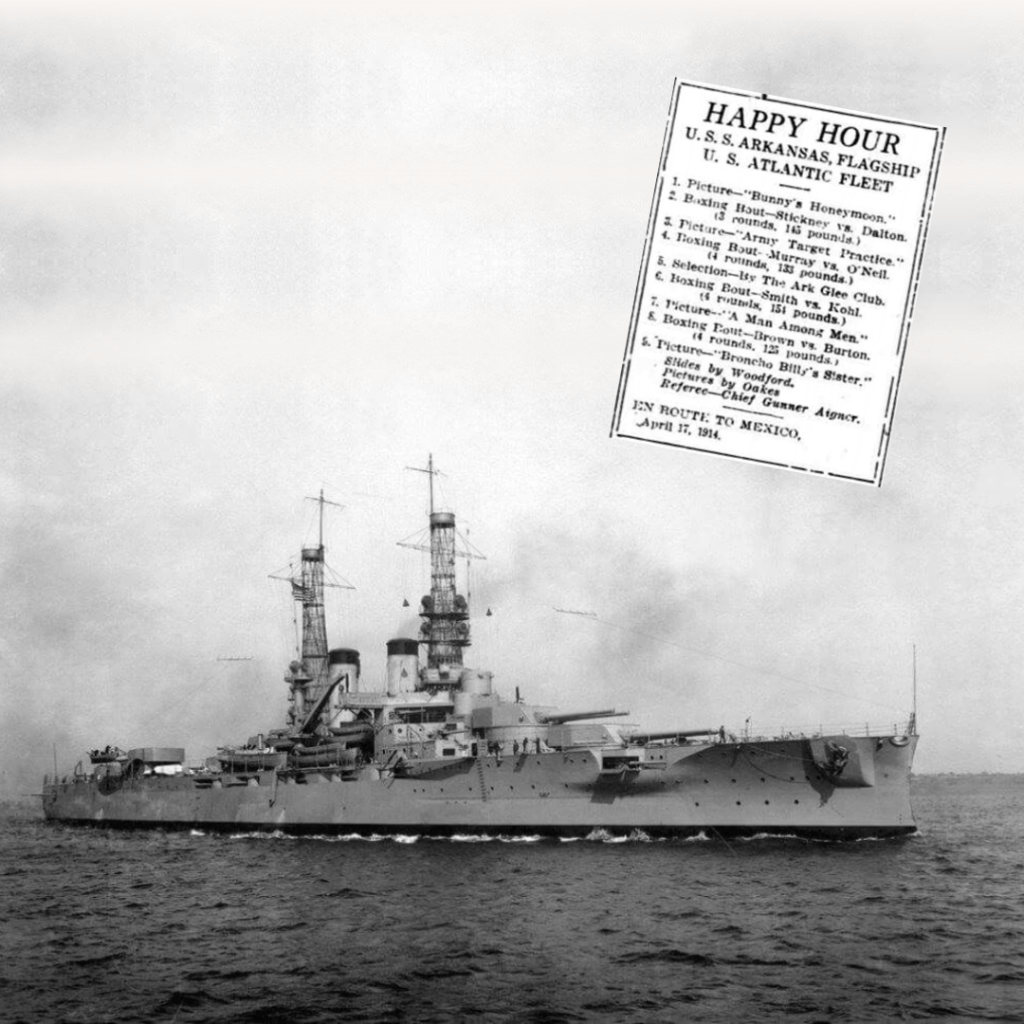
A group known as the Happy Hour Social helped organize these events, giving crew members an opportunity to escape their daily routines and enjoy themselves.
By 1914, the tradition had attracted attention beyond the ship. A Chicago newspaper described the sailors’ Happy Hour as an entertainment program held several evenings each week.
And here’s the interesting part: these gatherings weren’t built around alcohol.
In June 1914, the U.S. Navy prohibited alcoholic beverages aboard naval vessels and at naval stations, yet Happy Hour continued as a form of recreation.
The phrase itself had appeared earlier in the names of social clubs, so it wouldn’t be accurate to credit one sailor with inventing the words. But the Navy played an important role in shaping their association with organized leisure.
The original idea was remarkably simple: set aside some time to enjoy yourself.
Prohibition Gave Drinking a Different Meaning
A few years later, American drinking culture entered one of its most unusual periods.
From 1920 to 1933, Prohibition restricted the manufacture and sale of alcoholic beverages across the United States.
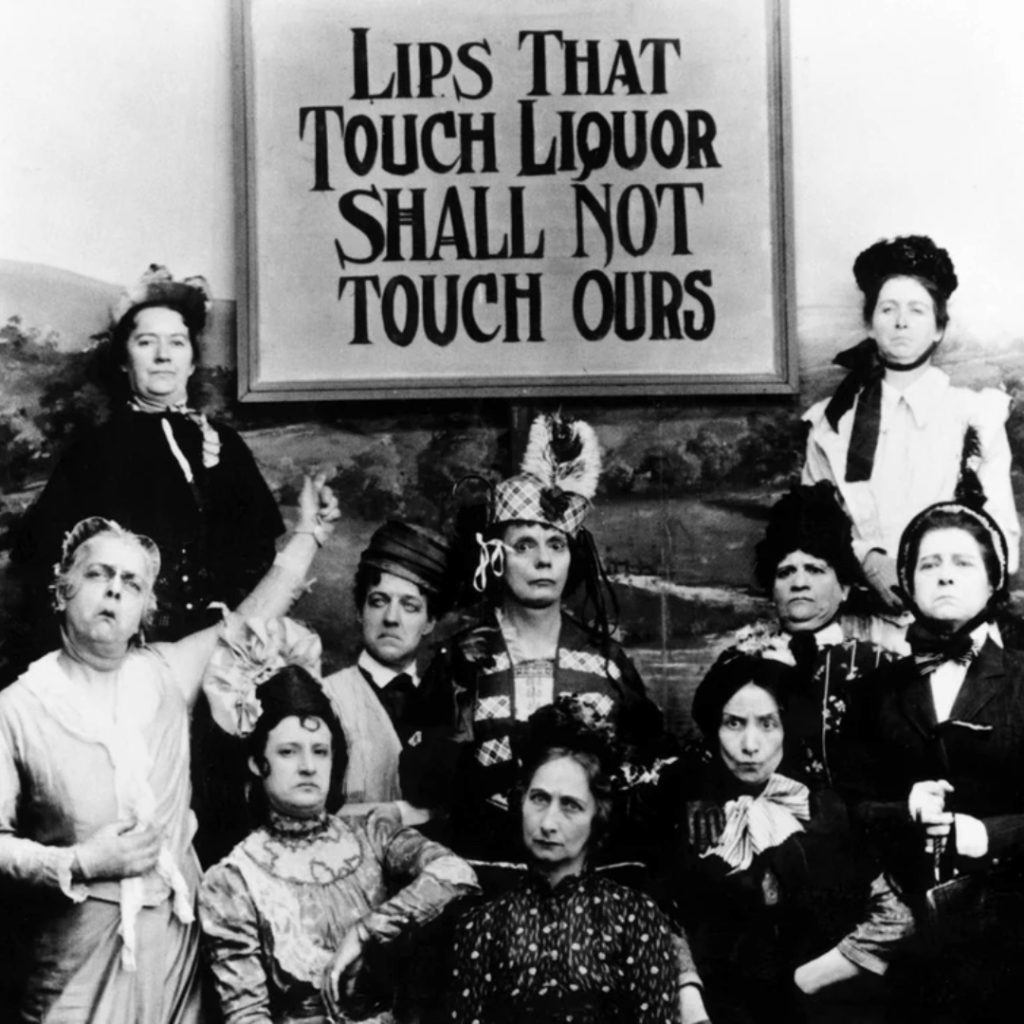
But people didn’t simply stop drinking. Illegal bars known as speakeasies emerged, and private cocktail gatherings became part of social life.
Some Americans enjoyed drinks before heading to restaurants, creating a pre-dinner drinking ritual that resembled the social timing of modern Happy Hour.
However, there is an important distinction: these gatherings weren’t necessarily called Happy Hour, and there isn’t clear evidence that they directly created the modern promotion.
What Prohibition did help establish was a cocktail culture in which drinking became associated with a particular social occasion rather than simply a beverage.
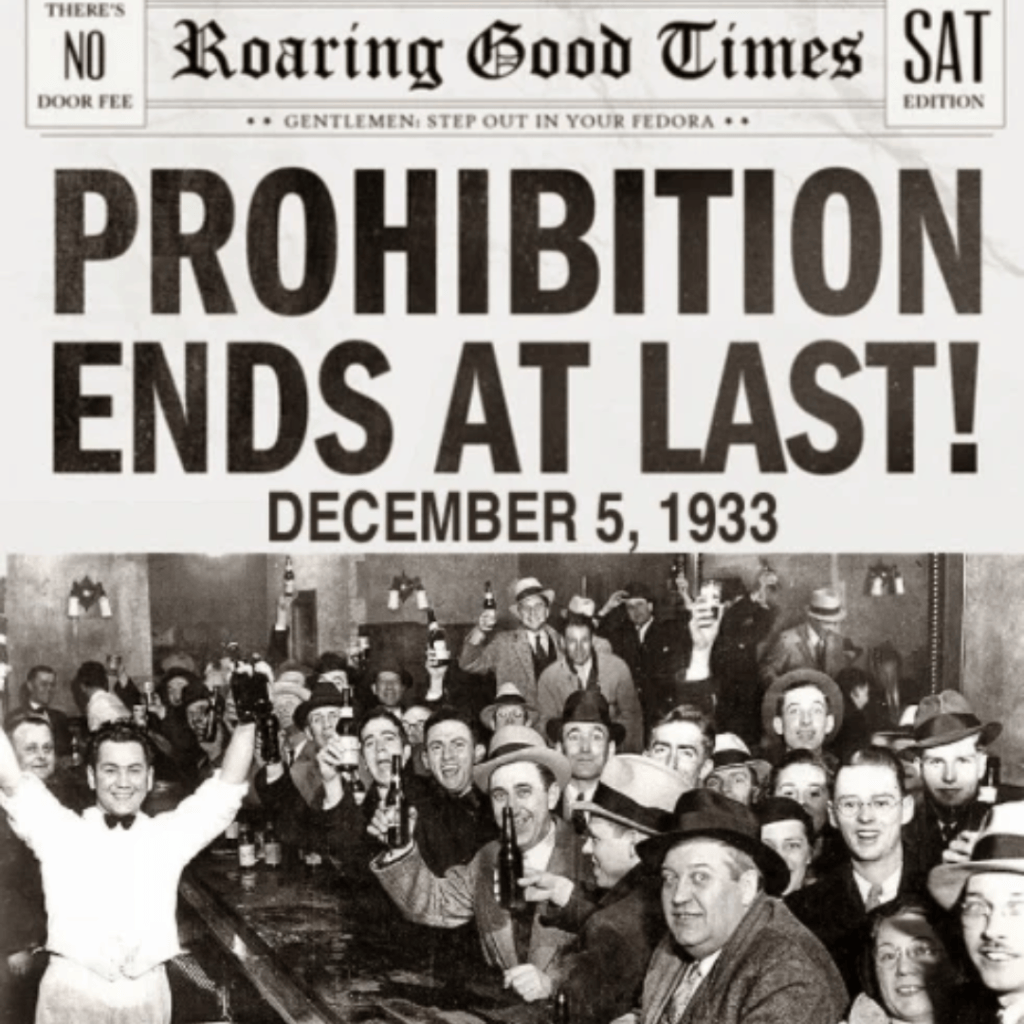
After Prohibition ended in 1933, the cocktail hour continued growing in popularity, especially as after-work drinks became a familiar part of American social life
When Happy Hour Became a Bargain
The modern version of Happy Hour began taking shape during the middle of the 20th century. And by then, the concept had acquired an important new ingredient: discounted drinks.
One particularly revealing example appeared in a California newspaper advertisement in June 1951.
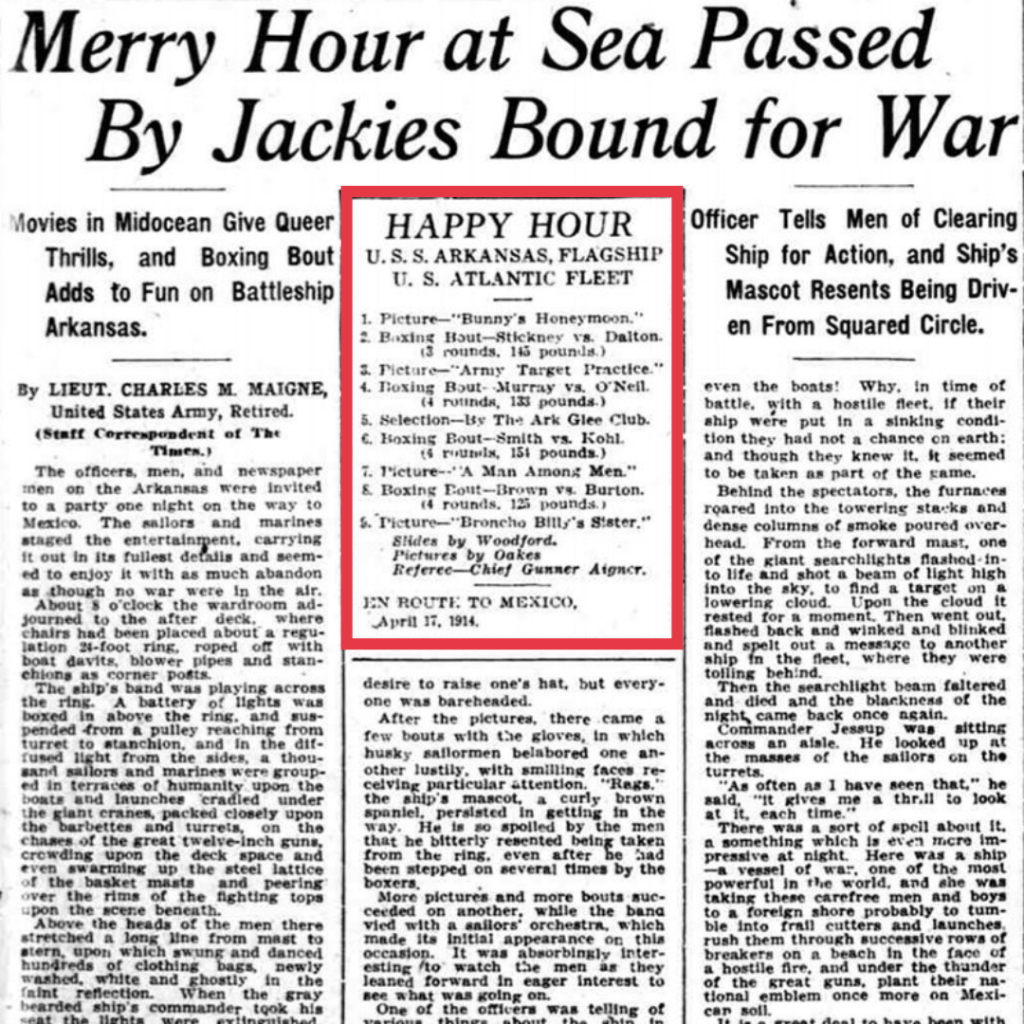
The Phil Kenny Cafe in North Hollywood promoted a Happy Hour between 5 and 6 p.m., offering cocktails for just 25 cents. Later that year, the Los Angeles Times reported on the crowds drawn to a tavern offering similarly inexpensive drinks.
The idea was attractive to both customers and bar owners.
For customers, it meant enjoying a drink at a lower price. For businesses, it offered a way to bring people through the door during quieter hours before the evening rush.
As cocktail culture expanded through the 1950s and beyond, Happy Hour gradually became a recognizable part of bar life.
What started as scheduled entertainment had evolved into a commercial promotion.
Why Do Bars Still Have Happy Hour?
More than a century after those early naval gatherings, Happy Hour remains a familiar feature of hospitality culture. But its purpose has changed.
For bars and restaurants, offering drinks or food at special prices can encourage customers to visit during slower periods, introduce them to a venue, and potentially persuade them to stay for dinner.
For customers, the appeal isn’t always about saving money.
Happy Hour creates a moment between work and the rest of the evening, an opportunity to meet friends, catch up with colleagues, or simply change the rhythm of the day.
And that social purpose isn’t entirely different from what those sailors were looking for in 1913.
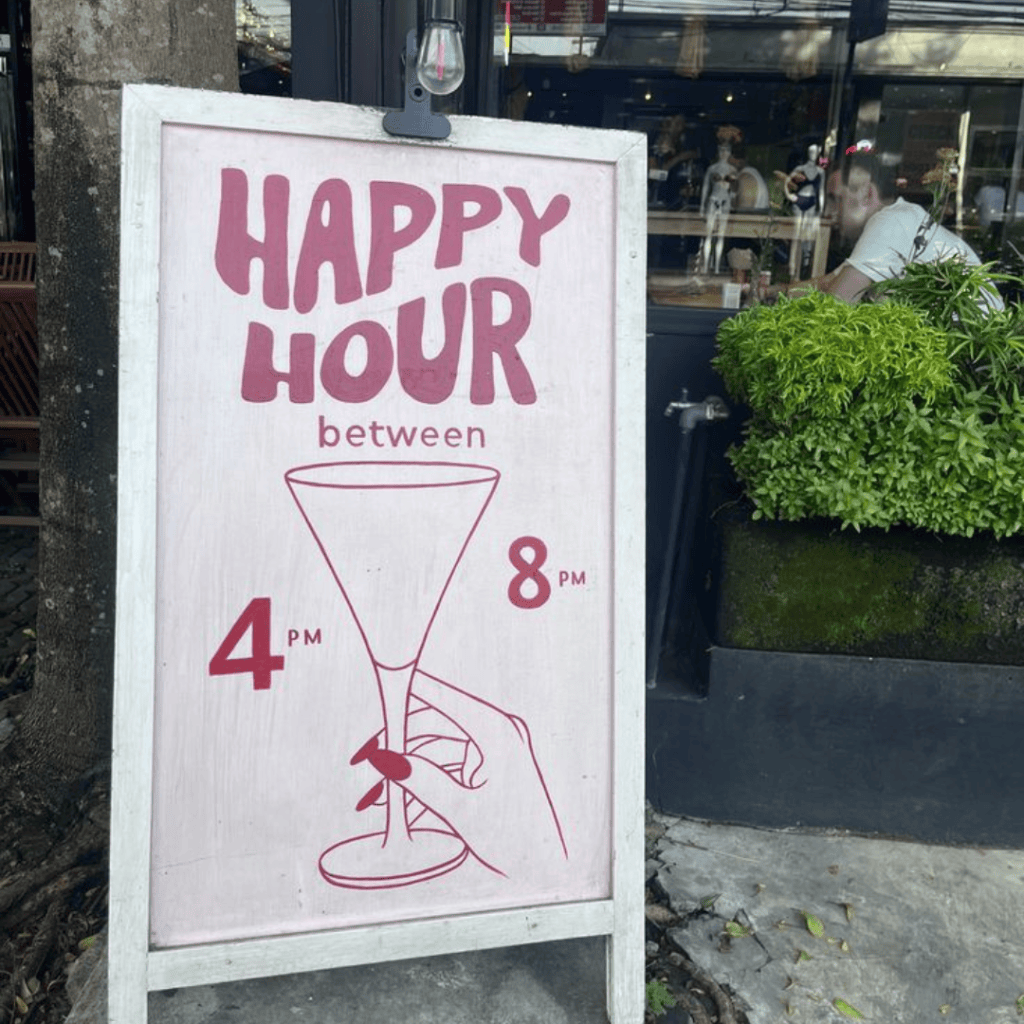
The surroundings have changed. Boxing matches have become cocktail menus, and battleships have been replaced by bars, rooftops, and neighborhood pubs. But the idea of taking time away from daily responsibilities has remained.
So, Who Actually Invented Happy Hour?
There isn’t one person who can definitively claim the invention of Happy Hour.
The phrase existed before its naval use, American sailors helped popularize it as an organized social occasion, and bars later transformed it into a drinks promotion.
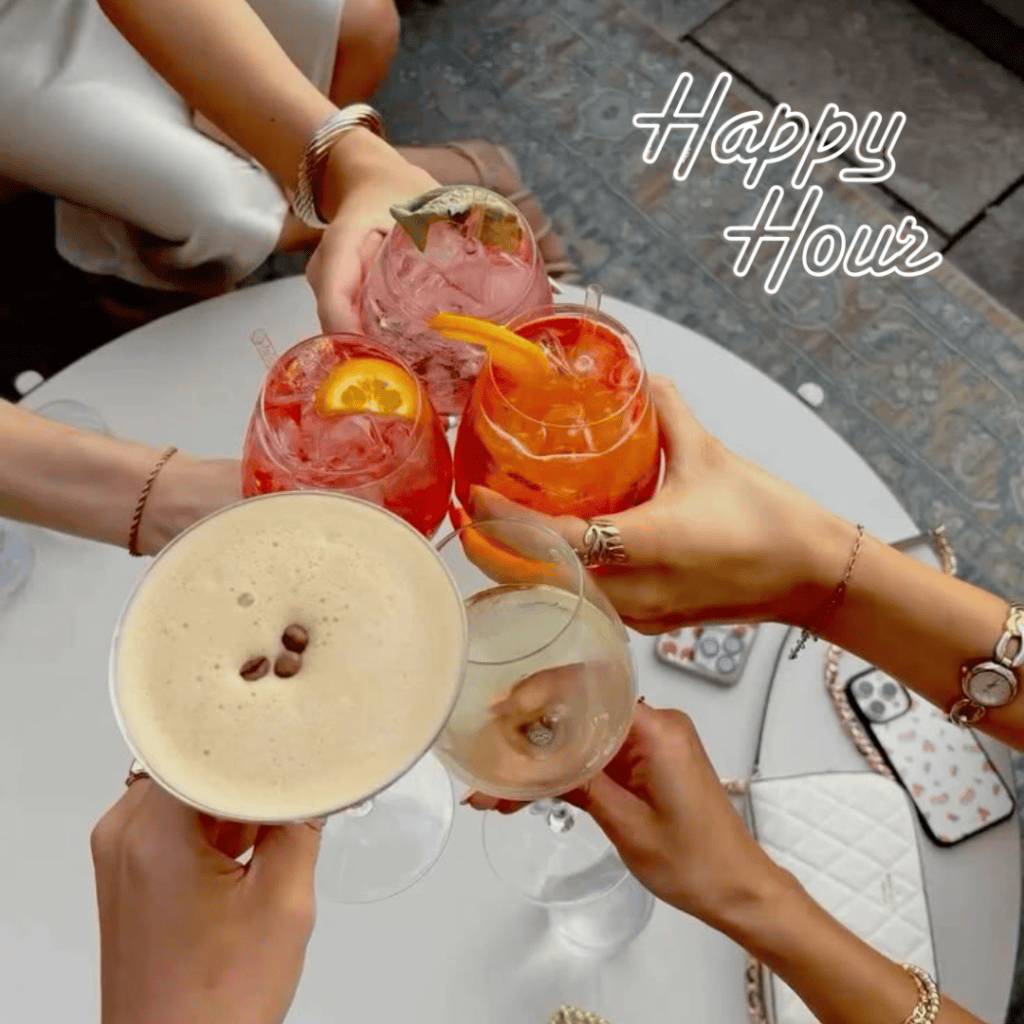
Its evolution reflects something interesting about hospitality: a simple social tradition can take on an entirely different identity as drinking habits change.
Today, Happy Hour might mean a classic Negroni, a cold beer, an alcohol-free cocktail, or a few small plates shared with friends.
And while the drinks and prices may be different, its original spirit remains surprisingly familiar.
Sometimes, the best part of the day is simply having a moment to enjoy it.
SwankyTip 🍸
Next time you see a Happy Hour sign, remember that the tradition didn’t begin with cheap cocktails. It began as an opportunity to enjoy some free time. And here’s another curious detail: despite its name, Happy Hour has never necessarily lasted just sixty minutes!

