
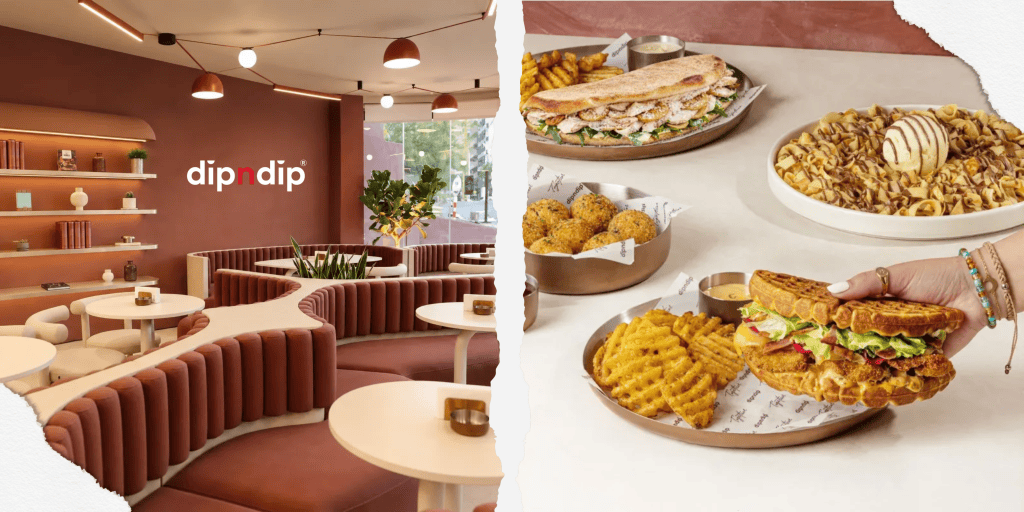
For years, dipndip built its identity around one thing: chocolate.
Crepes, waffles, pancakes, chocolate drinks, and indulgent desserts made the brand instantly recognizable and gave customers a clear reason to visit. dipndip was not simply another café; it was a destination for a specific craving.
That clarity helped build a strong identity, but it also created a limit. A customer might think of dipndip after dinner, for dessert, or for an afternoon treat. They were less likely to think of it for breakfast, lunch, or a full meal.
That is exactly what the brand now appears to be trying to change.
With expanded savory menus, all-day dining, and redesigned spaces, dipndip is moving beyond the role of a dessert destination and toward a broader restaurant and café experience. The shift is not about abandoning chocolate. It is about giving customers more reasons to visit throughout the day.
From a Single Occasion to an All-Day Brand
The logic behind the repositioning is straightforward.
A dessert-focused brand depends heavily on particular moments: after dinner, weekends, social outings, or occasions when customers specifically want something sweet. An all-day concept has far more opportunities. Breakfast, brunch, lunch, coffee, dessert, and dinner can each become a reason to visit.
By introducing savory dishes and more complete meal options, dipndip can compete across several of those occasions instead of waiting for the customer to decide they want dessert.
The strategy has been developing gradually. dipndip had already introduced an all-day sweet-and-savory direction in Lebanon before its more recent expansion, while the newer Kaslik concept pushes the idea further with breakfast, lunch, dinner, specialty beverages, and a redesigned dining environment.
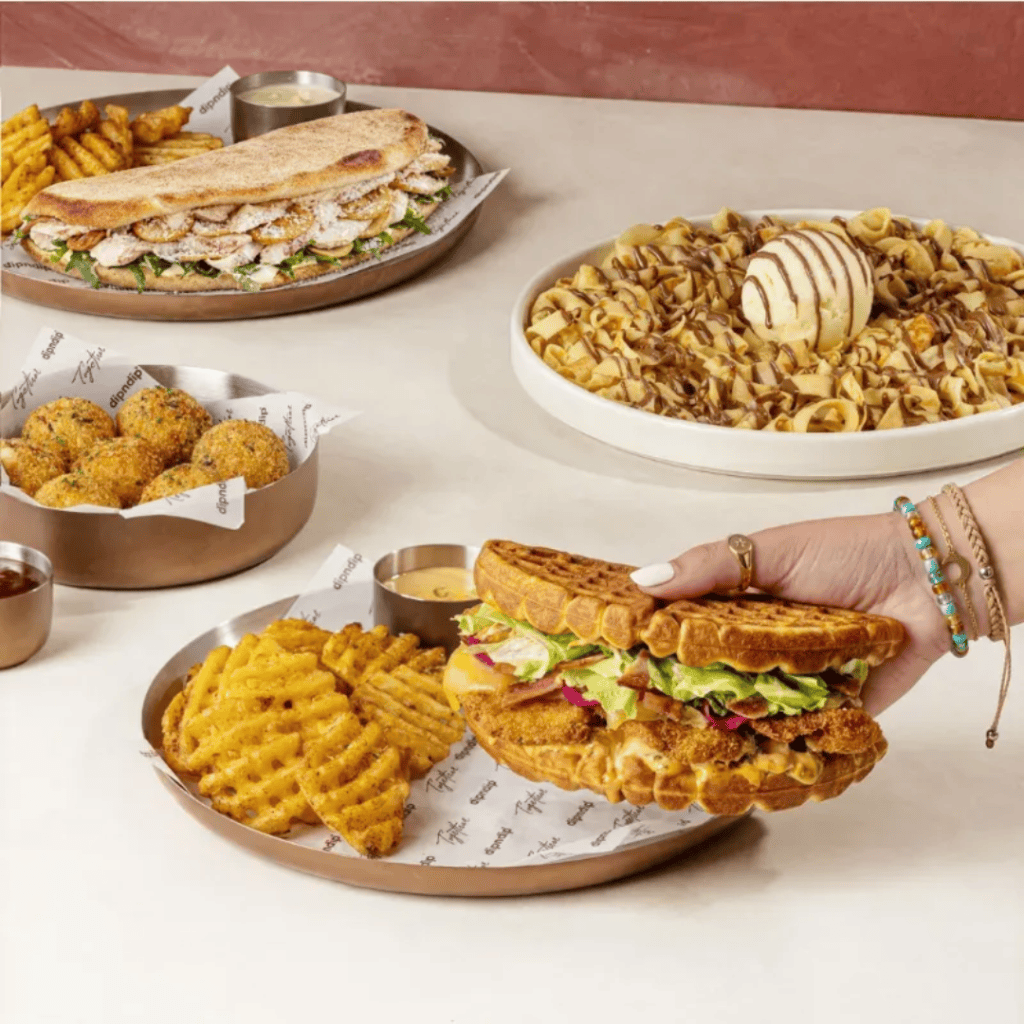
That makes the move feel less like a temporary menu experiment and more like a deliberate repositioning of the brand.
Expanding Without Losing the Identity
Repositioning a well-known brand is never simply about adding products. The biggest strength of dipndip is also its biggest challenge: customers already know exactly what the name means. Chocolate. Indulgence. Dessert. That recognition is valuable.
If the menu becomes too broad, the brand risks becoming less distinctive. A place once known for one very clear experience could start to feel like another all-day café. The smarter approach is not to replace the original identity, but to extend it.
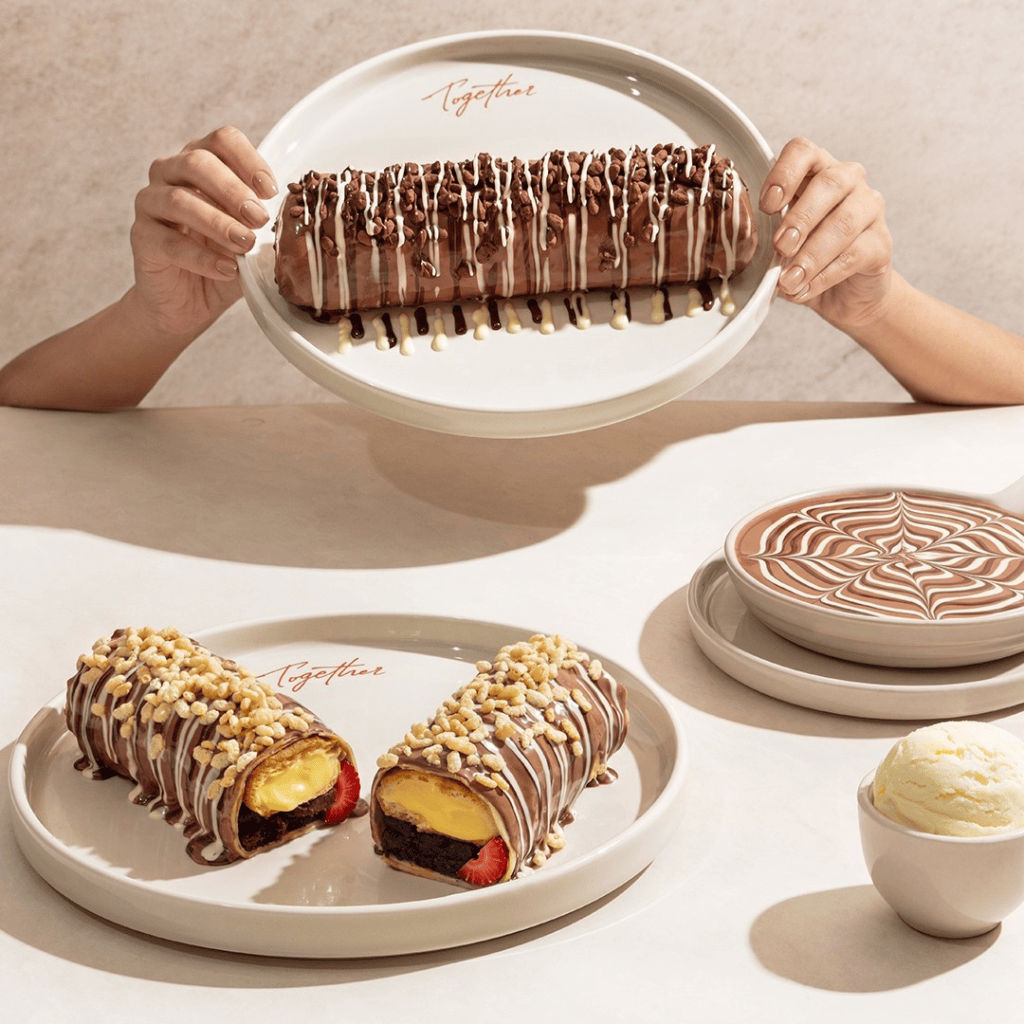
That means the savory menu has to feel like part of the same world rather than something added beside it. The new concept and visual direction suggest an effort to create that balance, keeping chocolate at the center while introducing a broader dining experience around it.
The message is therefore not, “We are no longer a dessert brand.”
It is closer to: “We are still the dessert brand you know, but now there is more you can come for.”
More Reasons to Visit
For dipndip, the repositioning creates the possibility of attracting customers across more parts of the day rather than depending heavily on afternoon and evening dessert traffic.
Breakfast, lunch, coffee, dinner, and dessert each create another reason to visit and potentially another relationship with the same customer.
Someone who once came only for a chocolate crepe might now visit for breakfast and return another day for dessert. A group that would previously have chosen another restaurant for lunch may now consider dipndip because the menu offers more than sweet dishes.
Savory food therefore does more than expand the menu.
It expands the number of occasions in which the brand can compete.
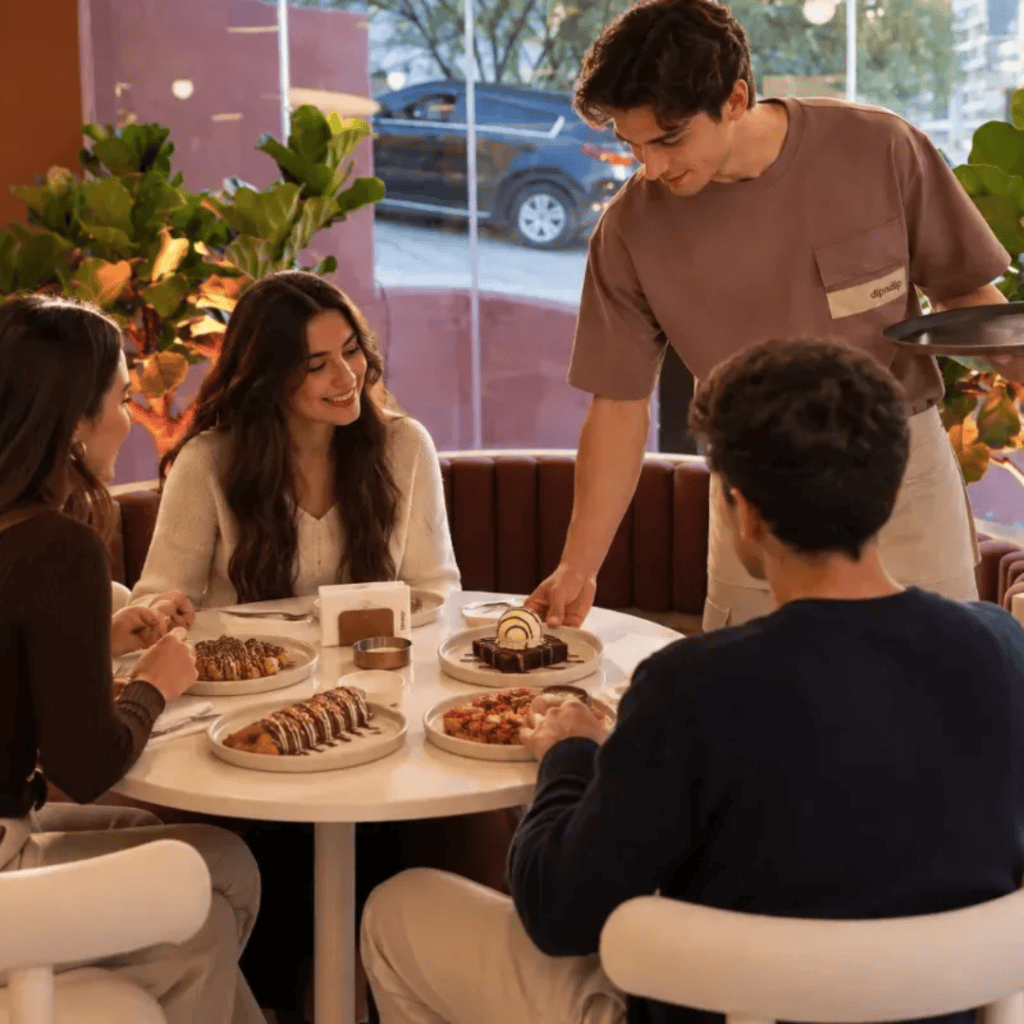
And that may be the most important part of the repositioning. dipndip is trying to move from being associated with a single craving to being considered for a wider range of dining occasions.
The Experience Has to Change Too
A larger menu alone is not enough to reposition a restaurant brand. The environment has to support the new promise.
A customer choosing a place for breakfast or dinner has different expectations from someone stopping by for dessert. Comfort, seating, service, menu structure, beverage choices, atmosphere, and the overall pace of the experience become more important.
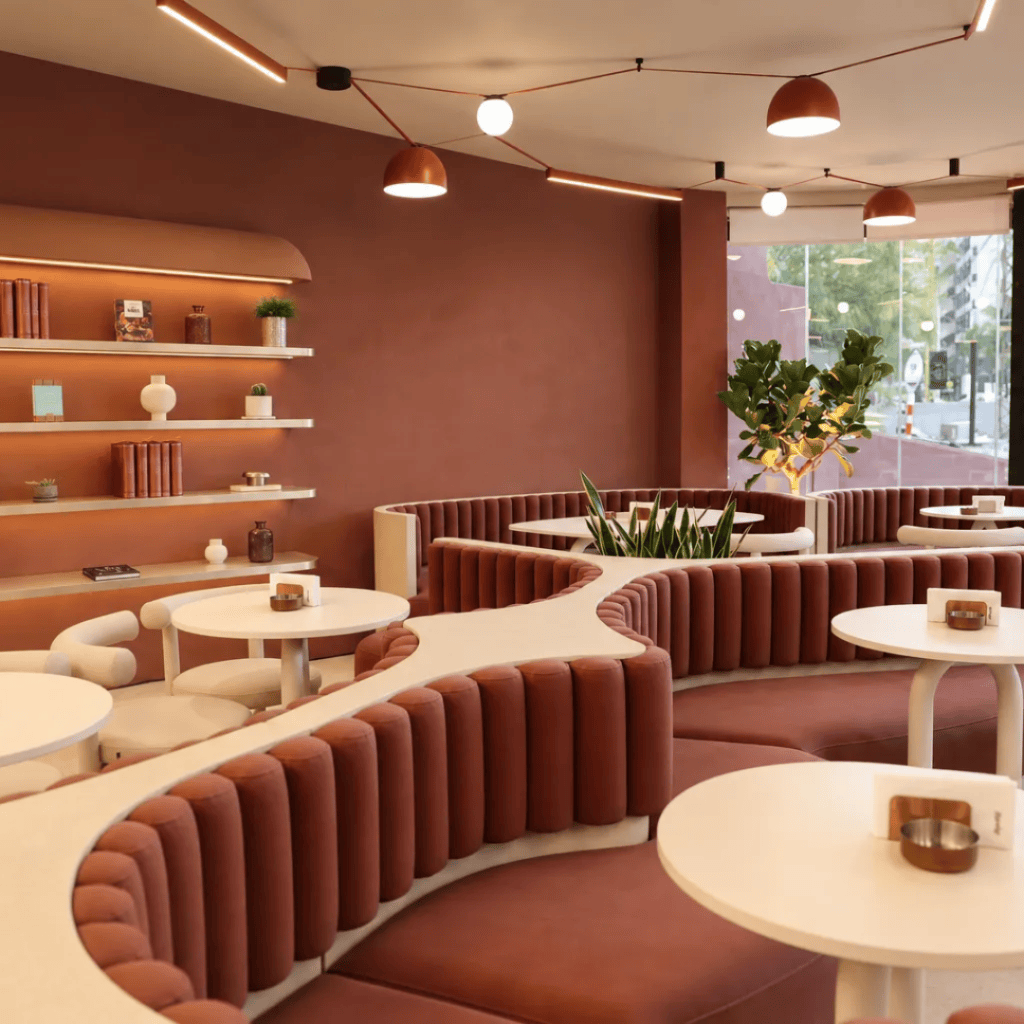
That helps explain why the repositioning is being accompanied by changes to the physical space as well as the food.
The newer Kaslik concept, for example, was developed as a more contemporary two-floor environment rather than simply placing additional savory dishes on the existing menu.
That signals something bigger. dipndip is not only asking customers to order differently.
It is asking them to think differently about what the brand can be.
Can dipndip Become More Without Becoming Less?
That is the real question behind the repositioning.
Growth often requires brands to expand, but strong brands are strong precisely because customers understand them quickly.
The opportunity for dipndip is clear. Breakfast, lunch, dinner, coffee, savory dishes, and delivery can bring new customers, increase visit frequency, and reduce dependence on dessert occasions.
The risk is equally clear.
If the brand becomes too broad, it could lose the distinctiveness that made it successful in the first place.
The strongest version of this strategy is therefore not a transformation from dessert café to ordinary restaurant. It is an evolution from dessert destination to all-day dining brand, with chocolate still at the center of the identity.
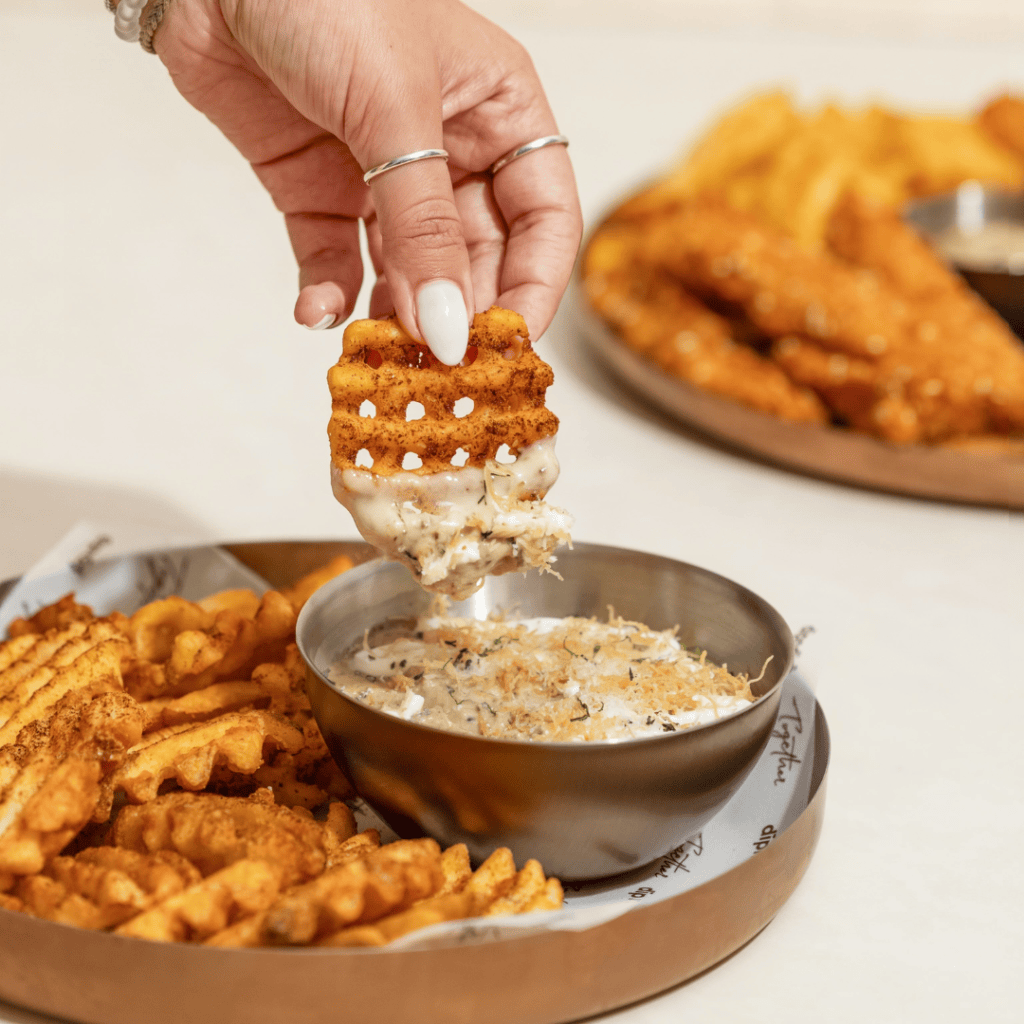
dipndip built its reputation by giving people one very clear reason to visit: chocolate.
Its next challenge is to prove that a brand can give customers more reasons to walk through the door without weakening the reason they fell in love with it in the first place.
Swanky Tip 🍫
The smartest brand expansion keeps the original identity visible. Adding new reasons to visit works best when customers can still immediately recognize what made the brand special in the first place.

