Everyone comes to the bar to escape their bad day. But what if the bartender is having one too?
Walk into a busy bar on a Friday night and everything seems designed around enjoyment.
Music is playing. Glasses are clinking. Friends are laughing. Someone is celebrating a birthday. Another guest is ordering a second round. Behind the bar, bartenders move quickly between bottles, shakers, glasses and conversations.
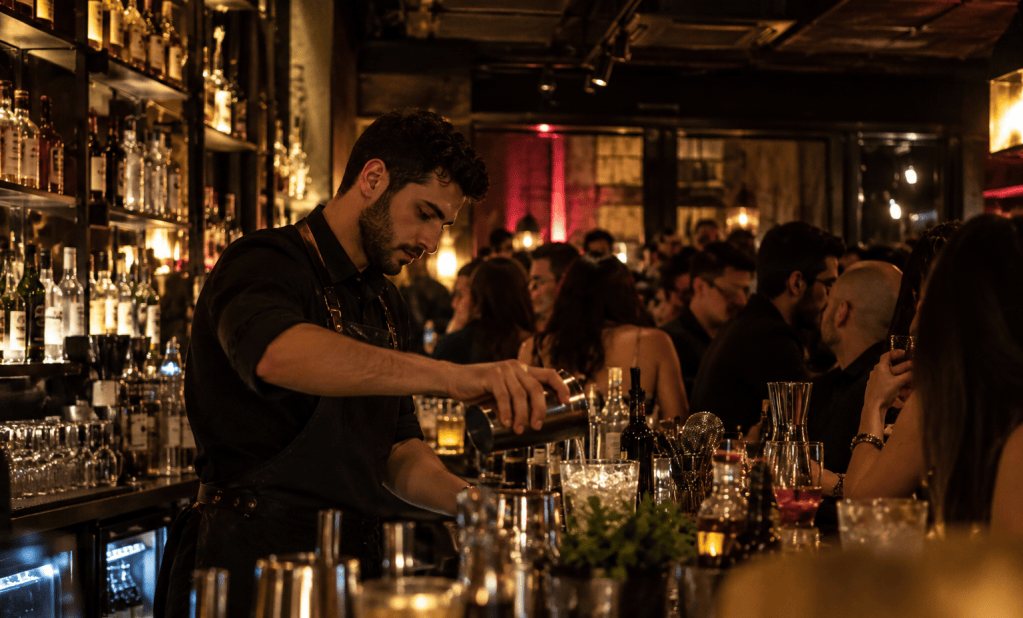
From the customer’s side, the bartender often looks like part of the atmosphere itself: smiling, joking, recommending drinks and keeping the energy alive.
But bartenders are not part of the furniture.
They have bad days too.
They can arrive at work exhausted, worried, heartbroken, frustrated or simply not feeling like themselves. The difference is that, unlike many professions, their job often requires them to step into a room full of people who expect a good time.
And then the shift begins.
The Bartender Is Part of the Experience
A bartender’s job has never been only about pouring drinks.
Of course, technique matters. Measuring correctly, balancing flavours, understanding spirits, preparing ingredients and serving drinks consistently are all part of the craft.
But hospitality adds another layer.
Guests notice how they are welcomed. They remember the conversation. They notice whether the bartender seems interested, impatient, relaxed or distracted.
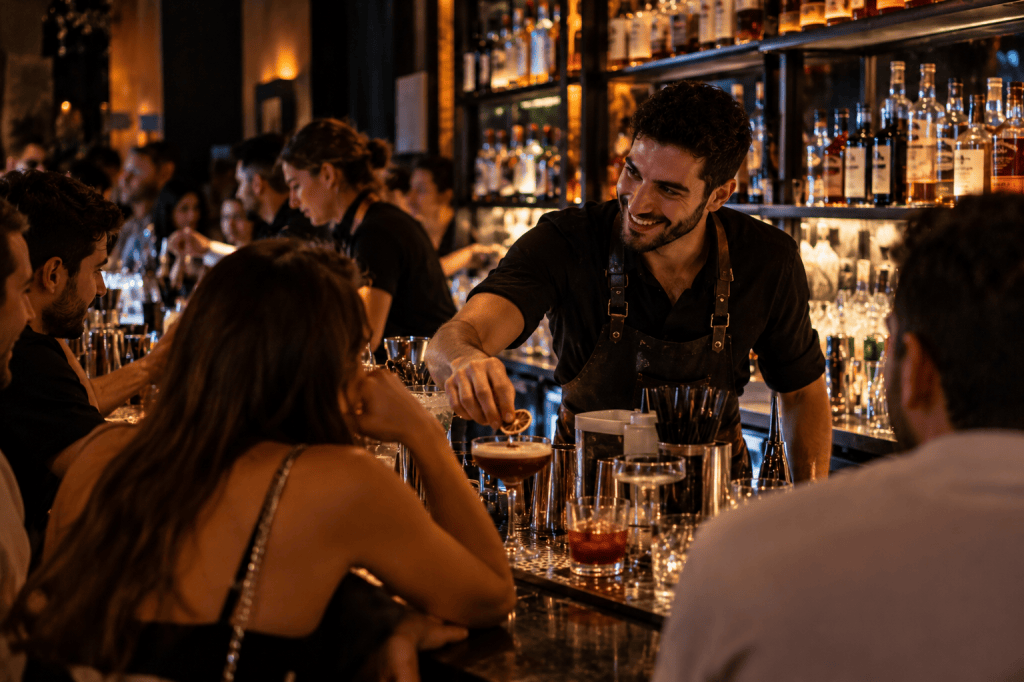
In many bars, the bartender becomes part of the entertainment.
The person behind the bar might recommend your next cocktail, remember what you ordered last time, listen to a story about your week or simply create the atmosphere that makes you want to stay for another drink.
That emotional element of hospitality can be rewarding.
It can also be demanding.
The Pressure to Be “On”
Most people can probably remember going to work on a day when they wanted to speak to absolutely nobody.
For bartenders, that option rarely exists.
A busy shift can mean interacting with dozens — sometimes hundreds — of people.
Every guest arrives with a different personality and expectation.
One wants recommendations.
Another wants to talk.
Someone wants their drink immediately.
Someone else sends a cocktail back.
Another guest may have had too much to drink.
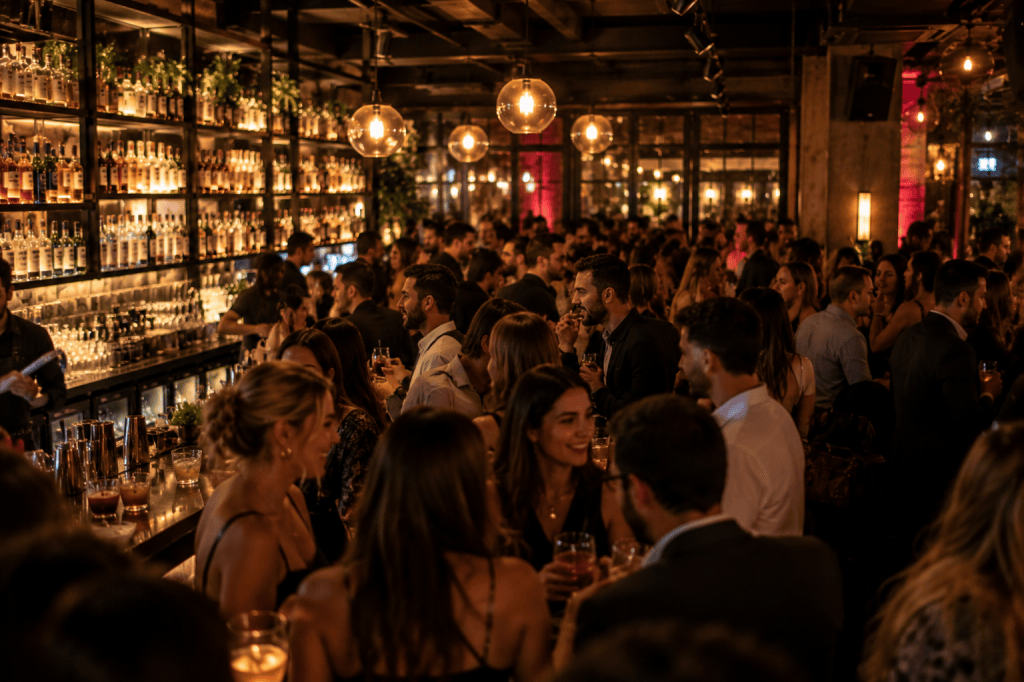
Meanwhile, tickets continue arriving, glasses need cleaning and several people are trying to get the bartender’s attention at the same time.
Even on a great day, managing that environment takes energy.
On a bad day, it requires something else: emotional discipline.
The Bar Does Not Stop Because You Had a Difficult Day
Personal problems do not disappear when a bartender starts a shift. A bartender may have argued with someone before work. They may be worried about money. They may be dealing with a breakup. They may have barely slept. They may simply be physically exhausted after several late shifts in a row.
Then the doors open.
The music gets louder.
The room fills.
And suddenly someone sitting at the bar says:
“Surprise me. Make me something good.”

The bartender still has to perform their job.
There is something unusual about hospitality in that way.
You may be experiencing one of the most difficult weeks of your year while serving someone who is celebrating one of the happiest nights of theirs.
Both realities exist at the same time.
There Is Also the Physical Side
A bartender’s bad day is not always emotional. Sometimes it is physical.
Bartending often means spending hours standing, carrying boxes, lifting ice, reaching for bottles, shaking cocktails repeatedly and moving constantly through a crowded workspace.
Add loud music, late nights and a busy service, and fatigue becomes part of the profession.
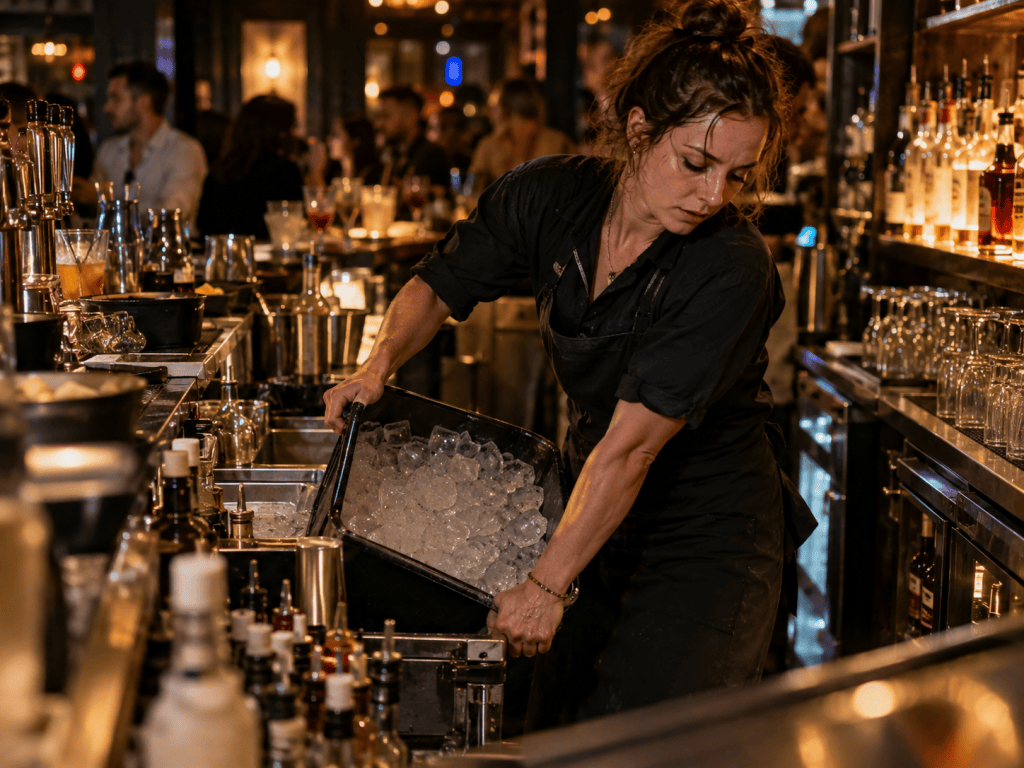
By 1 a.m., the bartender who greeted the first guest several hours earlier may have already made hundreds of movements behind the bar.
And the night may still be far from finished.
That is one reason experienced bartenders often develop routines that help them survive demanding shifts
How Bartenders Handle Bad Days
There is no universal formula. Every bartender develops their own way of managing difficult shifts. For some, preparation becomes a form of control. Before service begins, the station is organised. Bottles are positioned correctly. Garnishes are ready. Ice wells are filled. Everything has its place.
When the environment becomes chaotic, that preparation reduces unnecessary stress.
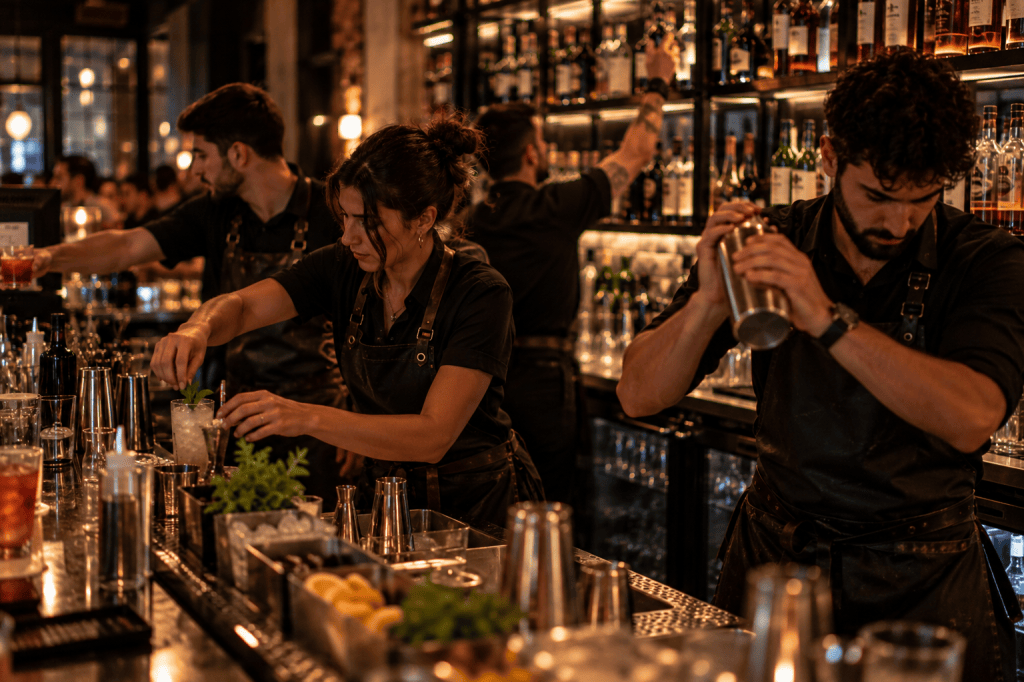
Others rely heavily on their team.
Good bar teams develop an almost silent communication. A colleague notices when another bartender is overwhelmed. Someone covers a section for a few minutes. Another bartender handles the difficult guest. Someone replaces the ice without being asked.
Sometimes the support is even simpler.
A quick:
“You good?”
Or:
“I got this one.”
“Behind a strong bar, teamwork is often what keeps individual bartenders moving.“
Professional Does Not Mean Pretending
There is also an important distinction between hospitality and performance.
Being professional does not mean a bartender must smile every second of the night.
It does not mean pretending everything is perfect.
And it certainly does not mean accepting disrespect from customers.
Good hospitality can be much simpler.
Be attentive.
Be respectful.
Make the drink properly.
Communicate clearly.
Treat people well.
A bartender can be quiet and still provide excellent service.
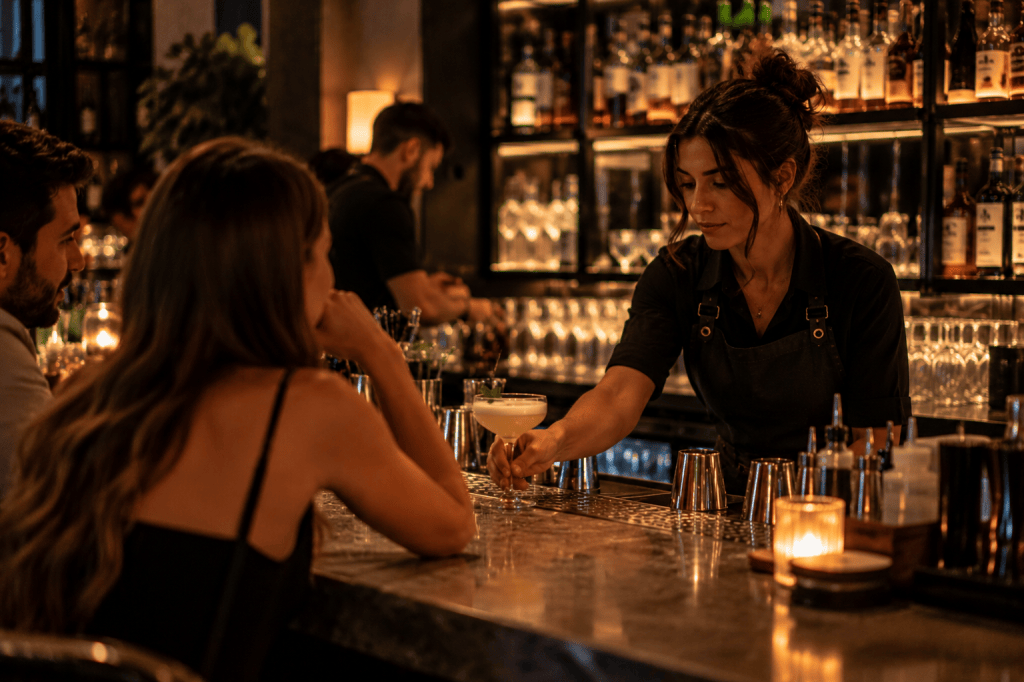
The idea that hospitality workers must constantly perform happiness can create unrealistic expectations.
Professionalism is not the absence of emotion.
It is the ability to manage emotion without allowing it to negatively affect the people around you.
Sometimes the Bar Helps
There is another side to the story.
A shift that begins badly does not always stay that way.
For some bartenders, work can become a temporary reset. The rhythm of service takes over. Tickets arrive. Music plays. Hands start moving automatically. A regular customer walks in. A colleague makes a joke. Someone tastes a cocktail and immediately smiles. And slowly, the mood changes.
There is something powerful about being busy with a craft you understand well.
The bad day may still exist. But for a few hours, it becomes background noise.
Guests Have More Influence Than They Realise
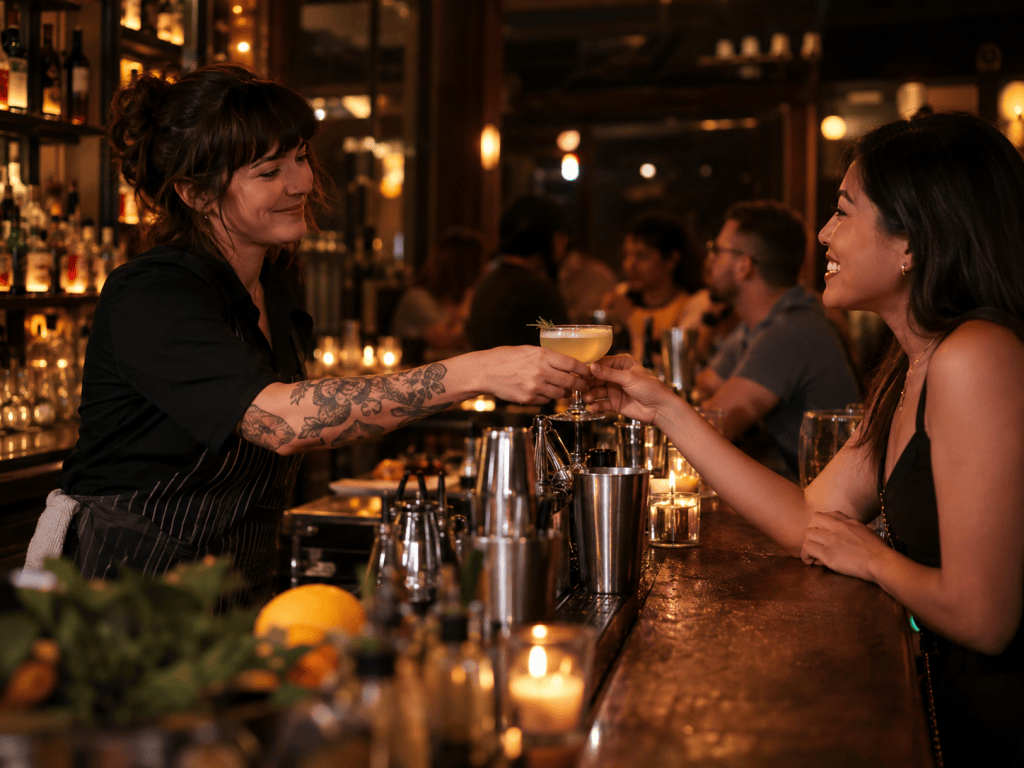
Hospitality works in both directions.
Customers often remember how a bartender treated them.
Bartenders also remember customers.
They remember the guest who spoke respectfully during an extremely busy night.
The person who said thank you.
The regular who noticed the bar was overwhelmed and patiently waited.
The customer who complimented a drink.
Small interactions matter more than people might imagine.
Sometimes one good guest can change the energy of an entire shift.
The Person Behind the Cocktail
Behind every perfectly served Negroni, Espresso Martini, Old Fashioned or simple glass of beer is a person.
That person may love their job.
They may take enormous pride in their craft.
They may enjoy meeting people from every background imaginable.
And yes, sometimes they may be having a terrible day.
The impressive part of hospitality is not that bartenders never struggle.
It is that many of them learn how to create a good experience for others even when their own day has not been particularly good.
So the next time you sit at a bar, remember something simple: The person making your drink has a life outside the bar too.
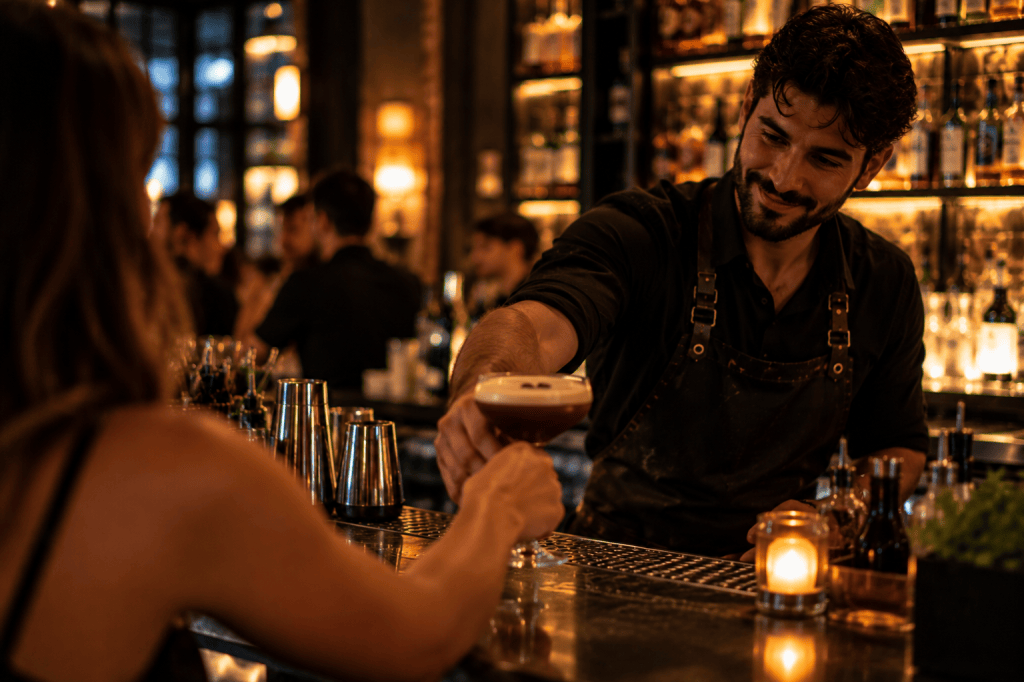
And sometimes a little patience, kindness or a simple “thank you” might mean more than you realise.
Because everyone has bad days — even the person serving yours.
Swanky Tip
Good hospitality goes both ways. A little patience, respect, and a genuine “thank you” can change a bartender’s night, and a bartender’s attention, warmth, and professionalism can completely change a guest’s experience.

