No tables. No complicated menu. Just a warm cup, the sea, and a Beirut ritual that has lasted for decades.
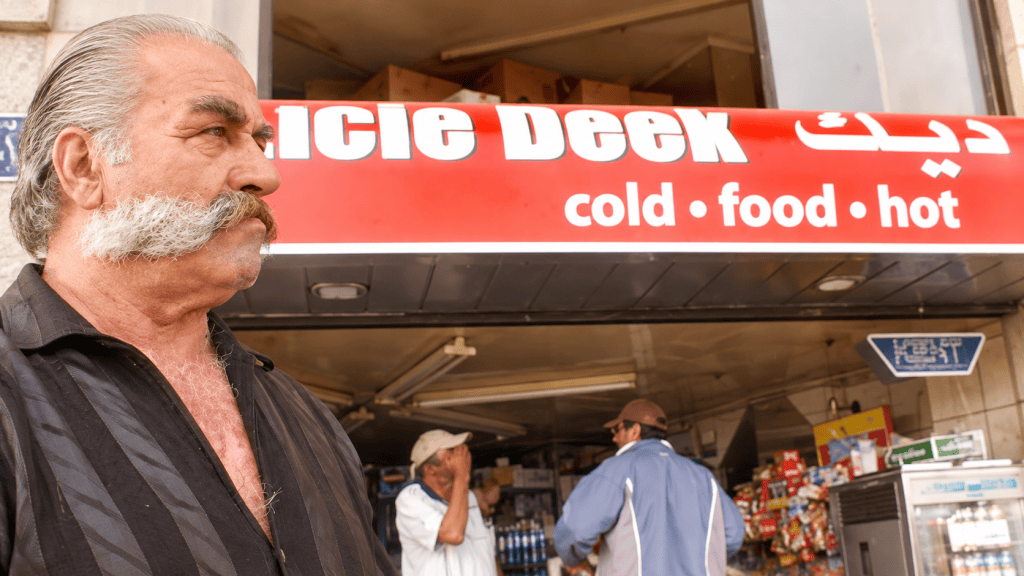
Some cafés are remembered for what happens inside them — the design, the music, the latte art, the carefully chosen beans.
Uncle Deek is remembered for almost the opposite.
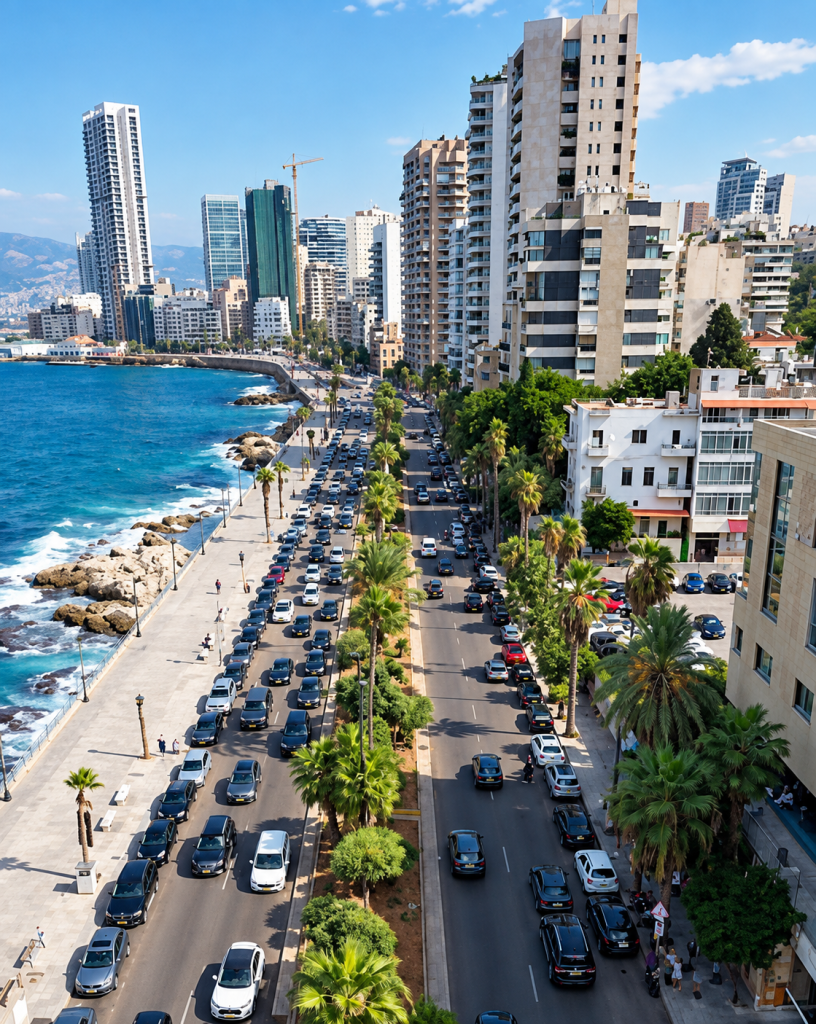
Its story has always unfolded outside: on the pavement, beside parked cars, around the small port of Ain el-Mreisseh and along Beirut’s Corniche.
The routine is simple. You pull over. Someone recognizes you. A cup crosses the pavement. A few minutes later, you are standing by the Mediterranean with coffee in your hand.
That simplicity is exactly what made the place significant.
For many Beirut residents, Uncle Deek became more than somewhere to buy coffee. It became part of the rhythm of the Corniche, a meeting point after midnight, a stop before an early-morning walk, and a familiar reference point in a city that is constantly changing.
In a way, the café’s real setting was never inside its walls. It was Beirut’s waterfront.
And behind that everyday ritual is a story that began more than four decades ago.
Before Uncle Deek Was a Café
The story of Uncle Deek begins with a family business in Ain el-Mreisseh.
The Deek family had been operating a restaurant in the area since 1982. Then, in 1993, Kamal Deek transformed the business into a café — but not in the conventional sense.
There was no focus on creating a large sit-down space. Instead, the concept was built around speed, simplicity, and movement.
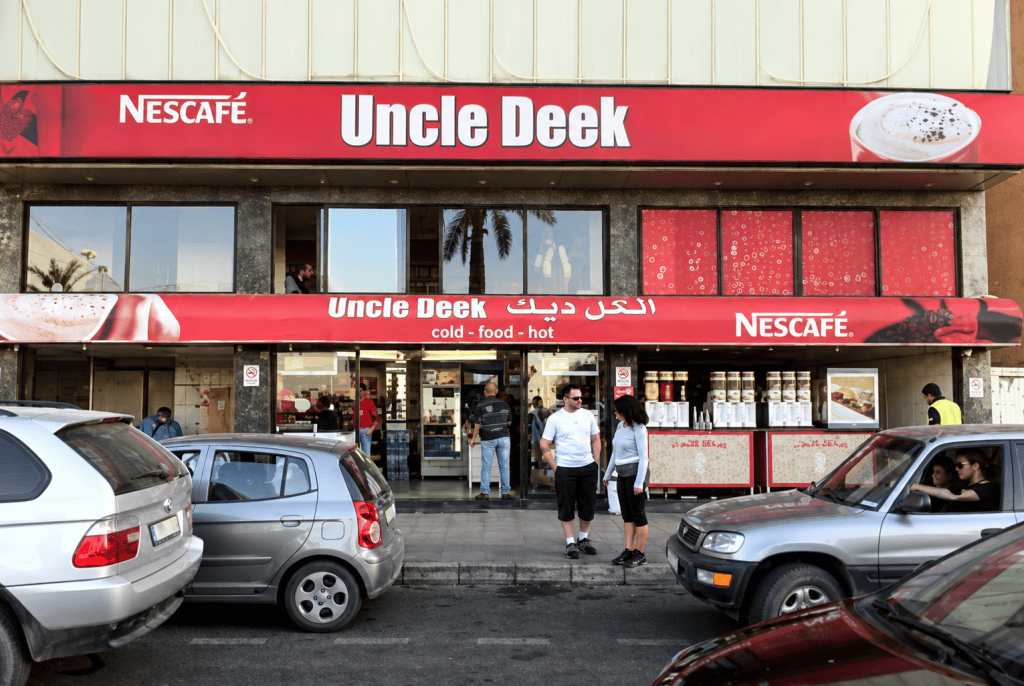
Takeaway service became central to the experience, and the café operated 24 hours a day. Inside, the setup remained compact and practical: coffee machines, drinks, biscuits, chocolate, nuts, and other simple items for people passing through or spending time along the Corniche.
What made the place distinctive was not what happened inside.
It was what happened around it.
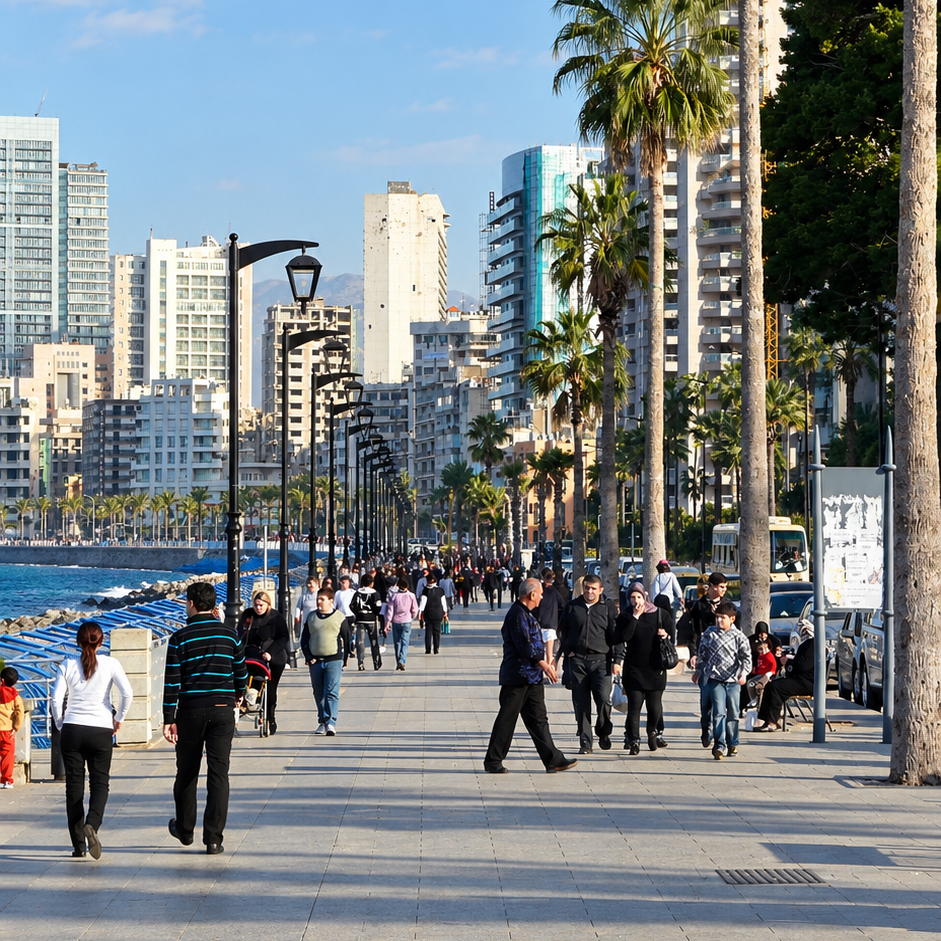
Customers stopped by, picked up a drink, and continued toward the sea. The Corniche effectively became an extension of the café; part walkway, part meeting place, part open-air lounge.
That relationship with its surroundings is one of the main reasons Uncle Deek became more than just another neighborhood coffee stop.
It fit naturally into the rhythm of Ain el-Mreisseh.
Why Is It Called “Uncle Deek”?
Even the name tells a story about Beirut at the time.
Before Uncle Deek became the name people knew, Kamal Deek had considered calling the place Station Deek, a reference to the nearby fuel station and the area’s old tram stop.
But there was another name already following him around.
His friends had begun calling him “the uncle.”
Rather than use the Arabic “عم الديك,” Deek preferred something that felt more distinctive and in tune with the English-language branding that was becoming increasingly common in Beirut.
So the name became:
Uncle Deek.
He later connected the idea to familiar names such as Uncle Sam and Uncle Ben’s — recognizable, personal, and easy to remember.
What might have started as a simple naming choice ended up becoming part of the café’s identity.
Because “Uncle Deek” doesn’t sound like a company.
It sounds like a person. Someone familiar. Someone local.
Someone people feel they already know.
And that sense of familiarity would become one of the things that made the café feel so deeply rooted in the neighborhood.
A Café Designed for the Street
What makes Uncle Deek especially interesting is what it chose not to become.
Beirut has always had cafés where people sit for hours. Later came specialty coffee shops built around carefully designed interiors, brewing equipment, origin stories and increasingly sophisticated menus.
Uncle Deek followed a completely different logic. The drink was meant to travel.
People could walk up, stop their cars, place an order and continue on their way. Staff became used to serving customers quickly, sometimes directly to vehicles outside.
It resembles a drive-through, but without the architecture of one.
The street became the service lane.
The Corniche became the lounge.
The sea provided the atmosphere.
That is part of what makes the experience feel so specifically Beirut.
More Than Nescafé
Uncle Deek has long been associated with Nescafé, but the drink itself is only part of the story.
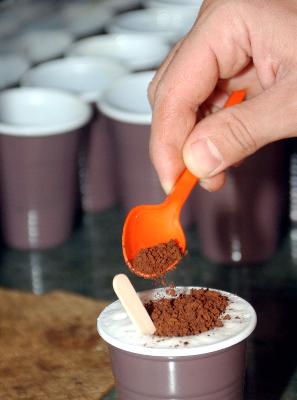
The menu was intentionally simple: Nescafé, cappuccino, cocoa, herbal drinks, and a selection of straightforward snacks.
There was no complicated ordering process, no long list of customizations, and no pressure to turn a quick coffee into an elaborate experience.
That simplicity feels almost unusual today.
Modern café culture often revolves around origins, roast profiles, milk alternatives, syrups, brewing methods, and endless personalization.
Uncle Deek came from a different kind of hospitality culture.
Its strength was not in customization.
It was in familiarity.
Regular customers became so well known that staff could sometimes begin preparing their usual orders the moment they saw them approaching.
That says more about the place than any tasting note ever could.
Knowing someone’s order is one thing.
Knowing the person behind the order is something else.
When Night Beirut Meets Morning Beirut
Uncle Deek has always belonged to more than one version of the city. At night, young people would arrive after evenings in Hamra, pick up their drinks, and continue toward the Corniche.
Some stayed until sunrise. Others stood by the railing talking about politics, relationships, work, or whatever was keeping them awake.
Then, almost without warning, the city changed shifts.
As the nightlife faded, fishermen, walkers, and early-morning regulars began to appear.
By around 6 a.m., groups of familiar faces would gather near the small port — doctors, lawyers, engineers, fishermen, and others beginning their day. They would collect their coffee, sit by the water, talk for a while, and then walk the Corniche before heading to work.
That is where Uncle Deek becomes more interesting than a simple coffee stop.
The same few square metres witnessed completely different Beiruts:
the Beirut of late nights,
the Beirut of early mornings,
the Beirut of fishermen,
and the Beirut of professionals starting another day.
The café did not create those communities.
It gave them a place to cross paths.
A Landmark Made by Habit
We usually think of landmarks as monuments, historic buildings, or major pieces of architecture.
But cities also have quieter landmarks; places that become important not because they were designed to stand out, but because people keep returning to them.
That is what happened with Uncle Deek.
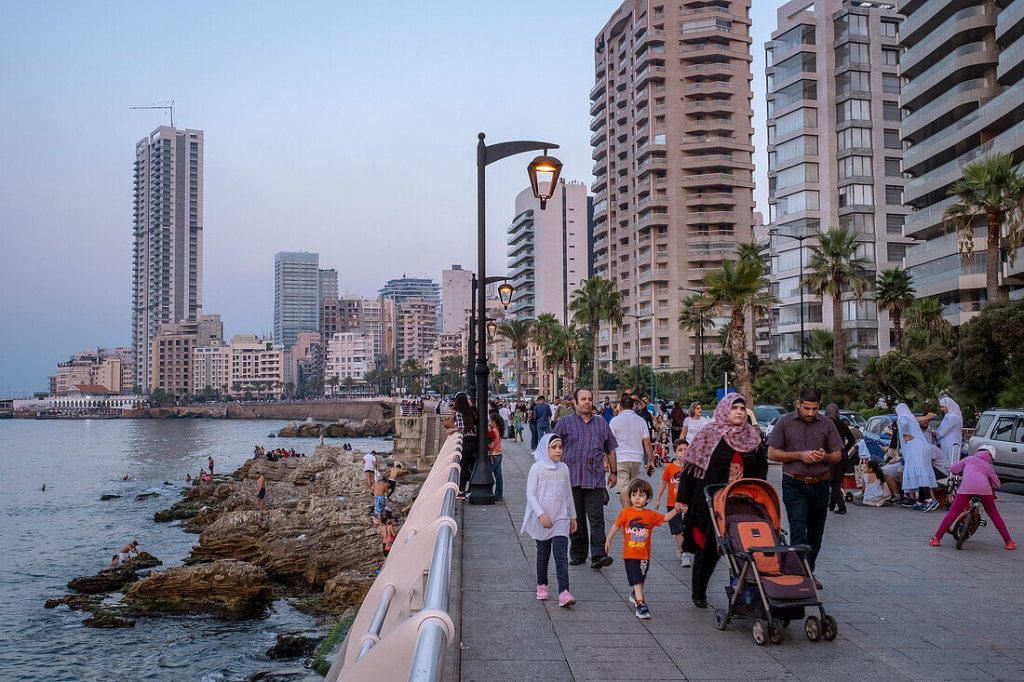
Over time, stopping there for a drink became part of the routine of the Corniche. People met there, passed by it, used it as a reference point, and folded it into their own memories of Ain el-Mreisseh.
And that is how an ordinary place becomes part of a neighborhood’s identity.
Not through scale. Not through luxury.
Through repetition, familiarity, and time.
No one needed to declare Uncle Deek important.
People made it important simply by continuing to come back.
The Corniche Is Half the Story
Uncle Deek’s identity is inseparable from Ain el-Mreisseh.
The small port, the railing, the sea, the walkers, the parked cars, and the constant movement along the waterfront are not just background details.
They are part of the experience.
A drink from Uncle Deek was never only about what was in the cup. It was also about where you took it next — toward the water, onto the promenade, or beside the people already gathered along the Corniche.
Remove that setting, and something essential disappears.
Because at Uncle Deek, the ritual has always been made of two things: the drink, and the place where you drink it.
The Value of Staying Simple
One of the most interesting things about Uncle Deek is how deliberately simple it remained.
Rather than constantly reinventing the café, Kamal Deek preferred to preserve the character that people had already grown attached to.
That meant keeping the experience straightforward: familiar drinks, direct service, the same corner, and the same connection to the sea.
In hospitality, there is often pressure to expand, redesign, rebrand, or turn every visit into something new.
Uncle Deek took the opposite approach.
Its strength came from continuity.
The place did not need to become bigger or more polished to stay relevant. It needed to remain recognizable.
And sometimes, that is exactly what gives a place its value.
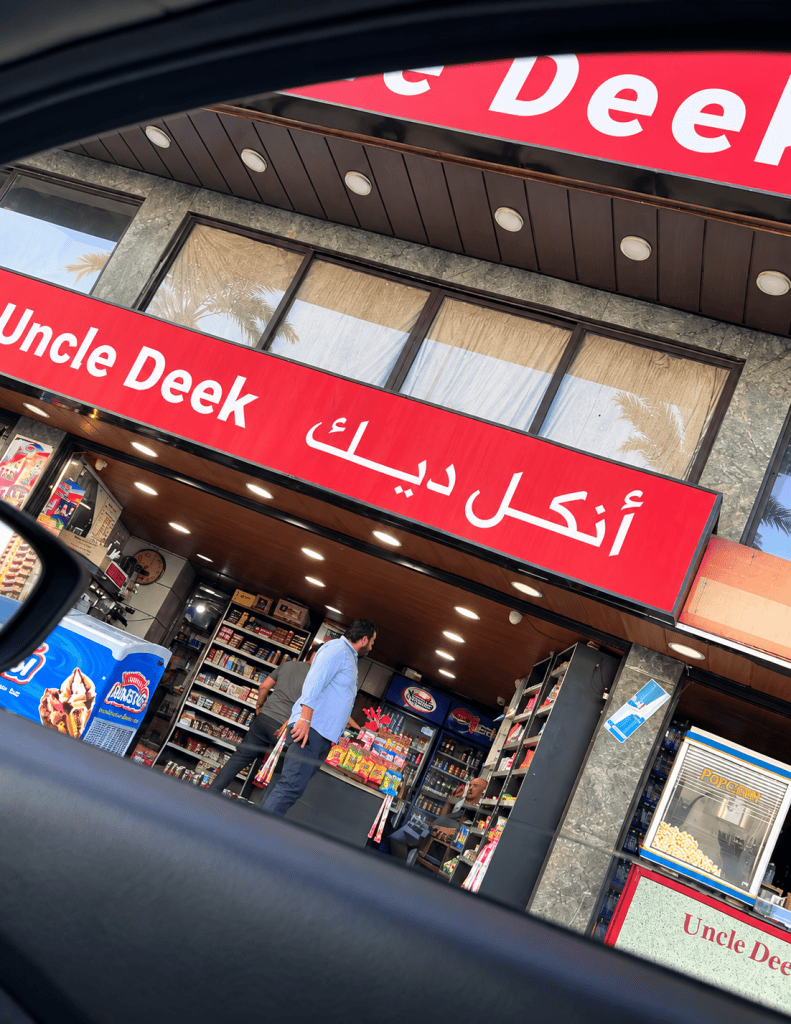
Not every beloved place grows by changing. Some grow by staying familiar while the city changes around them.
Beirut in a Cup
It would be easy to romanticize Uncle Deek. But the more interesting interpretation is simpler. This is a place where product, location and habit came together unusually well.
The drinks were easy to carry. The café sat beside one of Beirut’s most important public spaces. The service matched the way people actually used that space. And repetition slowly transformed convenience into ritual.
That is why the most interesting question is not:
“Does Uncle Deek make the best coffee in Beirut?”
That misses the point. Its importance lives elsewhere.
In the cup you carry toward the sea.
In the employee who already knows your order.
In the friend who says, “Meet me at Uncle Deek.”
In the car that stops for two minutes before moving on.
In the night that quietly turns into morning.
Those details rarely appear on a menu. But they are exactly how cities build memory.

More Than a Coffee Stop
Uncle Deek’s story is not one of spectacular reinvention. It is one of persistence.
For SwankySip, that is what makes the place worth documenting. Because drink culture is not only about what is inside the cup. It is also about where we drink, who we drink with, and which places quietly become part of our lives because we keep returning to them.
At Uncle Deek, the coffee may be takeaway. The memory rarely is.
Swanky Tip
Some cafés build a world inside four walls. Uncle Deek found its world outside them — between the road, the small port and the Mediterranean.

