
From centuries-old Japanese tea culture to the iced latte in your favorite café, here’s why matcha became one of the world’s most recognizable drinks.
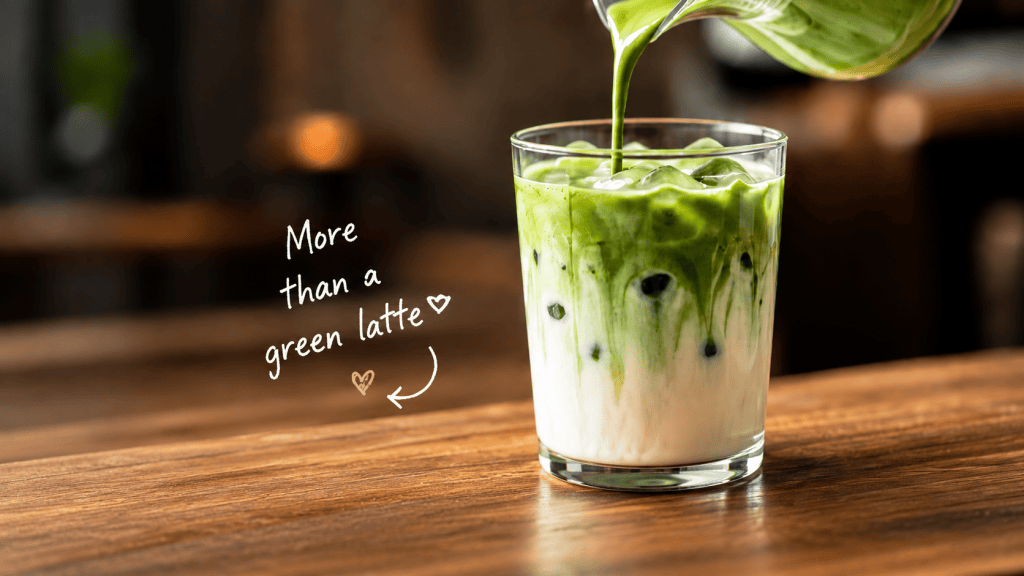
Bright green. Slightly earthy. Sometimes creamy, sometimes bitter, sometimes sweet. And lately? Everywhere.
Matcha has gone from something many people outside Japan barely knew to a drink found on café menus, Instagram feeds, and kitchen counters around the world. But behind the aesthetic green latte is a drink with a much deeper story.
🌿So what exactly is matcha — and why is it different from ordinary green tea?
What Is Matcha?
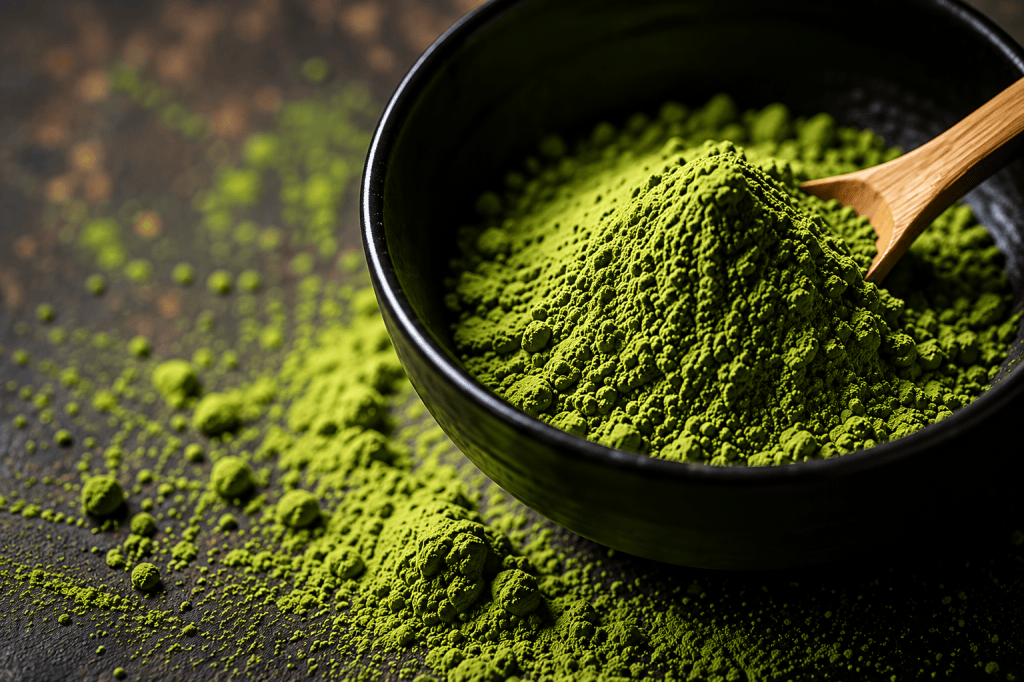
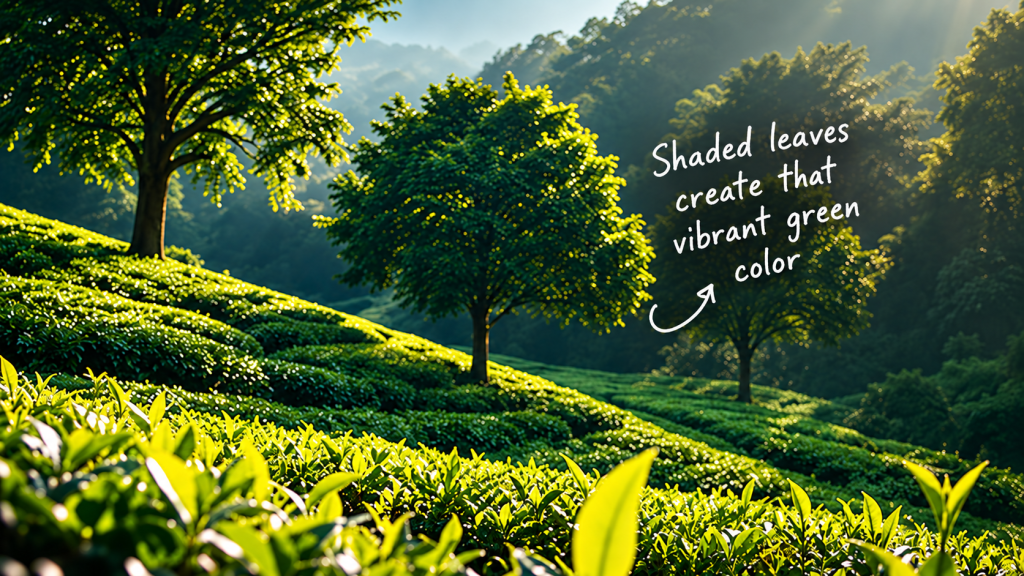
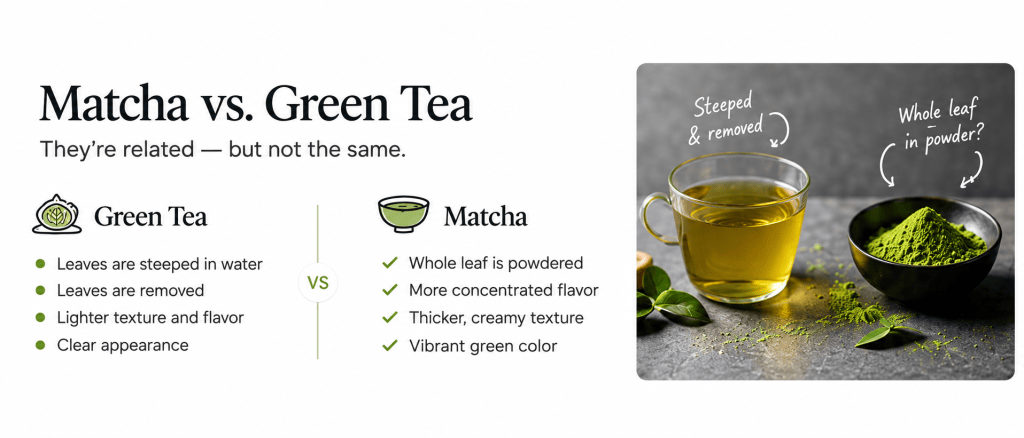
Matcha is a type of powdered Japanese green tea. The tea plants are shaded for several weeks before harvest, which helps create its deep-green color and distinctive flavor. The leaves are then processed, dried, and stone-ground into a fine powder.
Unlike regular tea, you’re actually consuming the whole leaf, not just water infused with it.
Why Is Matcha So Green?
The shading process increases chlorophyll in the leaves, giving matcha its vibrant, almost electric green appearance. A bright green color usually indicates fresher, higher-quality matcha.
What Does Matcha Actually Taste Like?
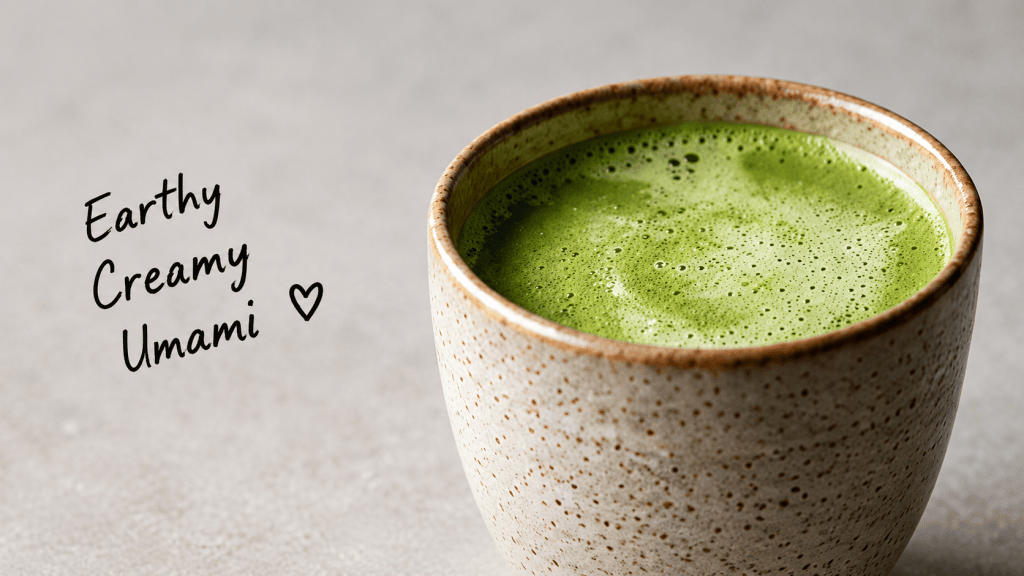
Matcha can be earthy, vegetal, slightly bitter, creamy, and sometimes naturally sweet.
It also has a distinct umami character — a savory, rounded flavor also found in foods like mushrooms and seaweed.
And Yes, Matcha Contains Caffeine
Matcha sometimes gets marketed like a caffeine-free wellness drink.
It isn’t.
Matcha naturally contains caffeine because it comes from the tea plant. The exact amount varies depending on the tea, quantity used and preparation, but matcha can provide a noticeable caffeine boost.
It also naturally contains L-theanine, an amino acid found in tea.
This combination is one reason some matcha drinkers describe the experience differently from drinking coffee. But that doesn’t mean everybody will react to it the same way — caffeine is still caffeine.
If a double espresso keeps you staring at the ceiling at 2 AM, don’t assume three evening matchas are going to negotiate with your nervous system.
So Where Did Matcha Come From?
Matcha is strongly associated with Japan, where powdered tea became deeply connected with Zen Buddhism and the development of Japanese tea culture.
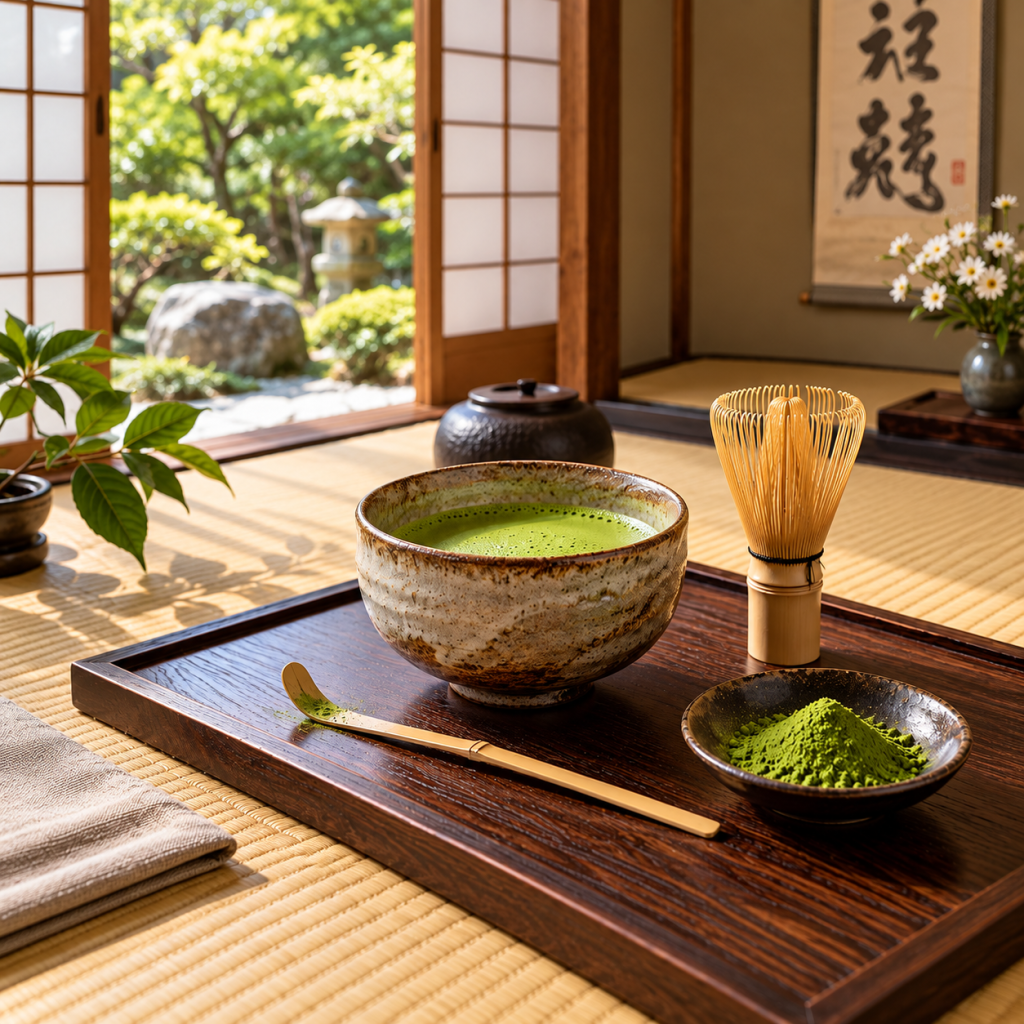
Over centuries, matcha became central to chanoyu, often translated as the Japanese tea ceremony. Traditional preparation is very different from ordering an iced vanilla matcha latte at a modern café.
Matcha powder is placed into a bowl, hot water is added, and the tea is whisked, traditionally using a bamboo whisk called a chasen — until smooth and lightly foamy.
The process emphasizes much more than simply drinking tea.
Attention, preparation, hospitality and the moment itself all matter.
Which makes today’s global matcha boom rather fascinating.
A centuries-old tea tradition has somehow found its way into takeaway cups.
How Did Matcha Become So Popular?
There isn’t one single reason.
Matcha sits at the intersection of several modern trends.
It looks incredible.
That intense green color immediately stands out in a café or on social media.
Let’s admit it: an iced matcha being poured over milk is extremely satisfying to watch.
It offers something different from coffee.
Coffee dominates café culture, so matcha gives customers another caffeinated option with a completely different flavor.
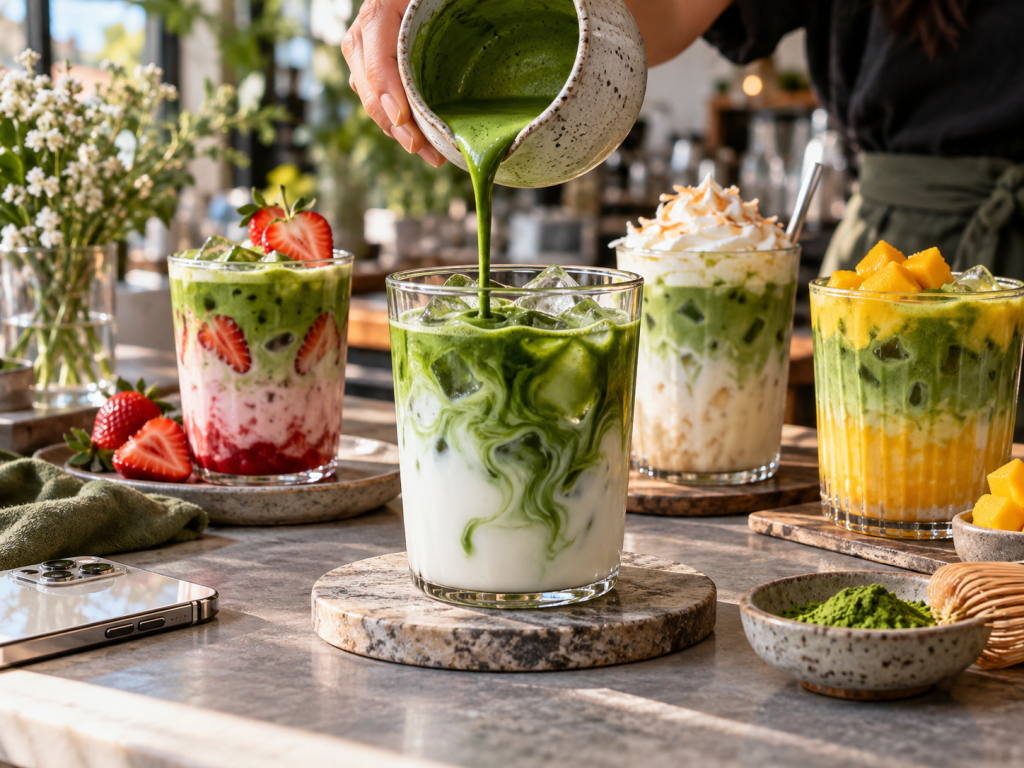
It works incredibly well with customization.
Strawberry matcha.
Vanilla matcha.
Coconut matcha.
Mango matcha.
Matcha with cold foam.
Once cafés realized how adaptable the drink could be, things got creative very quickly.
And then social media arrived.
The combination of layered drinks, beautiful green color and dramatic pouring shots made matcha perfect for TikTok and Instagram.
The traditional tea had suddenly become very modern.

Ceremonial Grade? Premium Grade? What Do These Labels Mean?
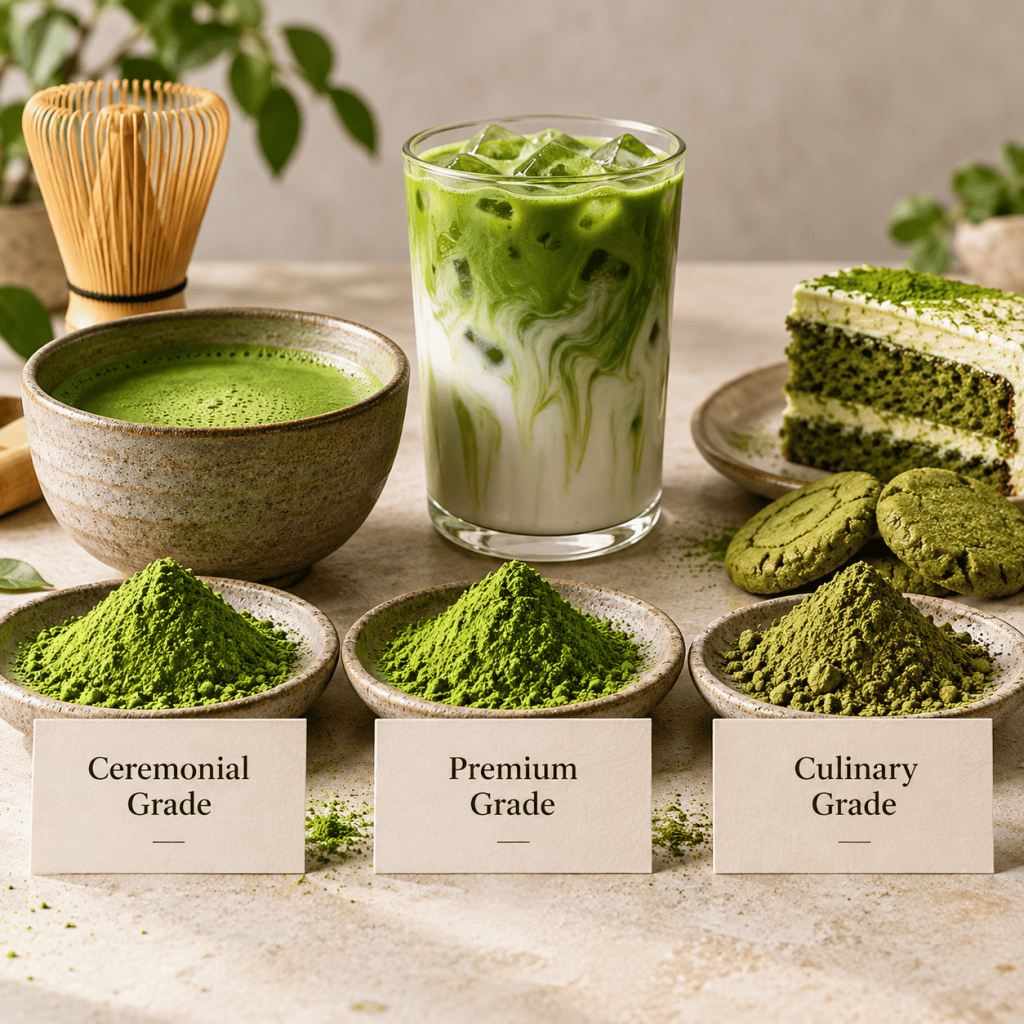
This part can get confusing. You’ll often see matcha marketed as:
Ceremonial Grade
Premium Grade
Culinary Grade
But these terms aren’t always applied according to one universal international grading system. Generally, brands use them to help customers understand how they intend the matcha to be used.
Higher-quality matcha is often recommended for drinking simply with water, where there is nowhere for poor flavor to hide.
More robust matcha may work well in:
lattes, desserts, baking and other recipes.
So rather than buying purely because the package says “ceremonial,” pay attention to origin, freshness, color, flavor and the reputation of the producer.
Why Does Café Matcha Sometimes Taste Completely Different?
Because matcha itself is only one part of the drink.
A café Matcha Latte might contain:
matcha
milk
water
simple syrup
vanilla
flavored syrups
fruit purée
cold foam
Change any of those and the drink changes dramatically. And cafés also use different amounts and qualities of matcha.
That’s why you can love a Matcha Latte from one café and dislike it completely somewhere else.
It’s a little like saying:
“I don’t like coffee.”
Which coffee?
Espresso? Cold brew? Instant? Arabic coffee? A caramel latte?
Preparation matters.
How to Make a Simple Iced Matcha Latte at Home!
You don’t need a complicated setup.
You’ll need:
- 2 g matcha powder
- 50–60 ml warm water
- 150–200 ml milk of your choice
- Ice
- Sweetener, optional
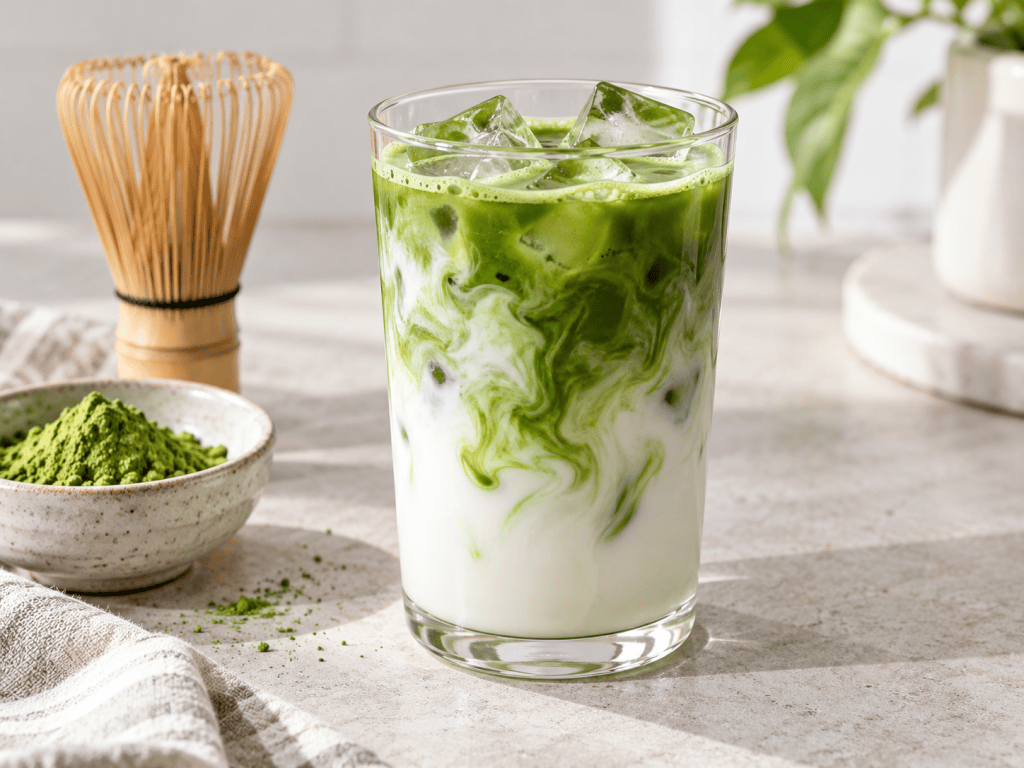
How to make it
Sift the matcha into a small bowl or cup.
Add warm water — avoid aggressively boiling water, which can make the tea taste harsher.
Whisk until smooth and lightly foamy.
Fill a glass with ice and milk.
Pour the matcha over the top.
And yes, this is the moment when you take the video.
Then stir and drink.
Swanky Tip
Don’t skip the sifting.
Matcha loves making tiny green lumps at exactly the moment you’re trying to make your drink look beautiful.
Sifting the powder before whisking makes getting a smooth drink much easier.
And if you’re buying matcha for home, keep the container sealed, cool and away from light.
Freshness matters.

